






Two Types of Coal, Two Different Jobs
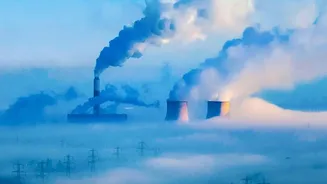
At the heart of the debate is the fundamental difference between two kinds of coal: thermal coal and metallurgical coal. Thermal coal, also known as steam coal, is what most people think of when they hear the word 'coal'. Its primary purpose is to be burned
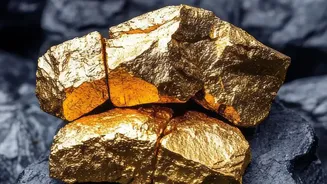
in power plants to create steam that drives turbines and generates electricity. This is the type of coal at the center of the global push toward renewable energy sources. Metallurgical coal, often called coking coal, has a different chemical makeup—it's higher in carbon and has less moisture and ash. Its job isn't to power our homes, but to serve as a critical ingredient in the production of steel.
The Steelmaking Imperative
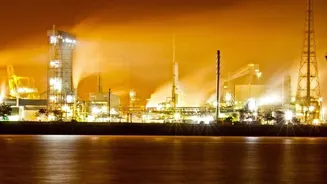
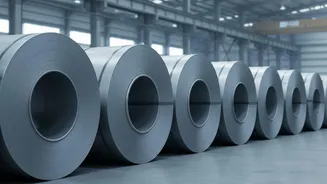
Approximately 70% of the world's steel is produced using a process that relies heavily on coking coal. First, the metallurgical coal is baked at extremely high temperatures (over 1,000°C) in an oxygen-free oven to create a purified, carbon-rich substance called coke. This coke is then fed into a blast furnace along with iron ore. The coke serves two purposes: it acts as a fuel to melt the ore and as a chemical reducing agent, stripping oxygen away from the iron ore to create molten iron, which is then refined into steel. From skyscrapers and bridges to cars and kitchen appliances, the building blocks of modern infrastructure depend on this process.
Why The Distinction Matters
Proponents of new metallurgical coal mines argue that they are not expanding coal for energy production, but rather supplying a necessary raw material for a vital industry. They contend that while the world is rightly phasing out thermal coal for electricity, the demand for high-quality steel remains strong, particularly in growing economies. Until a viable alternative for primary steelmaking is widely available, they argue, a steady supply of coking coal is essential. Without it, the steel industry would be crippled, impacting countless other sectors that rely on it. This is why metallurgical coal often commands a much higher price than thermal coal and is seen by some as a separate industrial commodity rather than just a fuel source.
The Unavoidable Climate Question
However, this distinction doesn't mean metallurgical coal gets a free pass on environmental impact. The process of making coke and using it in a blast furnace releases significant amounts of carbon dioxide (CO2). The steel industry is one of the largest industrial emitters of greenhouse gases, accounting for 7-9% of global emissions. Critics argue that opening any new coal mine, regardless of the coal's end use, locks in decades of future emissions and works against global climate targets. They point out that from a climate perspective, the carbon released from making steel is just as damaging as the carbon released from generating power.
The Hunt for Greener Steel
The long-term solution lies in decarbonizing the steel industry itself. Researchers and companies are actively developing 'green steel' technologies. The most promising method involves using green hydrogen, produced with renewable energy, to reduce iron ore instead of coke. This process creates 'direct reduced iron' (DRI) which can then be melted in an electric arc furnace, cutting emissions drastically. While several pilot projects are underway, the technology is not yet mature enough or cost-effective enough to replace the blast furnace at a global scale. The transition will require massive investment, innovation, and infrastructure changes over many years.