





Choosing Your Fragrant Champions
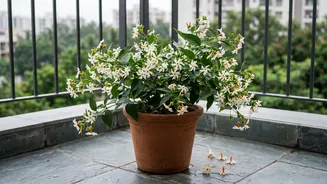
The foundation of a fragrant balcony is, of course, the right plants. For Indian homes, a few choices stand out for their powerful and evocative scents. The undisputed star of the evening is the Raat Ki Rani (Night-Blooming Jasmine), which releases its
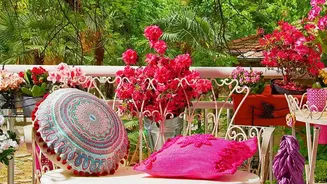
intoxicating perfume after dusk. For classic daytime fragrance, varieties of true jasmine like Mogra (Jasminum sambac) and Juhi are excellent choices for pots, offering beautiful white flowers with a sweet, pervasive scent that is deeply woven into Indian culture. Don't overlook the timeless appeal of roses. Many English rose varieties are bred for intense fragrance and can thrive in large containers, offering romantic colour and a classic floral perfume. Lastly, fragrant herbs not only add aroma but are also useful in the kitchen. Pots of mint, rosemary, and holy basil (tulsi) release their fresh, clean scents when their leaves are brushed against or warmed by the sun.
The Art of Scent Layering
A truly special balcony garden doesn't just have one scent; it has a symphony of them. This is the art of scent layering, a technique borrowed from perfumery that involves combining different types of fragrances that bloom and release their scents at different times. Think in terms of 'notes'. You can have a fresh, uplifting 'top note' from herbs like lemon balm or mint. The heart of your garden could be the floral 'middle notes' from roses or Mogra that define the space. Finally, a rich 'base note' can be provided by the deep, lingering scent of Raat Ki Rani in the evening. By combining plants that are fragrant during the day with those that bloom at night, you ensure your balcony is an aromatic experience around the clock. The goal is to create a delightful blend, not an overwhelming clash, so start with two or three complementary scents and build from there.
Sunlight: The Fragrance Activator
Fragrance isn't just about the flower; it's also about the conditions. Most fragrant flowering plants, including jasmine and roses, produce the most potent aroma when they receive ample sunlight. Sunlight provides the energy needed for the plant to produce the essential oils that create its signature scent. For many species, especially Raat Ki Rani, a minimum of four to six hours of direct sun is crucial for abundant flowering and fragrance. Place your sun-loving plants in the brightest part of your balcony. For herbs like rosemary and basil, the sun warms their leaves, causing them to release their aromatic oils into the air. Understanding your balcony's light pattern is the first step to ensuring your plants are not just surviving, but are actively perfuming your space.
The Right Foundation: Pots And Soil
A healthy plant is a fragrant plant, and health starts at the roots. Choosing the right pot is critical for balcony gardening. Ensure every container has drainage holes to prevent water from stagnating, which can lead to root rot. For shrubs like Raat Ki Rani or roses, a medium to large pot (at least 12-15 inches in diameter) is necessary to accommodate their root systems and provide stability. The soil you use is just as important. Most fragrant plants prefer a well-draining but fertile soil mix. A good combination is garden soil, compost for nutrients, and sand or cocopeat to improve drainage and aeration. This kind of mix holds enough moisture to keep the plant hydrated but allows excess water to escape, creating the perfect environment for strong roots and, consequently, fragrant blooms.
Care and Placement for Lasting Aroma
To maximise your enjoyment, think strategically about placement. Position the most fragrant pots near your seating area or by the door to your balcony, so every time you step out or a breeze blows through, you get a waft of perfume. Grouping plants can also create a more intense pocket of fragrance. Regular care will keep your plants producing flowers and scent. Water consistently, but only when the top inch or two of soil feels dry to the touch. During the growing season, feed your plants with a balanced organic fertiliser every few weeks to encourage new blooms. Finally, don't be afraid to prune. Regular trimming of spent flowers and overgrown branches not only keeps the plant looking tidy but also encourages it to produce fresh, new growth and more fragrant blossoms.