





A Tradition of Fruitful Diplomacy
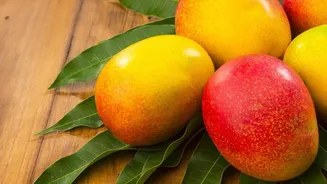
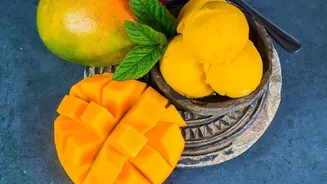
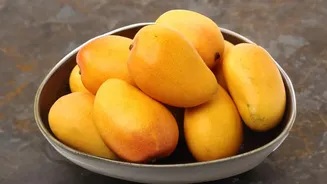
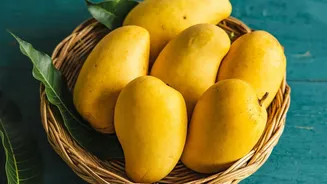
In India, the mango is more than just a fruit; it’s an emotion, a cultural icon steeped in poetry and history. Revered as the ‘king of fruits,’ it’s no surprise that it has been a go-to diplomatic gift for generations. The tradition of using mangoes to charm
foreign dignitaries dates back decades, with India’s first Prime Minister, Jawaharlal Nehru, reportedly using them to soften dispositions during tense negotiations in the 1950s. While these early gestures built goodwill, getting the fruit itself into the hands of average American consumers was another matter entirely. For much of the 20th century, sporadic shipments reached the US, mostly as curiosities for diplomats and food scientists. The logistical challenges of transporting a delicate, perishable fruit across the globe made any significant commercial trade impossible at the time.
The 18-Year Freeze
By the 1980s, advances in air freight made the dream of exporting Indian mangoes commercially seem possible. A small but promising market began to emerge, driven by the South Asian diaspora. But this window of opportunity slammed shut in 1989. The U.S. Department of Agriculture (USDA), fearing the introduction of invasive pests like the Oriental fruit fly, enacted a ban on fresh Indian mangoes. Officials worried these pests could devastate American crops, particularly in states like California and Florida. For the next 18 years, beloved varieties like the Alphonso and Kesar were barred from the United States, a significant point of contention in bilateral agricultural talks.
The 'Nuclear Mango' Breakthrough
The long-standing impasse was finally broken in a famously unusual setting. In March 2006, U.S. President George W. Bush was in New Delhi for high-stakes negotiations on the landmark U.S.-India Civil Nuclear Agreement. During the visit, he had a chance to taste an Alphonso mango and was reportedly blown away, calling it a “hell of a fruit.” This personal tasting experience helped catalyze a diplomatic deal. Soon after, what became known as the “nuclear mango deal” was struck. The agreement was a classic example of trade reciprocity: the U.S. would lift its 18-year ban on Indian mangoes, and in return, India would ease restrictions on the import of American products, most notably Harley-Davidson motorcycles.
Pest Control and Paperwork
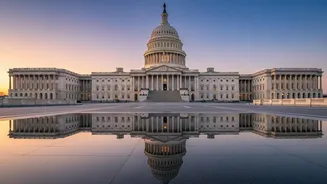
Lifting the ban wasn’t as simple as a presidential declaration. The core issue of pest control had to be solved. The solution came in the form of irradiation technology. India agreed to establish a USDA-approved facility to treat the fruit with a low dose of radiation, a process that neutralizes fruit fly larvae without affecting the taste or texture of the mango. With this phytosanitary protocol in place, the first legal commercial shipment of Indian mangoes in nearly two decades landed at JFK Airport in April 2007, an event celebrated at the Indian Embassy in Washington D.C. It was hailed as a major milestone, finally giving American consumers access to the authentic taste of Indian summers.
A Barometer of Modern Trade
Since 2007, the mango has remained a sensitive barometer of the U.S.-India trade relationship. Its presence in negotiations often signals the push-and-pull of reciprocity. For instance, in a 2025 summit, enhanced access for Indian mangoes was publicly mentioned alongside India’s decision to cut tariffs on American goods. Yet, the path is not always smooth. In May 2025, a stark reminder of the complexities of international trade emerged when 15 shipments of Indian mangoes, worth an estimated $500,000, were rejected and destroyed in the U.S. The issue wasn’t the fruit itself but administrative errors in the mandatory irradiation paperwork. This incident highlighted how even a celebrated symbol of partnership can fall victim to the strict, non-negotiable rules of global commerce.