


The Golden Age of Hype
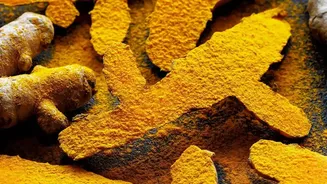
It’s hard to miss the turmeric trend. This vibrant yellow spice, a cornerstone of Indian cuisine for thousands of years, is now marketed as a cure-all for modern ailments. The wellness industry promotes it as a powerful anti-inflammatory agent, an antioxidant
powerhouse, a memory booster, and even a tool to fight serious diseases. This has led to a flood of products, from turmeric shots and teas to high-potency supplements promising concentrated doses of its supposed magical ingredient, curcumin. The narrative is compelling: an ancient, natural remedy holding the key to our health problems. But when we look past the marketing, the science tells a more complicated story.
The Problem with Proof
The active compound credited with turmeric's benefits is curcumin, which makes up only about 2-9% of the spice. In laboratory and animal studies, curcumin has indeed shown impressive anti-inflammatory and antioxidant properties. However, these promising results from preclinical studies often don't translate directly to humans. A major hurdle is something scientists call 'bioavailability'. In simple terms, our bodies are not very good at absorbing curcumin. When you eat turmeric, most of the curcumin is poorly absorbed, rapidly metabolised, and quickly eliminated. This means very little of the active compound actually reaches your bloodstream to do its supposed work. So, while a petri dish might show positive effects, achieving those same effects in the human body is far more challenging.
Supplements vs. Spice
To get around the bioavailability problem, supplements are packed with highly concentrated curcumin, often up to 95%, and sometimes include other agents like piperine (from black pepper) to boost absorption. While some studies using these high-dose supplements have shown modest benefits for conditions like osteoarthritis pain, the evidence for many other claims remains limited or inconclusive. Furthermore, taking 'megadoses' of turmeric isn't without risk. High-dose supplements can cause digestive issues like nausea and diarrhoea, as well as headaches. In rare cases, extremely high use has been linked to liver and kidney issues. This is a world away from using a teaspoon of haldi in your daily dal. Adding the spice to food is widely considered the safest approach.
A Return to the Kitchen
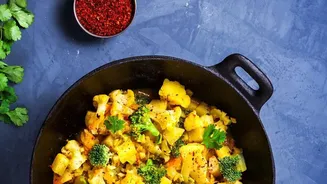
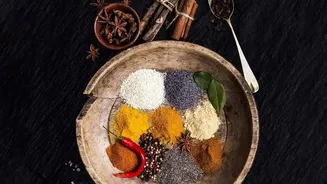
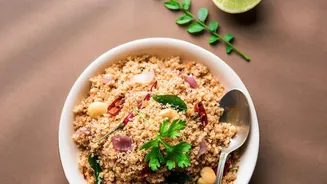
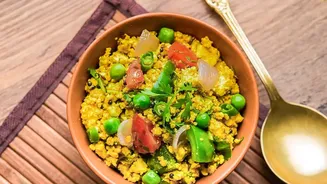
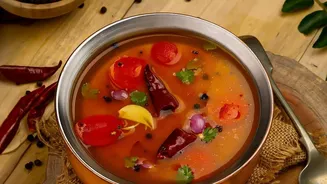
This brings us back to turmeric’s true and tested value: in the kitchen. For centuries, it has been the soul of Indian cooking. Known as 'haldi', it gives curries their iconic golden hue and lends a warm, earthy flavour to everything from vegetables and lentils to rice. Used in dals, sabzis, and spice blends like garam masala, turmeric is a foundational flavour, not a solitary hero. Traditional food wisdom has long paired it with fats and other spices, which can help with absorption. Rather than being a single magic bullet, turmeric is part of a holistic culinary tradition that contributes to a healthy lifestyle. Its role in Ayurvedic practices has always been integrated with diet and lifestyle, not isolated into a pill.