







A New Gateway for Small Satellites
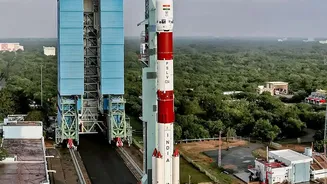
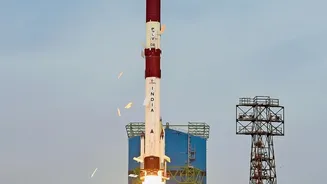
The new facility in Kulasekarapattinam is purpose-built with a specific mission in mind: launching Small Satellite Launch Vehicles (SSLVs). These rockets are designed to carry smaller payloads, typically under 500 kg, to Low Earth Orbit. This specialization
is crucial as it caters to the booming global market for small, micro, and nano-satellites used for everything from Earth observation to communications. The spaceport is engineered for a high launch frequency, with a goal of handling up to 24 launches annually, and is intended to serve both ISRO and private companies, reflecting India's new, more open space policy. Recent reports indicate that the space regulator IN-SPACe has already begun the process of handing over the operations and management of the complex to the private sector, a landmark move to create a vibrant commercial launch ecosystem in India.
The Crucial Southern Advantage
The choice of Kulasekarapattinam is a masterstroke of geography and physics. For decades, launches from Sriharikota heading to polar orbits—which circle the Earth from pole to pole—had a problem: Sri Lanka lies directly to the south. To avoid flying over a neighbouring country, rockets had to perform a costly 'dogleg manoeuvre,' launching eastward and then turning sharply south. This detour burns significant fuel, which in turn reduces the rocket's payload capacity. For a vehicle like the SSLV, this fuel penalty is so severe that its useful payload capacity from Sriharikota for such orbits is considered inadequate. The new spaceport's location on Tamil Nadu's southern tip solves this problem entirely. Rockets can now launch directly south over the Indian Ocean, saving fuel and maximising their payload. An SSLV launching from here can carry a payload of around 300 kg to a polar orbit, a capability that was previously unachievable from Sriharikota.
Sriharikota's Role Becomes More Focused
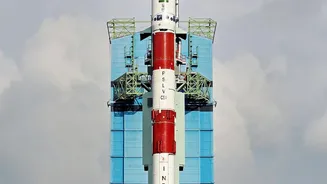
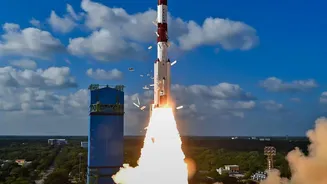
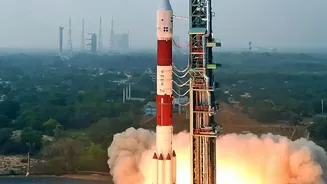
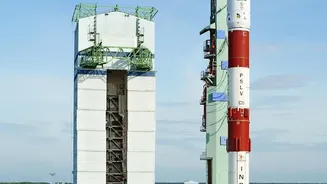
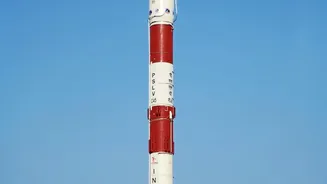
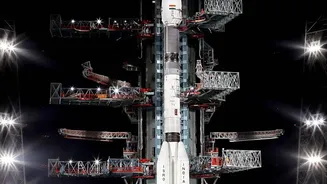
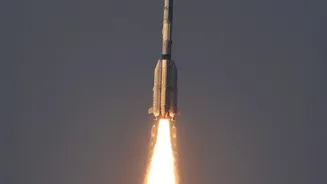
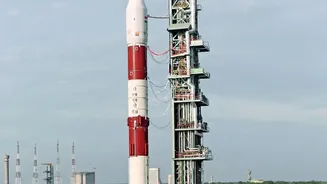
Far from being obsolete, the Satish Dhawan Space Centre (SDSC) in Sriharikota will be freed up to concentrate on what it does best: heavy-lift missions. With Kulasekarapattinam handling the high frequency of smaller SSLV launches, Sriharikota can dedicate its world-class infrastructure to India's most ambitious projects. This includes launching the powerful PSLV and GSLV rockets, which are essential for deploying large national satellites, sending probes on interplanetary journeys to the Moon and Venus, and carrying out the prestigious Gaganyaan human spaceflight missions. Decongesting Sriharikota allows ISRO to better manage its complex launch calendar, ensuring that both the commercial small satellite market and critical national missions can be serviced without compromise. Essentially, India's launch capacity will be divided between a specialist and a heavyweight, increasing overall efficiency.
Two Ports, One National Ambition
The development of the Kulasekarapattinam spaceport is a clear signal of India's expanding ambitions in the global space economy. It’s not about shifting resources from one site to another, but about creating a dual-launchpad strategy that enhances the country's total capacity. Together, the two spaceports will allow India to conduct a higher number of launches per year, cementing its position as a competitive and reliable launch service provider. Furthermore, the new site's proximity to ISRO's Propulsion Research Complex in Mahendragiri, Tamil Nadu, significantly reduces the time and cost associated with transporting rocket components. By building dedicated infrastructure for the private sector and SSLVs, India is not just complementing Sriharikota; it is building a more robust, versatile, and commercially-minded space program for the future.