





The B Vitamin Powerhouse: Mushrooms
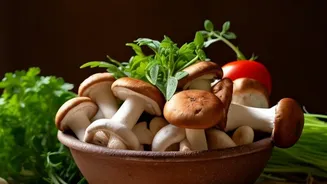
Mushrooms are a fantastic source of several B vitamins, which are crucial for helping your body convert food into energy. They are particularly rich in riboflavin (B2), niacin (B3), and pantothenic acid (B5). Riboflavin plays a key role in the nervous
system and hormone production, while niacin is essential for maintaining healthy red blood cells. Pantothenic acid supports healthy skin and ensures the digestive and nervous systems function correctly. This B vitamin complex is vital for metabolism, helping to break down proteins, fats, and carbohydrates to fuel your day. Different types of mushrooms, such as cremini, portobello, and shiitake, all provide a solid dose of these important nutrients. Think of them as your go-to for energy support and cellular health.
The Vitamin C & Potassium Champion: Zucchini
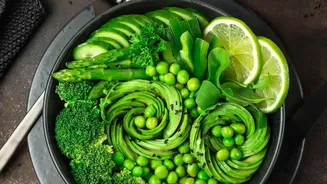
When it comes to vitamin C and potassium, zucchini shines. A single medium zucchini can provide a significant portion of your daily vitamin C needs. This essential antioxidant helps support your immune system and is vital for maintaining the health of your skin, joints, and blood vessels. Zucchini is also rich in potassium, a mineral that is critical for heart health. Potassium helps regulate blood pressure by balancing sodium levels and easing tension in the blood vessel walls. This combination of vitamin C and potassium makes zucchini an excellent choice for supporting your cardiovascular system and overall wellness. Its high water content also makes it incredibly hydrating.
The Antioxidant Angle
Both vegetables bring powerful antioxidants to the table, but they offer different kinds. Mushrooms are one of the best food sources of selenium, a potent antioxidant that helps protect body cells from damage and supports a healthy immune system. Some varieties also contain ergothioneine, another naturally occurring antioxidant that may help protect cells. Zucchini, on the other hand, gets its antioxidant power from compounds like lutein and zeaxanthin, in addition to its high vitamin C content. These specific antioxidants are known to accumulate in the retina, supporting eye health and potentially reducing the risk of age-related vision problems. So, while both fight cellular damage, they do so with a different set of tools.
Fiber, Protein, and Calories
Both mushrooms and zucchini are low-calorie, low-fat options, making them excellent for weight management. When comparing them gram for gram, their calorie counts are quite similar. However, mushrooms generally offer more protein than zucchini, making them a slightly more substantial option for vegetarians and those looking to boost their protein intake from plant-based sources. In terms of dietary fiber, some mushroom varieties like shiitake and oyster mushrooms have a slight edge over zucchini, which is beneficial for digestive health and feeling full. Zucchini's high water content, however, also contributes to a feeling of fullness.
The Unique Contributions
Each vegetable has a few more tricks up its sleeve. Mushrooms are one of the few non-animal food sources of vitamin D, especially when they have been exposed to UV light during cultivation. Vitamin D is critical for bone health because it helps the body absorb calcium. Zucchini offers a good amount of vitamin A, which supports vision and immune function, and folate (a B vitamin) that is important for cell growth and metabolism. It's also worth noting that much of zucchini's nutritional value, including fiber and some vitamins, is found in its skin, so it's best not to peel it.