
The Rise of the Kitchen Garden
Across India's bustling cities, a growing number of people are discovering the simple joy of cultivating their own herbs. This isn't about large-scale farming; it's about the convenience and satisfaction of having fresh, pesticide-free ingredients within
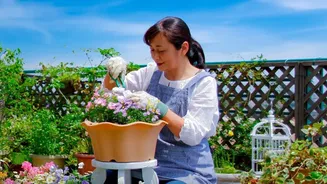
arm's reach. Driven by a desire for healthier living, sustainability, and better-tasting food, urban dwellers are transforming small spaces—balconies, terraces, and sunny kitchen windows—into miniature green oases. The trend is a return to basics, connecting people more deeply with the food they eat while also saving money and reducing waste from wilted, forgotten herbs in the fridge. More than just a hobby, gardening has become a form of therapy, a relaxing ritual to de-stress from modern life.
Essential Herbs for Indian Homes
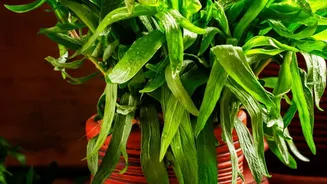
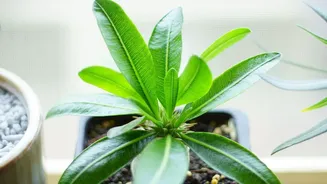
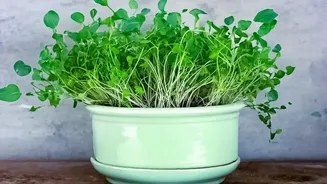
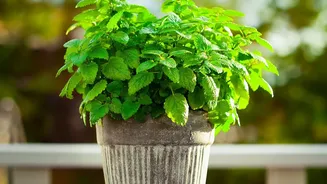
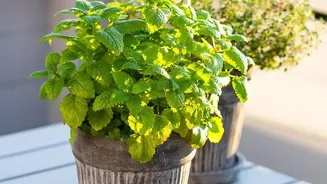
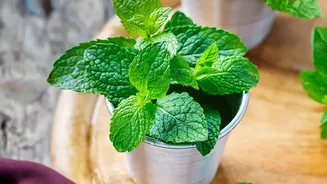
Starting a herb garden is easy because many staples of Indian cuisine are surprisingly low-maintenance. The key is to choose herbs you regularly use. Mint (Pudina) is a fast-growing favourite, perfect for chutneys and drinks, but it's best kept in its own pot to stop it from taking over. Coriander (Dhaniya), the king of garnishes, grows quickly from seed and is best planted in cycles. No South Indian-inspired kitchen is complete without a Curry Leaf (Kadi Patta) plant, which starts slow but provides flavour for years. Holy Basil (Tulsi) is not only sacred but also incredibly resilient, thriving with minimal care and purifying the air. Other great options for a sunny balcony include lemongrass, green chillies, and even fenugreek (methi).
Your Simple Starter Kit
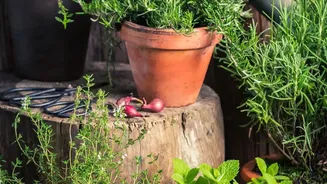
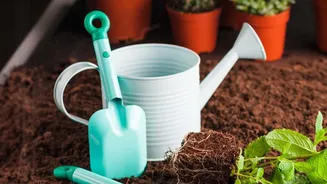
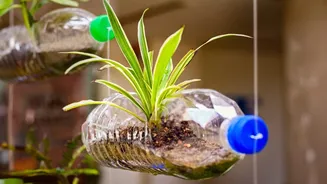
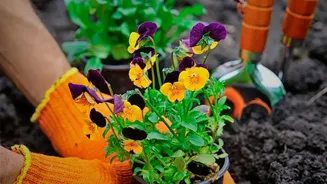
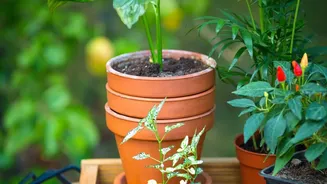
You don’t need a lot of expensive equipment to get started. The most basic setup involves just a few key items. First, choose your containers. Terracotta pots are a traditional and excellent choice because they are porous, but simple plastic pots or recycled containers with drainage holes work just as well. Most herbs are happy in pots that are 6-8 inches deep. Next is the soil. Avoid using heavy garden soil, which can become compacted and waterlogged. Instead, opt for a light, well-draining potting mix, which you can enrich with compost or coco peat to support healthy root growth. Finally, you'll need seeds or small saplings, which are widely available at local nurseries or online. Starting with a small plant is often easier for beginners.
Sunlight, Water, and Care
Once your garden is set up, a little regular attention is all it takes. Most culinary herbs, including basil and lemongrass, need at least 4-6 hours of direct sunlight per day. A south or west-facing window or balcony is ideal. If you have a spot with less light, herbs like mint and coriander are more forgiving. Watering is crucial, but overwatering is a common mistake. A good rule is to check the soil daily; if the top inch feels dry, it's time to water. Mint prefers consistently moist soil, while others like basil prefer to dry out a bit between waterings. Regularly harvesting leaves and stems doesn't just provide you with fresh ingredients—it encourages the plant to grow bushier and more productive.
The Rewarding Harvest
The benefits of a home herb garden go far beyond convenience. Homegrown herbs are packed with more flavour and aroma than their store-bought counterparts, elevating everything from a simple dal to a refreshing summer drink. You have complete control over the growing process, ensuring your food is free from harmful pesticides. It’s also a powerful way to reduce your carbon footprint and kitchen waste. But perhaps the greatest reward is the intangible one: the satisfaction of nurturing something from seed to plate. It’s a small, sustainable act that brings a touch of nature into the home and fosters a healthier, more mindful way of living.