




Introducing SOLVE: A Dedicated Test Platform
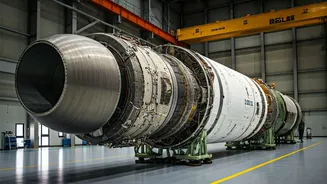
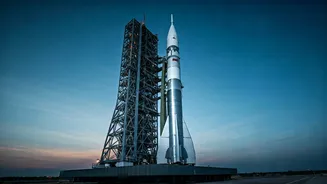
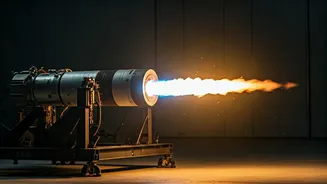
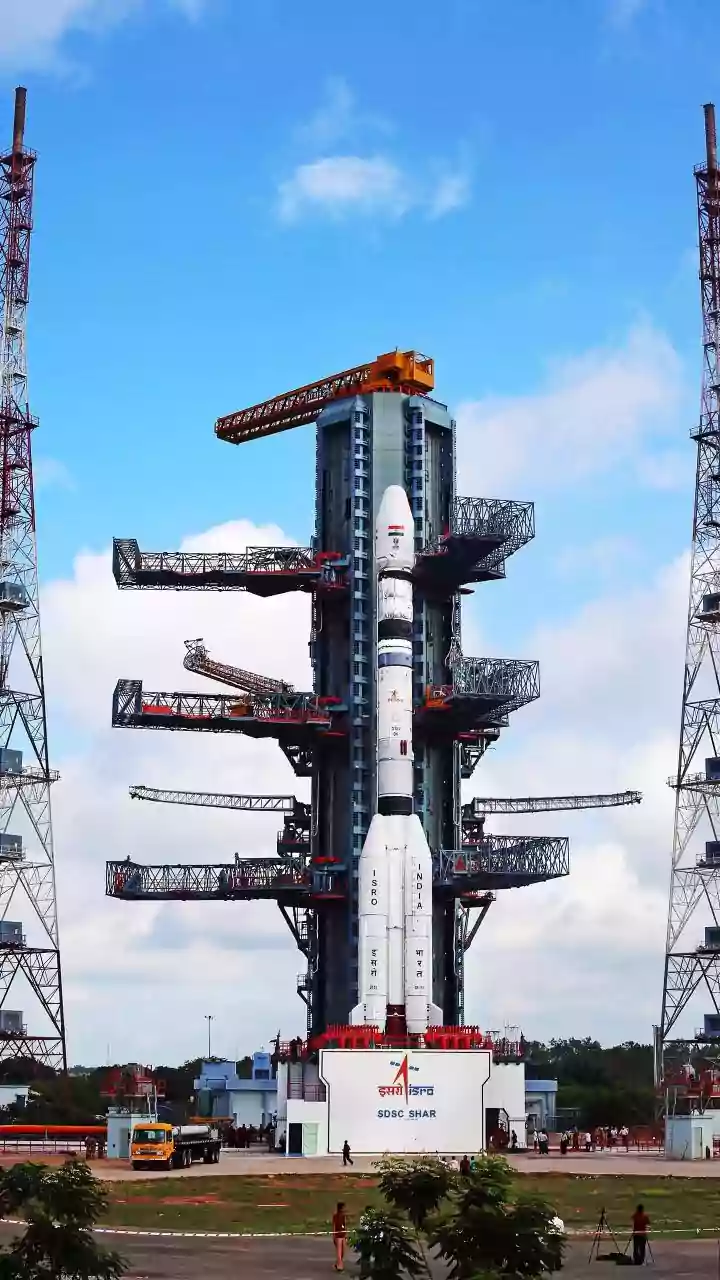
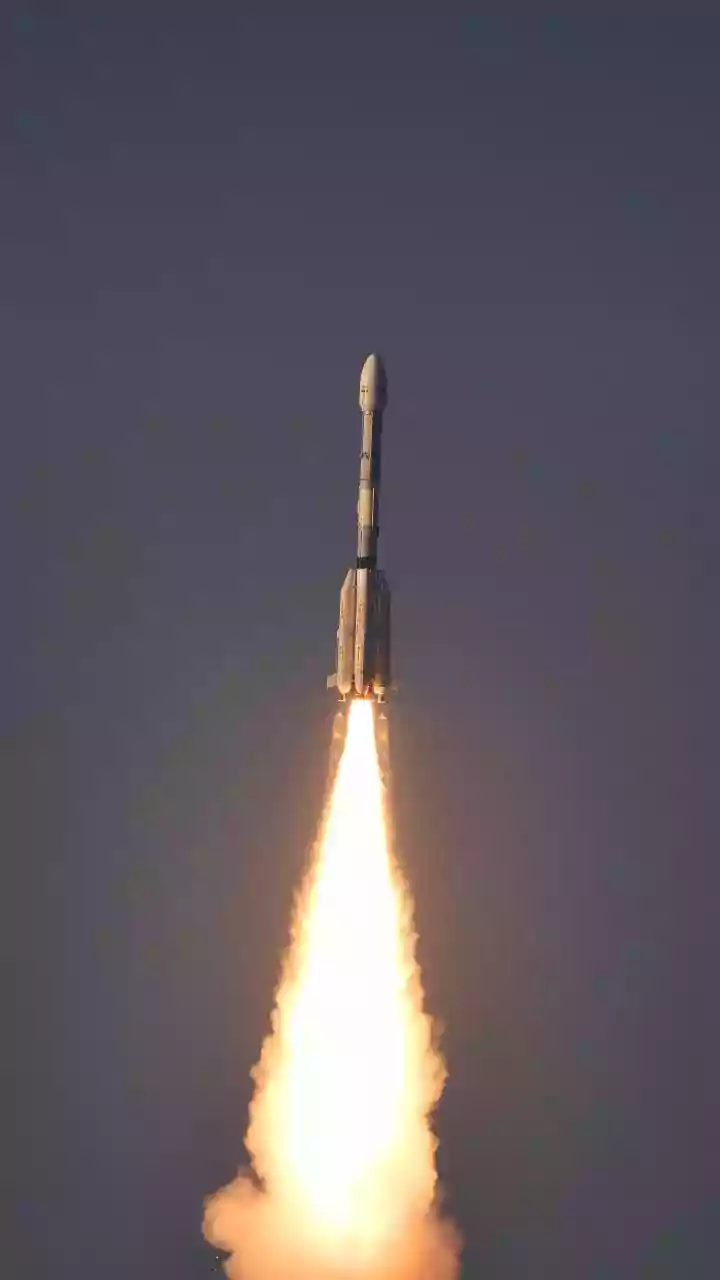
In a significant development for the Gaganyaan mission, ISRO successfully conducted the first ground test of the solid motor for a new vehicle named SOLVE. Standing for Sub-Orbital Launch Vehicle for Experiments, SOLVE is not designed to go into orbit
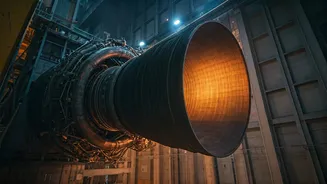
itself. Instead, it’s a dedicated, compact test rocket built for a very specific and vital purpose: to help perfect the systems that will bring Indian astronauts safely back to Earth. The successful static test, which took place at the Satish Dhawan Space Centre in Sriharikota, confirmed that the motor powering this new vehicle performs exactly as designed. This gives ISRO a flexible and reliable new tool to rigorously test safety components under realistic conditions.
Perfecting the Parachute Sequence
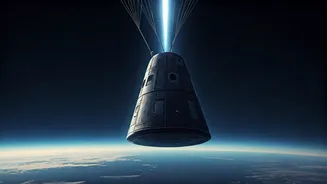
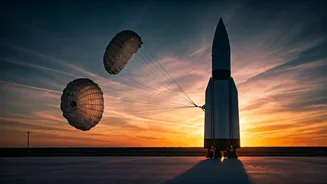
The primary mission for the SOLVE vehicle will be to carry a replica of the Gaganyaan crew module to an altitude of between 10 and 17 kilometres. Once it reaches the target altitude, it will release the module, simulating a crucial phase of re-entry. From there, a complex sequence of 10 different parachutes must deploy perfectly to slow the capsule down for a gentle splashdown in the sea. Validating this deceleration system is one of the most critical safety requirements for any human spaceflight mission. By using SOLVE, ISRO can repeat these high-altitude drop tests multiple times under various conditions, ensuring the entire parachute system is foolproof before any astronaut is on board.
Smart Engineering: Building on a Legacy
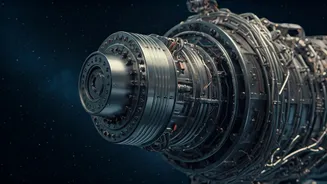
A key aspect of the SOLVE vehicle is ISRO’s trademark frugal and intelligent engineering. The solid motor for SOLVE is not entirely new; it is a modified version of the highly reliable strap-on motors used in the workhorse Polar Satellite Launch Vehicle (PSLV). However, it has been specifically adapted for its new role. The modifications include developing a propellant that burns more slowly and integrating a new thrust vector control system to steer the vehicle. This approach of adapting proven technology saves time and resources while building on a legacy of success, allowing engineers to focus on the unique challenges of crewed missions.
The Science of a Safe Return
Bringing a spacecraft back from orbit is arguably as challenging as launching it. The crew module re-enters the atmosphere at immense speeds, protected by a heat shield. But after the initial fiery descent, it's up to the parachutes to manage the final, critical stage. The system is multi-staged. Drogue parachutes deploy first to stabilise the rapidly falling capsule, followed by the main parachutes that slow the descent to a safe splashdown speed. Every part of this sequence must be flawless. The SOLVE platform is essential because it allows ISRO to test this entire sequence in the air, gathering data to ensure reliability and giving the future crew the ultimate assurance of a safe return journey.
A Milestone on the Road to Gaganyaan
The Gaganyaan programme aims to launch a crew of astronauts into a 400 km orbit for a three-day mission and bring them safely back to Earth. This journey is marked by a series of meticulous tests, each one building on the last. This successful ground test of the SOLVE motor is a foundational milestone. It clears the path for future flight tests of the vehicle, which will in turn provide the final validation for the parachute system. It's another demonstration of ISRO's methodical, safety-first approach. While the eventual launch of Gaganyaan will capture the nation's imagination, it is these quiet, successful ground tests that truly pave the way for India's historic entry into the elite club of nations capable of human spaceflight.