






More Than Just 'Green' Eating
When we hear “sustainable diet,” our minds often jump to environmental impact. This is a huge piece of the puzzle. Our global food systems are responsible for up to a third of all greenhouse gas emissions and are major consumers of land and fresh water.
A planet-friendly diet, therefore, often prioritizes foods with a lower carbon footprint. This generally means a shift towards more plant-based foods, as they tend to require fewer resources than animal products, particularly meat from ruminant animals like cattle. The UN's Food and Agriculture Organization (FAO) includes low environmental pressure and impact as a core principle of what it calls a “Sustainable Healthy Diet.” The goal is to choose foods that protect biodiversity and optimize the use of natural resources, ensuring that we can continue to feed a growing global population for generations to come.
The Other Side of the Coin: Nutritional Adequacy
Here's where things get more complex. A diet isn't sustainable if it doesn't sustain you. Nutritional adequacy is the second, equally vital, pillar. A healthy diet must provide all the energy, macronutrients, and micronutrients needed for growth, development, and the prevention of malnutrition. It’s not just about getting enough calories; it's about getting the right combination of vitamins and minerals. While many plant-based diets are incredibly healthy, a poorly planned one can lead to deficiencies in essential nutrients like vitamin B12, iron, zinc, and calcium, which are often more readily available in animal-sourced foods. The FAO explicitly states that a sustainable diet must be “nutritionally adequate, safe and healthy.” Simply cutting out entire food groups for environmental reasons without careful replacement can compromise health, which is counter to the very idea of sustainability.
When Good Intentions Collide
The potential conflict between environmental goals and nutritional needs is the central challenge. Some foods that are nutritional powerhouses, like certain meats and dairy, can have a high environmental footprint. Conversely, some low-impact foods might not offer much nutritional bang for your buck. For example, simply swapping a nutrient-rich animal product for a highly processed, low-nutrient plant-based alternative doesn't automatically create a healthier or more sustainable diet. Landmark proposals like the EAT-Lancet Commission's “planetary health diet” have tried to create a universal framework, promoting a largely plant-forward diet to balance human and planetary health. However, these models have faced criticism for not fully accounting for nutritional completeness or the social and economic realities in different parts of the world. Studies have noted that strictly limiting all animal products could create risks of nutrient deficiencies if not carefully managed.
Finding the Holistic Sweet Spot
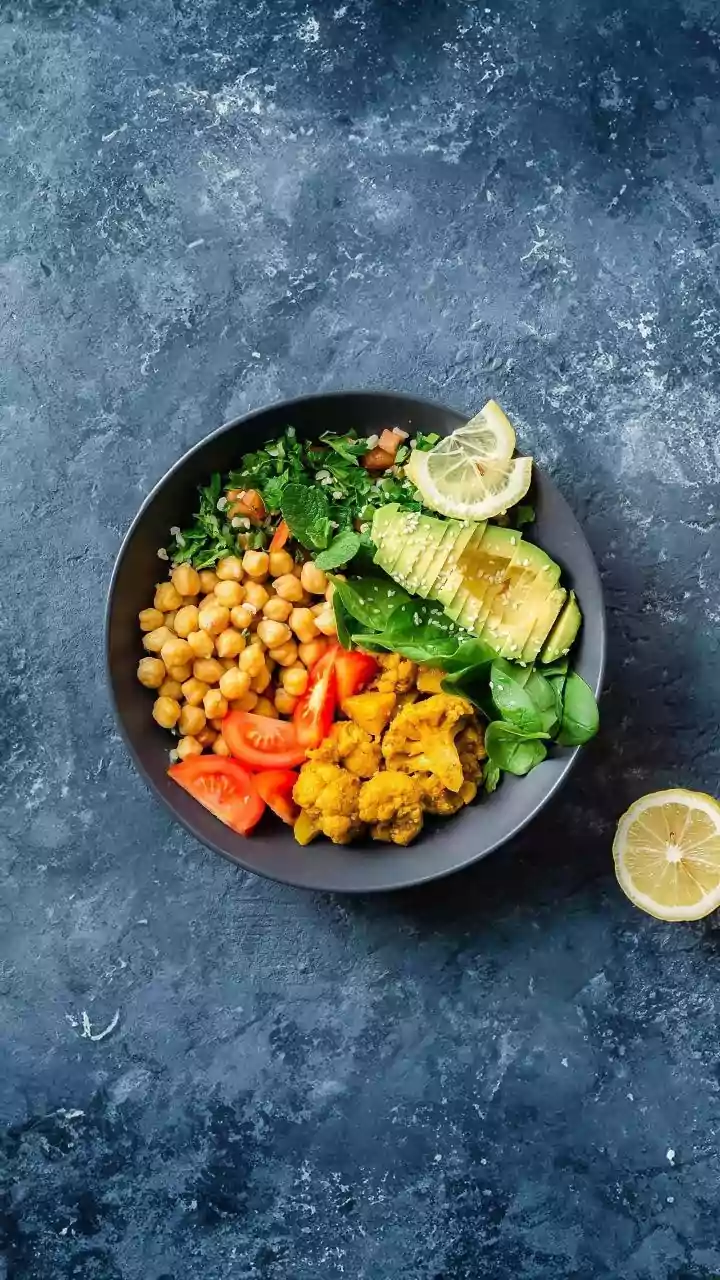
So, how do we find a balance? The key is a holistic approach rather than a rigid, all-or-nothing mindset. It's about making smarter choices within food groups, not just eliminating them. For instance, choosing chicken or small fish over red meat can significantly lower your dietary carbon footprint while still providing high-quality protein and essential nutrients. Embracing a wide variety of nutrient-dense plant foods—like lentils, beans, nuts, seeds, and diverse vegetables—is fundamental. These foods are often beneficial for both personal health and the environment. The principle is one of moderation, balance, and variety. A diet rich in whole foods, with a thoughtful reduction—not necessarily total elimination—of high-impact animal products, can successfully meet both environmental and nutritional goals. It's about shifting the proportions on your plate toward a more plant-forward balance that is mindful of both the planet's health and your own.