






A Gift of Life and Symbolism
In the heart of diplomatic Europe, India has made a statement not with words, but with wings. A stunning white peacock and four brilliant Indian Rollers were formally presented as a gift to be housed in the historic Ariana Park, the verdant grounds of the Palais
des Nations, the United Nations' European headquarters in Geneva. This is no ordinary offering. Moving beyond traditional diplomatic presents of art or artifacts, this living gift is a vibrant and deeply symbolic gesture, intended to convey a message of peace, prosperity, and goodwill to the world's foremost hub of international cooperation. The birds, carefully selected and transported, will now reside in a specially prepared aviary, becoming a permanent and living feature of the landscape where global decisions are forged.
The Serene White Peacock
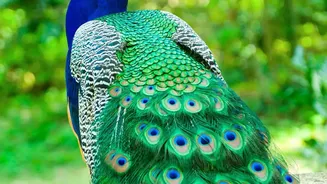
At the centre of the gift is the magnificent white peacock. A genetic variant of the Indian Peafowl—India's national bird—the white peacock is a rare and breathtaking sight. In Indian culture, it is often seen as a powerful symbol of purity, divinity, and spiritual awakening. While the more common blue peacock is associated with royalty and beauty, the white version amplifies these qualities, connecting them to concepts of inner peace and transformation. It is also linked to Saraswati, the goddess of knowledge, wisdom, and the arts, reinforcing a message of enlightened dialogue. By presenting this bird, India is not just showcasing its natural heritage, but also projecting a vision of grace, purity of intent, and a quest for higher wisdom on the world stage.
The Auspicious 'Neelkanth'
Accompanying the peacock are four Indian Rollers, known colloquially as the 'Neelkanth' or 'blue throat'. These birds are woven deeply into the fabric of Indian folklore and tradition. The name 'Neelkanth' links the bird to Lord Shiva, who, according to mythology, drank poison to save the world, turning his throat blue and becoming a symbol of sacrifice for the greater good. Sighting a Neelkanth, especially during the festival of Dussehra, is considered extremely auspicious and a harbinger of good fortune and victory. It is believed that Lord Rama saw a Neelkanth before his victorious battle against Ravana. The four birds in this gift can be seen to represent a wish for success and positive outcomes in the four corners of the world, a powerful omen for the diplomatic work undertaken in Geneva.
The Art of Soft Power
This avian offering is a masterclass in 'soft power'—the ability to influence and attract through culture and values rather than coercion. In an era of complex global challenges, India has increasingly turned to its rich civilisational heritage as a tool of diplomacy. From the international recognition of Yoga Day to its vibrant film industry, India uses cultural touchstones to build bridges and enhance its global standing. This gift follows in that tradition. It is a uniquely Indian gesture, impossible for any other nation to replicate. It speaks of a country confident in its identity and willing to share its most cherished cultural and natural symbols. By placing these birds in Geneva, a city that is home to over 40 international organisations, India is ensuring its message of peace and auspicious new beginnings resonates daily among the world's diplomats.