





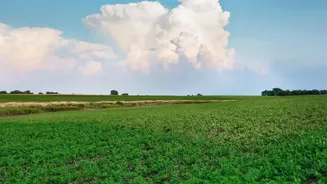
The Fading White Gold
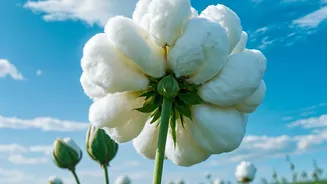
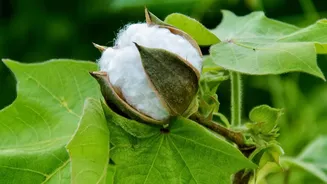
Punjab's historic cotton belt is shrinking at an alarming rate. In the current 2026-27 season, cotton sowing has hit a record low, with acreage plummeting. The state, which once saw nearly 8 lakh hectares dedicated to 'white gold', now struggles to cover
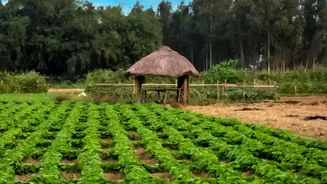
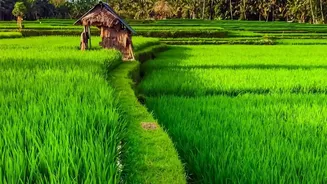
a fraction of that. Farmers are abandoning the crop after consecutive seasons of poor returns, driven by devastating pest attacks, particularly from the pink bollworm, and losses from unseasonal rains. This retreat from cotton isn't happening in a vacuum; farmers are overwhelmingly shifting to what they perceive as a safer bet: paddy.
The Allure of Assured Income
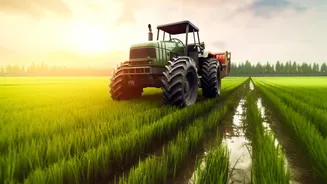
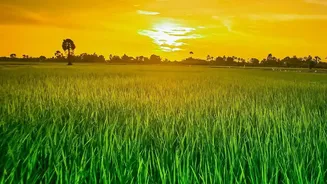
The primary driver behind the shift to paddy is economic security. Unlike cotton, which is subject to market volatility and pest-related yield losses, paddy comes with a powerful incentive: the Minimum Support Price (MSP) and guaranteed government procurement. For the 2026-27 season, the MSP for common paddy is set at ₹2,441 per quintal. While the government has also raised the MSP for medium staple cotton to ₹8,267 per quintal, the procurement mechanism for paddy is far more robust and reliable. This system provides a financial safety net, assuring farmers of a buyer and a fixed price, effectively removing market risk from their income equation. This assurance makes paddy the default choice for many, even if it's not ecologically suitable for the region.
The Problem with Pests and Prices
For cotton farmers, the risks are numerous. The pink bollworm has become a formidable foe, developing resistance to Bt cotton varieties and causing significant yield damage, sometimes estimated at around 30%. Managing these pests requires heavy investment in pesticides, increasing input costs and eating into profits. Coupled with unpredictable weather patterns, the financial viability of cotton has become a gamble. While the MSP for cotton has seen significant hikes, the lack of guaranteed, widespread procurement leaves farmers vulnerable to price fluctuations in the open market. This uncertainty stands in stark contrast to the predictability of the paddy-wheat cycle, where the state machinery ensures the crop is bought.
The Ecological Price Tag
The large-scale shift to paddy carries a catastrophic environmental cost. Paddy is a water-guzzling crop, consuming vast amounts of groundwater. Years of this intensive cultivation have pushed Punjab into a severe water crisis, with an estimated 80% of the state now in a red zone due to groundwater over-exploitation. Water tables are dropping at an alarming rate, forcing farmers to sink deeper, more expensive tube wells. This reliance on paddy, fueled by policies like free power for irrigation, has created a vicious cycle of depletion that threatens the long-term sustainability of agriculture in the state. The decline in cotton acreage directly increases pressure on these already-strained water resources as more land is converted for paddy.
Can Diversification Efforts Compete?
The Punjab government is not blind to the crisis. For years, it has attempted to promote crop diversification, encouraging farmers to switch to alternatives like maize, pulses, and oilseeds. The latest push includes financial incentives for shifting away from paddy. However, these efforts have struggled to gain traction because they cannot compete with the economic ecosystem built around paddy. For diversification to succeed, alternative crops must not only be agronomically viable but also offer the same level of income security that the MSP and procurement system provides for paddy. Until then, for a farmer weighing short-term survival against long-term sustainability, the choice, however difficult, remains clear.