










An Abort, Not an Anomaly
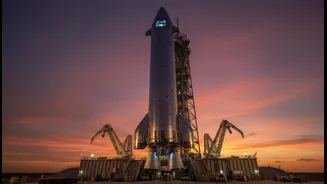
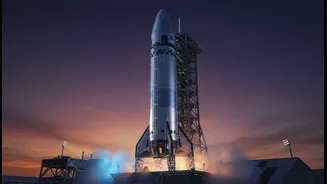
On Thursday, July 16, 2026, the countdown for the thirteenth test flight of SpaceX’s massive Starship rocket reached its final moments at the Starbase facility in Texas. As the 33 Raptor engines on the Super Heavy booster began to ignite, the onboard
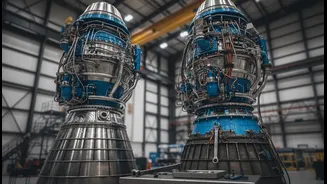
flight computer detected that some engines failed to start correctly. It immediately triggered an automatic abort, shutting everything down before the vehicle could lift off. Shortly after, CEO Elon Musk confirmed the event on social media, stating the abort system worked as intended. To ensure a successful next attempt, he announced that two of the Raptor engines would be removed and replaced, with a new launch attempt probable within the next week.
The SpaceX Method: Build, Fly, Fix, Repeat
For any other aerospace company, an on-pad abort and engine replacement might be seen as a significant setback. For SpaceX, it is closer to business as usual. The company has built its success on a philosophy of rapid, iterative development, which is more common in software startups than in rocket science. Instead of spending years on design and analysis to build a perfect vehicle, SpaceX builds numerous prototypes, tests them, learns from failures (or successes), and quickly incorporates those lessons into the next version. This hardware-rich approach accepts that some components will fail or underperform during testing. Swapping engines after a test or an abort is simply part of this accelerated learning cycle. It allows engineers to gather real-world data on how the complex systems perform and make adjustments on the fly, a stark contrast to the traditionally slower, more risk-averse pace of aerospace development.
What This Means for the Next Flight
The aborted mission was intended to be the thirteenth integrated flight test (IFT-13) for the Starship system. This particular flight is notable as it carries the first batch of 20 upgraded Starlink V3 satellites, designed to significantly boost the capacity of SpaceX's global internet constellation. While the satellites on this suborbital test were not planned to reach a stable orbit, the mission is a crucial step toward using Starship for its primary purpose: deploying massive payloads. The decision to replace two engines is a precautionary measure to increase the chances of a successful flight. Given the booster’s 33 engines, Starship can likely suffer some engine failures during flight and still complete its mission, but a clean launch is always the goal. The quick turnaround, with a potential re-launch in just a week, underscores the efficiency of SpaceX's ground operations and their ability to quickly diagnose and rectify issues.
The Bigger Picture: A Reusable Revolution
Every test, abort, and engine swap feeds into SpaceX's ultimate goal for Starship: creating a fully and rapidly reusable launch system that can dramatically lower the cost of access to space. The vision is a rocket that operates more like an airliner, capable of being launched, landed, and refueled for another flight in a short period. This latest incident, while a momentary delay, is another data point in that quest. By identifying and fixing a potential weakness before the rocket ever left the ground, the team gathered valuable information without losing a vehicle. This process of constant refinement is what has allowed SpaceX to advance the Starship program at an unprecedented rate, moving from early suborbital hops to near-orbital flights in just a few years. It is this relentless cycle of testing and improving that paves the path toward routine flights to Earth orbit, the Moon, and eventually Mars.