





What's the Big Deal with Flaxseed?
Flaxseed has earned its “superfood” status for good reason. It's one of the richest plant-based sources of alpha-linolenic acid (ALA), a type of omega-3 fatty acid that supports heart health. It is also packed with dietary fibre, which aids digestion
and can help you feel full longer, potentially assisting with weight management. Furthermore, flaxseed is the number one source of lignans, a plant compound with antioxidant properties that studies suggest may help balance hormones and protect against certain types of cancer. Just one or two tablespoons a day can contribute significantly to your intake of these vital nutrients.
Ground vs. Whole: A Crucial Choice
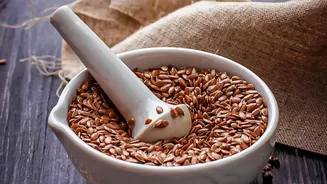
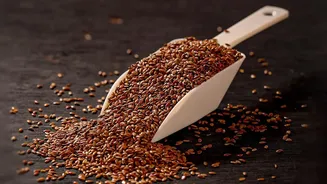
When you see flaxseed in stores, it's available both whole and ground (or milled). For the most nutritional benefit, always opt for ground. The human body struggles to break down the tough outer shell of whole flaxseeds, meaning they can pass through your system undigested, and you'll miss out on the valuable nutrients inside. Grinding the seeds makes the omega-3s, fibre, and lignans much more bioavailable. You can buy it pre-ground for convenience or grind whole seeds yourself in a coffee grinder or blender just before use.
Upgrade Your Morning Routine
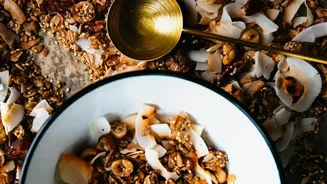
Breakfast is perhaps the easiest meal to infuse with the goodness of flax. Stir a tablespoon of ground flaxseed into your morning oatmeal or yoghurt. It adds a mild, nutty flavour and a thicker consistency. Blending it into a smoothie is another classic and effective method; it mixes in seamlessly with fruits, greens, and your choice of milk or protein powder. If you're a fan of overnight oats, adding flaxseed will not only boost nutrition but also help create a creamier, more satisfying texture.
Effortless Lunch and Dinner Additions
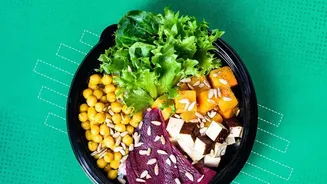
The versatility of ground flaxseed extends well beyond the breakfast table. You can whisk it into salad dressings to act as a natural emulsifier and thickener. For a simple fibre boost, sprinkle it over soups, stews, or dals right before serving. It can also be mixed into meat or veggie patties, where it helps bind the ingredients together while adding nutrients. Another clever use is as a partial substitute for breadcrumbs in coatings for baked chicken or vegetables, adding a healthy crunch.
Smarter Baking and Snacking
Flaxseed is a baker's friend. You can incorporate it into recipes for muffins, breads, and cookies for a nutritional upgrade. It's also famous for its role as a vegan egg substitute. To replace one egg, simply mix one tablespoon of ground flaxseed with three tablespoons of water and let it sit for a few minutes until it forms a gel. This “flax egg” works wonderfully as a binder in pancakes and many baked goods. For a no-bake option, mix ground flax into energy balls with oats, nut butter, and a sweetener for a perfect on-the-go snack.
A Note on Portions and Hydration
While flaxseed is incredibly healthy, more is not necessarily better. Most experts recommend a daily intake of one to two tablespoons of the ground seeds. If you're new to adding this much fibre to your diet, start with a smaller amount, like one teaspoon, and gradually increase it to give your digestive system time to adjust. Because flaxseed is high in fibre that absorbs water, it's important to drink plenty of fluids throughout the day to help it do its job effectively and avoid any digestive discomfort.