


A Tale of Two Low-Calorie Champions
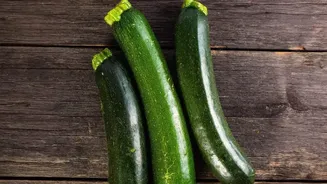
On their own, both zucchini and mushrooms are nutritional powerhouses with impressively low calorie counts. A medium zucchini contains around 33 calories, while a cup of sliced mushrooms has even fewer, at about 15 to 22 calories. They are both low in fat
and carbohydrates, making them ideal for various healthy diets. Zucchini shines with its high content of Vitamin C and Vitamin A. It's also a good source of potassium and magnesium, which are important for heart health and muscle function. The skin, in particular, is rich in antioxidants. Mushrooms, on the other hand, are prized for their B-vitamin content, which is crucial for energy production. They also provide selenium, a powerful antioxidant, and can be a source of Vitamin D if they have been exposed to UV light. Their distinct umami flavour provides a savoury depth to dishes, often reducing the need for salt.
The Preparation Pitfall: Where Calories Hide
The very qualities that make these vegetables great also make them prone to becoming calorie traps. Their sponge-like textures readily soak up whatever they are cooked in. A simple side of sautéed zucchini and mushrooms can quickly escalate in calories when cooked with generous amounts of butter or oil. Just one tablespoon of olive oil adds around 120 calories, and a tablespoon of butter is about 100 calories. While these fats can be part of a healthy diet, their liberal use can negate the low-calorie benefit of the vegetables themselves. Similarly, creamy sauces, breadcrumb coatings, and heaps of cheese can transform a light dish into a heavy one. A gratin, for example, might involve cheese and cream, significantly increasing the final fat and calorie content. Frying is another common culprit that adds significant calories through oil absorption.
Smart Cooking Methods for Zucchini
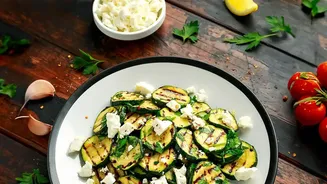
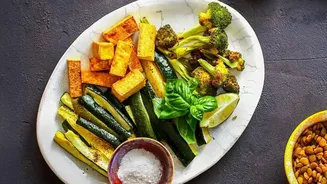
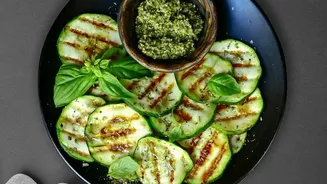
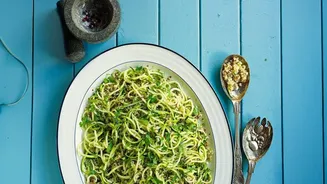
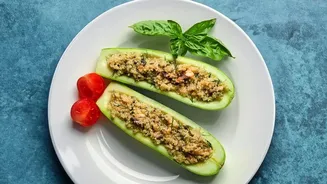
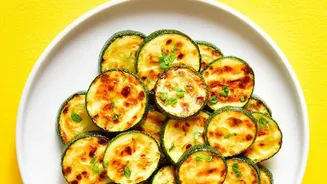
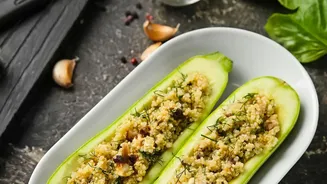
To keep zucchini dishes light and healthy, focus on cooking methods that enhance its natural flavour without adding excess fat. Grilling or roasting brings out a pleasant smokiness; simply toss thinly sliced zucchini with a minimal amount of oil and seasoning before cooking. Steaming is an excellent fat-free method that preserves many nutrients, particularly water-soluble vitamins. Spiralized zucchini, or 'zoodles', serves as a fantastic low-carb substitute for pasta, perfect for pairing with a light tomato or pesto sauce. You can even enjoy zucchini raw, thinly sliced in salads, offering a similar nutritional profile but with more Vitamin C, which can be reduced by cooking. When sautéing, use a non-stick pan and a small amount of oil, or try using water or broth to prevent sticking for a nearly fat-free option.
Mastering Mushrooms for Maximum Health
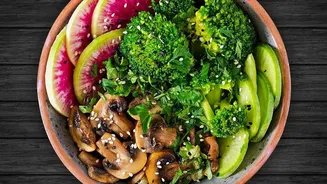
Mushrooms’ rich, earthy flavour is their greatest asset. To make the most of it, try roasting them, which concentrates their umami taste without needing much oil. A simple ‘water sauté’ is another effective technique: start by dry sautéing sliced mushrooms in a hot pan, allowing them to release their natural moisture. If they begin to stick, add a tablespoon of water or vegetable broth at a time to deglaze the pan and continue cooking. This method develops a deep, browned flavour with virtually no added fat. Mushrooms are also a wonderful addition to soups, stews, and stir-fries, where they add bulk and flavour for very few calories. For a simple side, try grilling or broiling larger mushroom caps like portabellas with just a light brushing of oil and herbs.
Why Portion Size Still Counts
Even with the healthiest preparation methods, portion control remains essential. While it's harder to over-consume plain steamed vegetables, it's easy to eat large quantities when they are part of a more elaborate dish. An adult portion of cooked vegetables is generally considered to be about half a cup, or 80 grams. It can be helpful to visualise this as about the size of your fist. The recommendation for most adults is to aim for 2 to 3 cups of vegetables per day. By being mindful of serving sizes, you ensure that your meal remains balanced. Filling half your plate with a variety of vegetables is a great strategy to manage portions and increase your nutrient intake without feeling deprived.