

Teff: The Tiny Super-Grain
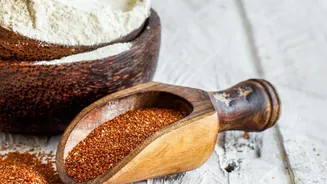
Teff is the world's smallest grain, but it packs a mighty nutritional punch. A staple in Ethiopia, it's the key ingredient for injera, the famous spongy, slightly sour flatbread that serves as both plate and utensil for countless meals. This gluten-free
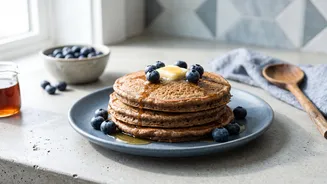
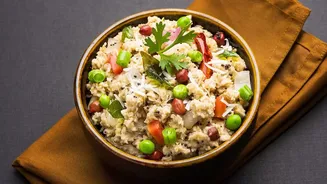
powerhouse has a mild, nutty flavour and is rich in protein, iron, and calcium. For breakfast, teff can be cooked into a creamy porridge, similar to oatmeal but with a richer taste; try it with cinnamon, honey, and fresh fruit. In baking, its flour is a fantastic gluten-free alternative for pancakes, muffins, and bread. For dinner, use whole teff grains as a base for hearty grain bowls, salads, or as a substitute for rice to serve alongside stews and curries.
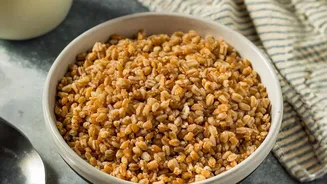
Sorghum: The Resilient All-Rounder
Known as 'jowar' in India, sorghum is a familiar face with deep Ethiopian roots. This hardy, drought-resistant grain has been cultivated for thousands of years and is celebrated for its versatility. Naturally gluten-free, it has a slightly sweet, earthy flavour and a satisfyingly chewy texture when cooked whole. It's also a great source of protein, fibre, and antioxidants. Kickstart your day with a sorghum porridge, often sweetened with honey and topped with nuts. For baking, sorghum flour adds a delicate sweetness to gluten-free bread, cookies, and pancakes. In the evening, use whole sorghum grains in a pilaf with vegetables, add them to soups and stews for body, or even pop them like popcorn for a healthy snack.
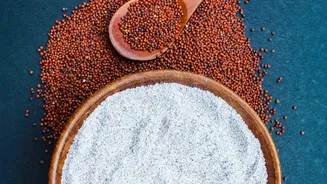
Finger Millet: The Nutrient-Dense Staple
Finger millet, or 'ragi', is another grain that bridges Indian and Ethiopian food cultures. In Ethiopia, it is a commonly farmed crop, valued for its nutritional density, especially its high calcium and iron content. It has a distinct earthy flavour and is incredibly versatile, used in both fermented and unfermented preparations across Africa. For a filling breakfast, finger millet flour is boiled with water or milk to create a thick, nutritious porridge, similar to ragi malt. While not traditionally a baking grain in the Western sense, its flour can be used to make dense, flatbreads or incorporated into multigrain bread recipes. For dinner, finger millet flour can be used to make a dough-like staple similar to ugali, served alongside flavorful stews and vegetable dishes, or even to create a more nutritious version of injera.
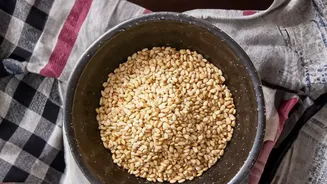
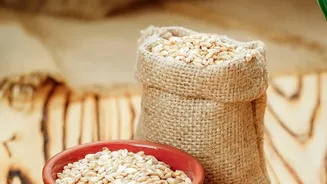
Barley: The Ancient Comfort Grain
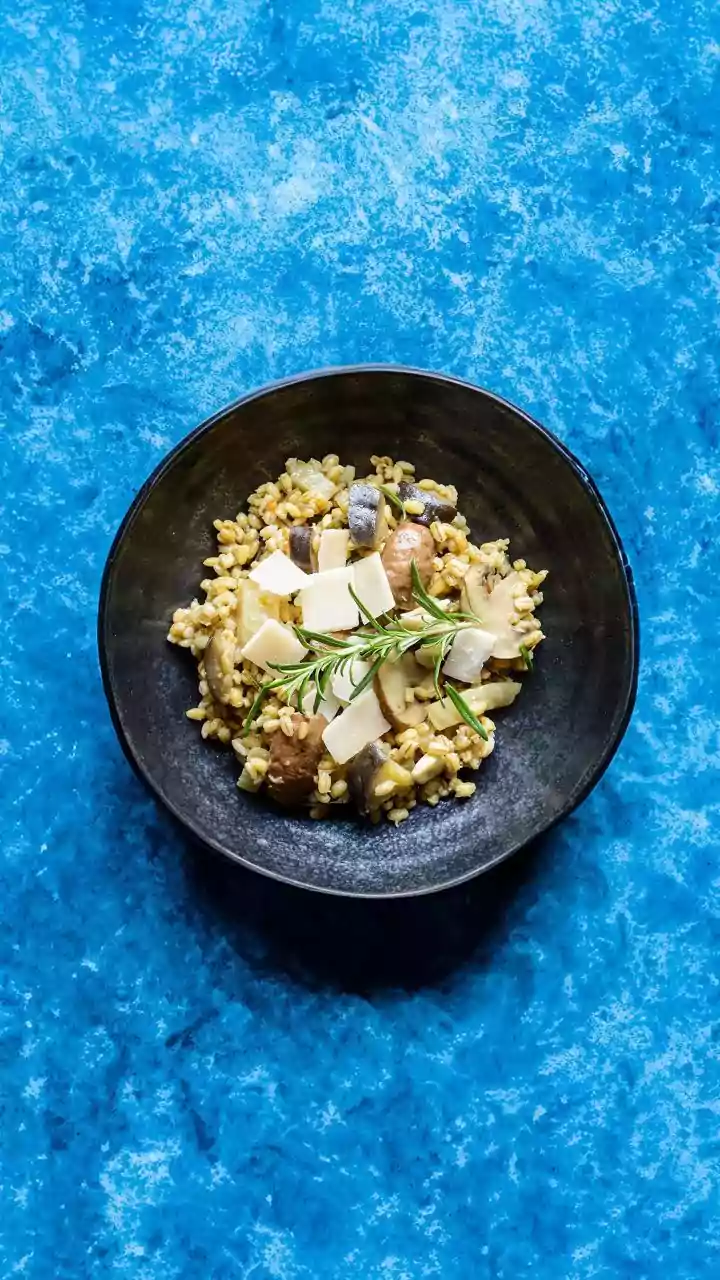
Barley is one of the oldest cultivated grains in Ethiopia and remains a beloved part of the cuisine. Known as 'gebs', it's appreciated for its wholesome, slightly chewy texture and nutty flavour. While not gluten-free, it is packed with fibre and nutrients. Its versatility is legendary, appearing in everything from roasted snacks to traditional meals. For breakfast, a classic Ethiopian dish is 'kinche', a simple and comforting porridge made from cracked barley, often seasoned with salt and a drizzle of oil or butter. Barley flour can be mixed with other flours to bake hearty breads like 'dabo'. For dinner, whole barley is a wonderful addition to hearty soups and stews, works beautifully as a bed for roasted vegetables or meats, or can be made into a flavourful pilaf.