




Why Monsoon Is a Double-Edged Sword
For plant lovers, the rainy season feels like a blessing. After the harsh summer, the cool air and steady rain promise vigorous growth. But for potted plants, this constant moisture can be treacherous. Unlike plants in the ground, container plants have
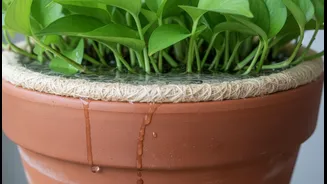
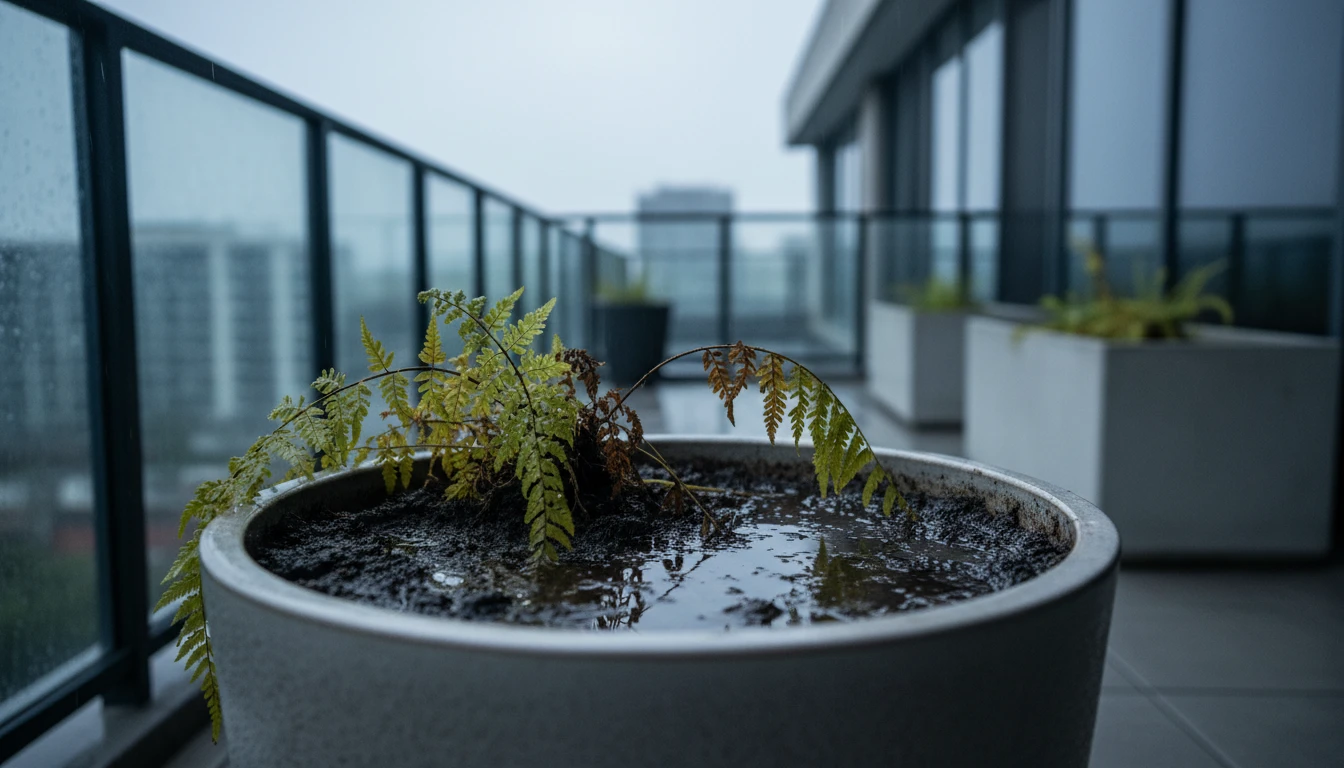
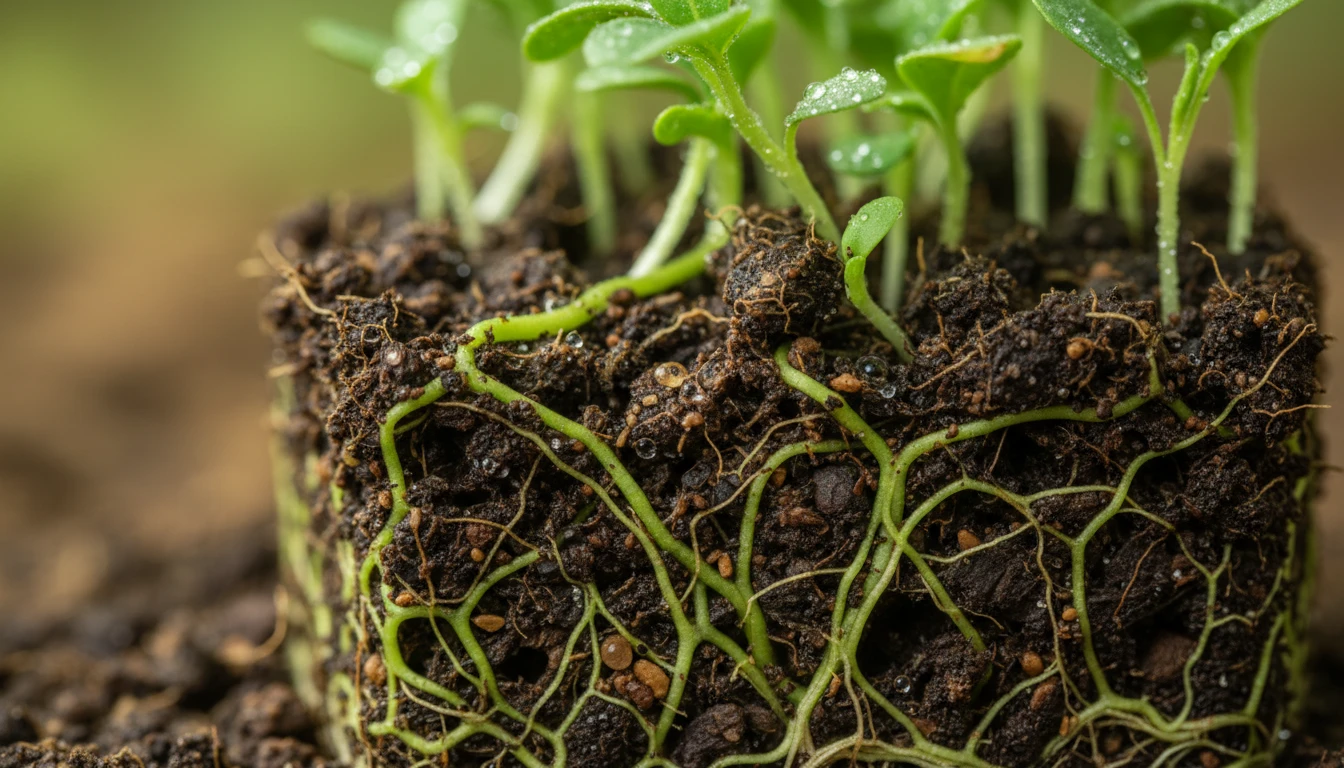
a limited space. When rain is constant and drainage is poor, the soil becomes completely saturated. This waterlogging pushes out the air pockets that roots desperately need to breathe. Without oxygen, roots begin to suffocate and die, creating the perfect anaerobic environment for harmful fungi and bacteria to multiply. This is the beginning of root rot, a condition that can quickly turn a thriving plant into a lost cause.
Wilting: The Great Deception
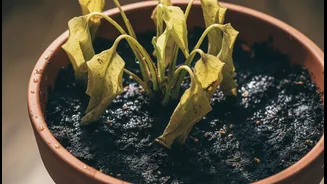
Instinctively, we associate wilting with thirst. A drooping plant makes us reach for the watering can. But during the monsoon, this is a fatal mistake. When roots are drowning and starting to rot, they lose their ability to absorb water and nutrients. The plant wilts not from a lack of water in the soil, but from its inability to drink it. This is why wilting is such a late-stage, deceptive symptom. Watering a wilting plant that’s already sitting in soggy soil only accelerates its demise. The real signs of trouble appear much earlier, and spotting them is the key to saving your plants.
The Real Early Warning Signs
To be a proactive plant parent this monsoon, you need to become a detective. Look past the wilting and watch for these subtle clues that signal a waterlogging problem: Yellowing Lower Leaves: One of the first signs is when the oldest leaves at the base of the plant start turning yellow. This happens because the damaged roots can no longer transport essential nutrients. Stunted Growth: Is your plant’s growth slowing down or stopping altogether during what should be a peak growing season? Struggling roots can't support the development of new leaves or flowers. A Foul Odour: If you get close to the pot and detect a sour, musty, or swampy smell, it’s a major red flag. This is the scent of decay from rotting roots and anaerobic bacteria in the soil. Fungus Gnats: These tiny, annoying black flies love to lay their eggs in consistently moist topsoil. Their presence is a clear indicator that your soil isn't drying out properly.
How to Check for Trapped Water
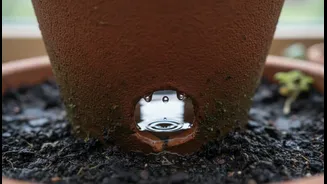
Don't just look at the topsoil, which can be misleading. You need to investigate deeper. The classic 'finger test' is your best friend: stick your finger about two inches into the soil. If it feels wet, hold off on watering. Another method is the 'lift test'. A pot saturated with water will be significantly heavier than one with properly moist soil. Finally, always check the drainage holes at the bottom of the pot. Are they blocked with compacted soil or roots? Is the pot sitting directly on the floor, preventing water from escaping? These simple physical checks can tell you everything you need to know about what’s happening beneath the surface.
A Proactive Monsoon Potting Strategy
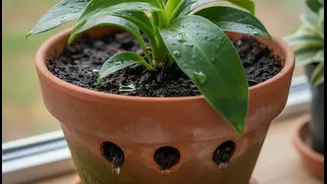
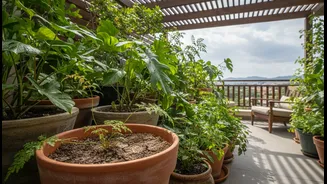
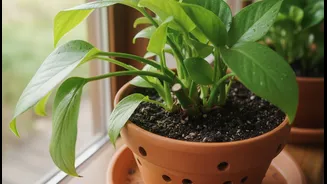
Prevention is far easier than cure. Before the heaviest rains set in, give your pots a monsoon makeover. First, ensure every pot has multiple drainage holes. If a pot doesn't have them, it's not suitable for outdoor use in the rain. Second, elevate your pots. Place them on bricks, pot feet, or a stand. This simple step creates an air gap, allowing water to drain freely and air to circulate under the pot. Third, assess your soil mix. Heavy garden soil holds too much water. A good monsoon potting mix should be light and airy. Create a blend using soil, cocopeat (for moisture retention without sogginess), and perlite or coarse sand (for drainage and aeration). This creates a medium that supports roots without drowning them.
Emergency Rescue for Rotted Roots
If you suspect root rot has already set in, you must act fast. Gently remove the plant from its pot and wash the soil from its roots. Healthy roots are typically firm and white or light tan. Rotted roots will be dark brown or black, mushy, and may even fall apart in your hands. Using a clean pair of scissors or pruners, carefully trim away every last bit of the soft, decaying roots. Be ruthless; leaving any rot behind will allow it to spread. Once you're left with only healthy root tissue, repot the plant in a clean pot with fresh, well-draining potting mix. Water it very lightly and place it in a spot with bright, indirect light to recover. Do not fertilise it until you see signs of new, healthy growth.