




The dream of international travel often begins with excitement, but for a growing number of people, it ends in frustration before a bag is even packed. A new report from the International Air Transport Association (IATA) confirms this rising barrier.
A Rising Tide of Frustration
According to IATA's 2026 Global Passenger Survey, a staggering 43% of potential international travellers have been discouraged from visiting a destination specifically because of its immigration requirements. This marks a significant jump from 33% in 2025, indicating that the problem is not only persistent but getting worse. The headline finding from the survey, which polled over 10,000 respondents across 200 countries, pinpoints the primary source of this deterrence. Among those put off by entry rules, 53% — or more than one in two — cited the sheer complexity of the process as the main reason. This far outweighs other concerns like cost and data privacy, which were each cited by only 17% of this group. The data paints a clear picture: it's not just about the money, but the mental energy and administrative burden required to navigate tangled visa systems.
What Does 'Complexity' Actually Mean?
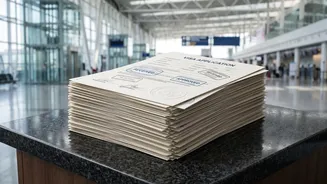
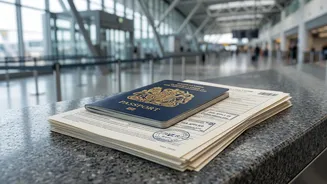
For travellers, 'complexity' is not an abstract concept. It translates into tangible obstacles like lengthy and confusing application forms, extensive documentation requirements, the need for in-person appointments at distant embassies or consulates, and a general lack of clarity on procedures and timelines. This administrative maze creates uncertainty and stress, turning what should be an exciting travel plan into a source of anxiety. The IATA report underscores that there's a major difference between a person's desire to visit a country and their willingness to endure the process required to get there. The survey found that while overall satisfaction with air travel is high at 87%, satisfaction with border control and immigration plummets to just 70%. This satisfaction gap highlights immigration as a key pain point in the modern travel experience.
The Economic Cost of Complication
When potential tourists or business travellers decide a destination is too much trouble, the economic consequences are significant. Countries with overly restrictive or complicated visa policies risk losing out on valuable tourism revenue, which affects everything from airlines and hotels to local attractions and restaurants. Studies have shown that simplifying visa procedures can lead to a substantial increase in visitor arrivals and spending. For example, India's introduction of an e-Visa system led to a 60% increase in issuance in a single year, contributing an estimated $15 billion to its economy through increased travel. Conversely, maintaining complex systems can cause a country to be perceived as unwelcoming, pushing travellers to choose more accessible, hassle-free alternatives. In a competitive global tourism market, a smooth entry process is a powerful economic tool.
A Clear Demand for Digital Solutions
While the problem is growing, so is the consensus on a solution: digitalization. Travellers are overwhelmingly in favour of moving these processes online. The IATA survey found that 60% of passengers prefer to apply for a visa online, compared to just 25% who would rather visit a consulate in person. Furthermore, 86% of travellers are willing to share their immigration information digitally before departure to speed up airport processes. E-visas and digital travel credentials offer a path forward, promising to reduce paperwork, shorten processing times, and lower costs for both travellers and governments. These systems allow applications from anywhere with an internet connection, improve security through real_time database checks, and create a much smoother passenger journey. More than 100 countries now offer e_Visas, but IATA notes that a lack of standardization in how these are verified remains a challenge.