


The Power of Texture and Light
In interior design, texture is the surface quality of a material. It's what you can feel, but it's also what you see. A smooth, glossy finish feels different from a rough, matte one, and this visual texture plays a huge role in how we perceive a room.
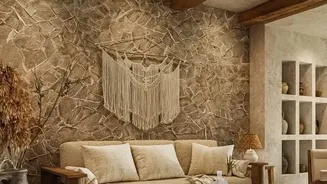
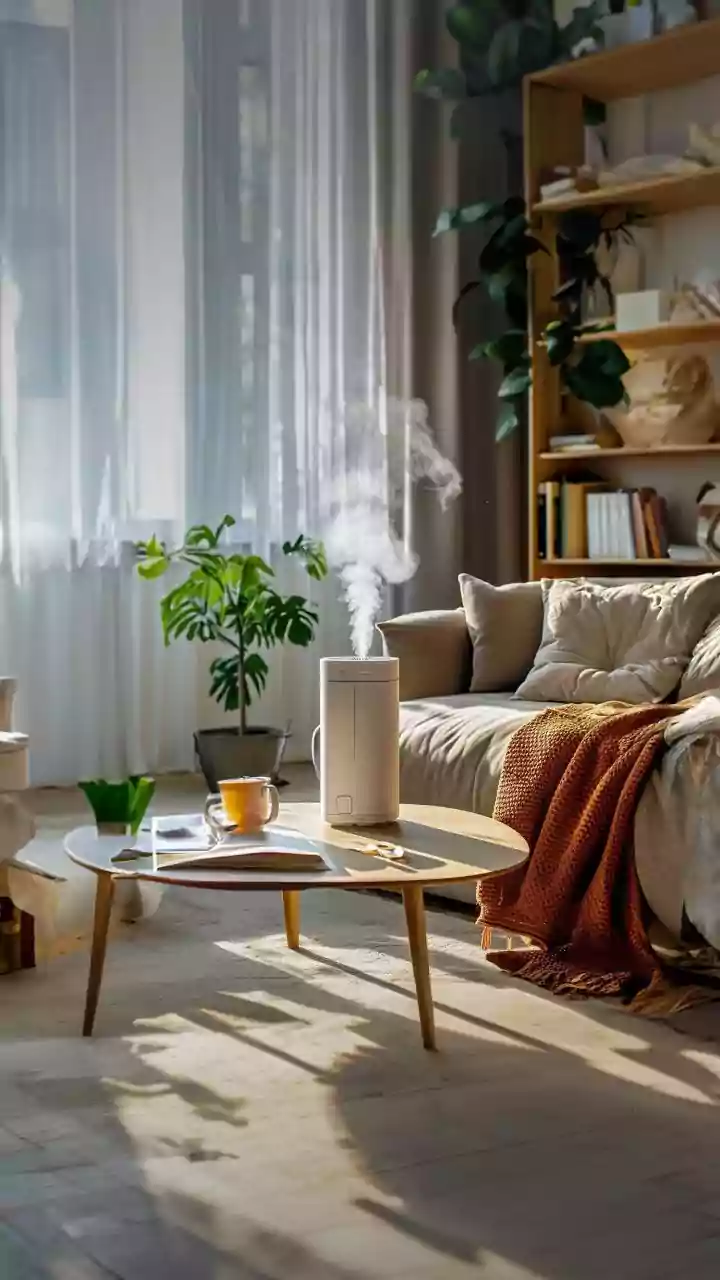
But texture doesn't exist in a vacuum. It needs light to come alive. The way light hits a surface—the angle, the intensity, the warmth—can either flatten its character or reveal its depth and detail in the most dramatic way. Think of a rustic stone wall; in flat, even light, it can look uninspired. But when lit from an angle, every crevice and imperfection casts a shadow, telling a story of its rugged origin. This interplay is what adds warmth, richness, and a sense of authenticity to a space.
Understanding the Right Light
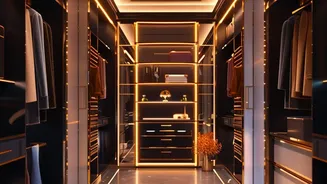
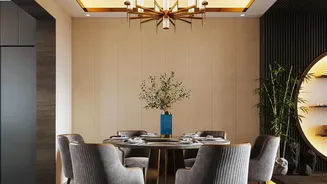
Not all light is created equal. To properly highlight texture, you need to think like a lighting designer. The first step is layering. A well-lit room combines three types of lighting: ambient (general illumination), task (for specific activities), and accent lighting, which is our hero for this story. Accent lights, such as spotlights or track lights, are used to draw attention to specific features. For texture, one of the most effective techniques is called 'light grazing'. This involves placing a light source close to a surface and aiming the beam at a steep angle. This technique makes tiny shadows pop, dramatically revealing the texture of materials like exposed brick, wooden panels, or 3D wall tiles.
Materials and Their Ideal Light Pairing
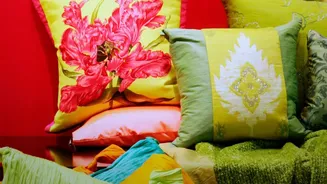
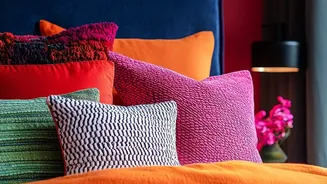
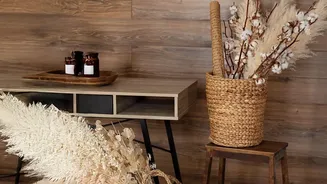
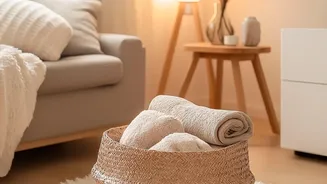
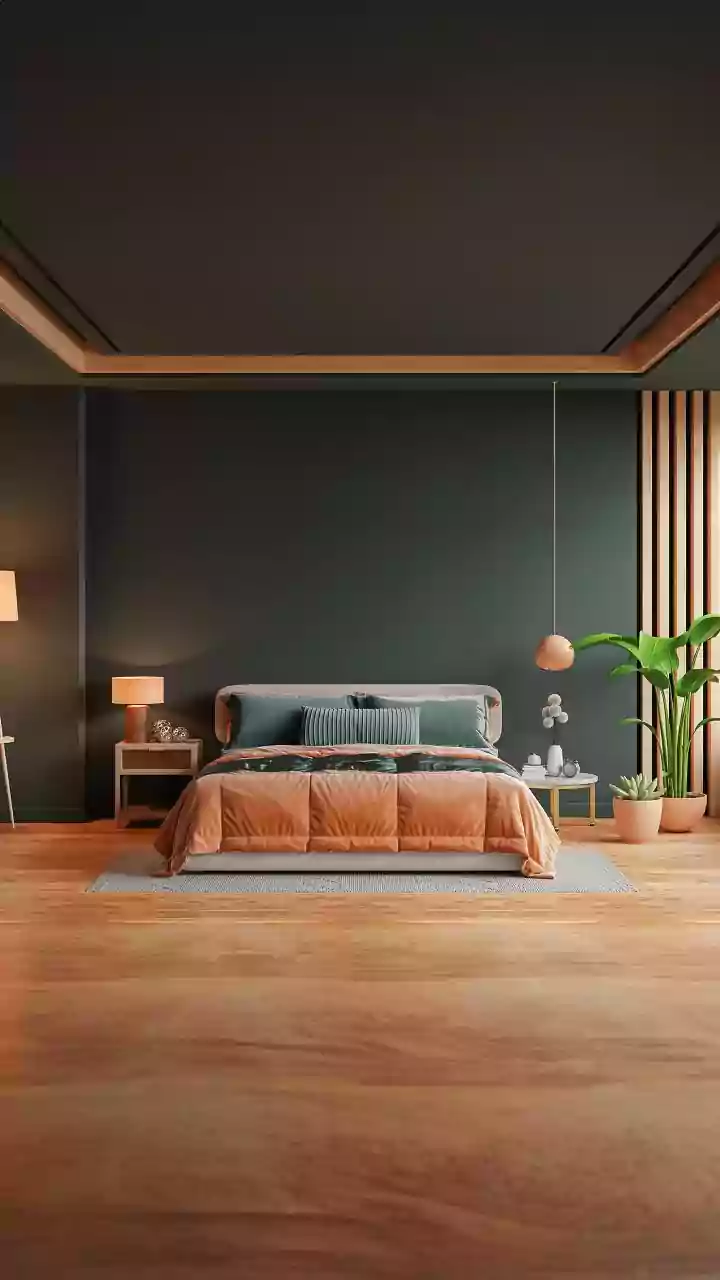
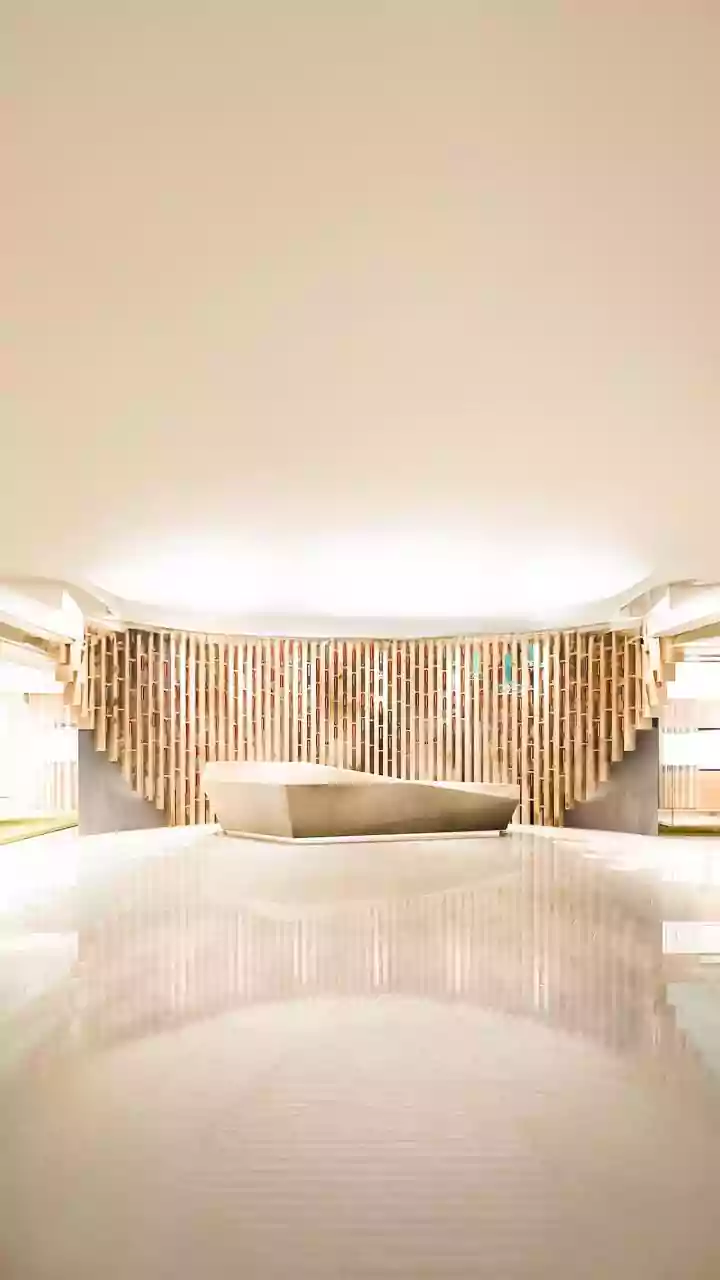
Different materials call for different lighting strategies. Your goal is to enhance, not overwhelm. For natural wood, with its unique grain and warmth, grazing light can bring out the beautiful patterns. A light source washing down a wooden wall or across a hardwood floor reveals the subtle peaks and valleys in the grain. For stone and brick, which are chosen for their character, angled light is essential. It turns a simple wall into a dynamic feature, full of depth and history. Even fabrics benefit from thoughtful lighting. A velvet curtain or a bouclé armchair will show off its soft, rich texture when hit by a directional lamp, inviting you to touch. For a more subtle effect on wallpaper or plastered walls, 'wall washing'—a technique that provides smooth, even illumination—can be used, though grazing is superior for pronounced textures.
Practical Tips for Your Home
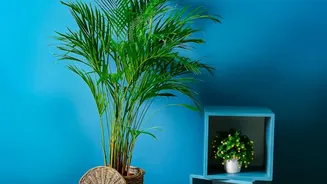
You don't need a complete renovation to apply these principles. Start by observing how light, both natural and artificial, interacts with surfaces in your home throughout the day. A simple, adjustable spotlight can be aimed at a textured piece of art or a plant to create a dramatic focal point. When lighting a textured accent wall, consider placing recessed ceiling lights about 30-40 cm away from the wall to create a gentle grazing effect. For colour temperature, a warm white light (around 2700K to 3000K) is generally best for living spaces, as it creates a cosy, inviting atmosphere that enhances the richness of most materials. Always opt for LED bulbs, as they don't emit damaging heat or UV rays that can harm artwork and textiles over time.