







Understanding the UDAN Scheme
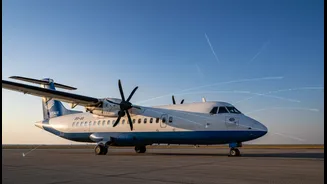
UDAN, which stands for Ude Desh ka Aam Nagrik ('Let the Common Citizen Fly'), was launched in 2016 to connect unserved and underserved airports. The idea was simple: make flying to and from smaller cities affordable. Airlines were given financial support,
known as Viability Gap Funding (VGF), to operate on these routes. In return, they had to offer a number of seats at a capped, subsidised price, often around ₹2,500 for a one-hour flight. This initiative led to a boom in regional connectivity, with hundreds of new routes connecting towns that were previously difficult to reach by air.
Why Routes Are Being Discontinued
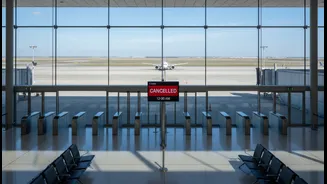
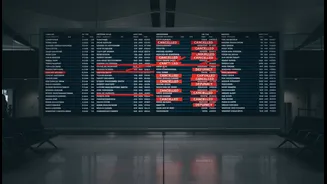
Despite its initial success, the scheme has hit significant turbulence. Recent data shows that of the routes made operational since 2017, commercial flights are currently running on only about half of them. The core issue is sustainability. The government's VGF support typically lasts for three years. Once that subsidy ends, many routes become commercially unviable for airlines, as passenger demand isn't high enough to sustain operations at market prices. Other contributing factors include a shortage of aircraft, maintenance issues, delays in making airports ready for service, and some regional airlines going out of business.
How to Check Your Route's Status
If you've booked a flight on a regional route, especially one operated by a smaller airline, it's wise to be proactive. First, regularly check your flight status on the airline's official website or app. Don't rely solely on the portal where you booked. Second, follow aviation news outlets and the airline's social media for announcements. Airlines are required to inform passengers of cancellations, but being watchful can give you an early warning. Finally, for an official overview, you can try to navigate the websites of the Ministry of Civil Aviation or the Airports Authority of India, though airline websites are your most direct source for real-time operational status.
Your Rights if a Flight or Route is Cancelled
If an airline cancels your flight, you have rights protected by the Directorate General of Civil Aviation (DGCA). The airline must offer you a choice between a full refund or an alternate flight at no extra cost. If the cancellation happens with little notice (typically less than two weeks), you may also be entitled to compensation in addition to the refund. For refunds, the airline must process the payment within seven days for credit card bookings and up to 14 or 20 days for other methods, even if you booked through a travel agent. If the airline doesn't comply, you can file a grievance on the government's AirSewa portal.
Exploring Travel Alternatives
If a crucial air route in your region is discontinued permanently, it's time to look at other options. This often means returning to traditional modes of transport like trains and buses. Check the Indian Railways website for train schedules and availability, as services may have been adjusted over time. For road travel, investigate state-run and private bus services, which often connect smaller towns more comprehensively than air routes. While it might mean longer travel times, these alternatives are often more reliable and less prone to sudden cancellations than commercially unviable flight routes.
The Future of Regional Flying
The government is aware of the scheme's shortcomings and is launching a revamped version called 'Viksit UDAN'. This new phase comes with a significantly larger budget of over ₹28,000 crore and extends the subsidy period for airlines from three years to five. The goal is to address the sustainability issues that plagued the first iteration of the scheme and develop a more robust regional aviation ecosystem. While this offers hope for the future, for now, passengers on existing UDAN routes should remain vigilant and prepared.