





The Impossible Standard of 'Authentic'
The term 'authentic' has long been a powerful gatekeeper in the food world. It’s a word loaded with the promise of a pure, unadulterated experience, a direct line to a culture’s culinary soul. Yet, this pursuit often creates a rigid cage, limiting creativity
for chefs and home cooks alike. The pressure to perfectly replicate a dish as a grandmother might have made it can stifle innovation and ignore a fundamental truth: cuisine is not a static artifact. Obsessing over a fixed idea of authenticity often leads to a 'purity test' mentality, where any deviation is seen as a failure rather than an evolution. This mindset can be particularly frustrating for diasporic communities, who have always adapted recipes based on available ingredients and new local tastes. The search for authenticity can become a way to feel connected to a place of origin, but it also creates the very conditions for food to evolve.
Food Has Always Been a Journey
A closer look at history reveals that the very notion of a 'pure' culinary tradition is largely a myth. Many of the dishes we now consider iconic and traditional are, in fact, the results of centuries of migration, trade, and adaptation. Tomatoes, a cornerstone of Italian cuisine, originated in the Americas. Chillies, inseparable from Indian food, were also an import. Cuisines have always evolved through cultural exchange. Immigrants travel with their culinary habits, acquiring new customs and adapting them to their new lives, creating a rich, two-way exchange. What we consider 'authentic' today is often just a snapshot in a long, dynamic history of borrowing and blending. The idea that recipes are fixed objects is a modern misconception; they have always been fluid, reflecting the journeys of people and ingredients across the globe.
Welcome to the Age of Adaptation
Today, a new generation of chefs is openly embracing this history of movement, leading to a trend some call 'third-culture cuisine'. This isn't the superficial fusion of the past, like 'chicken tikka pizza', which often lacked depth. Instead, it’s a confident and nuanced approach born from a complete immersion in different cultures. Chefs like Ixta Belfrage, with her Italian, Brazilian, and Mexican upbringing, create dishes like prawn and habanero lasagna, reflecting a personal story rather than a forced mashup. It’s a global movement, from Wafu Italian (Japanese-influenced Italian) to Korean-American comfort food, where chefs use their personal origins as a canvas for innovation. This approach, which celebrates how dishes organically evolve in diaspora communities, values deliciousness and personal narrative over any claim to a singular, 'correct' way of cooking.
A New Chapter for Indian Cuisine
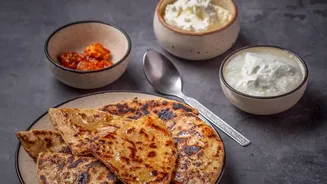
This global shift is powerfully reflected in modern India. For years, 'modern Indian' was often defined by performative spectacles like foams and liquid nitrogen. Today, a deeper confidence is taking hold. Chefs are moving away from explaining their food in Western terms—a thepla no longer needs to be called a 'savory flatbread' to be valued. They are diving into micro-regionality and celebrating provenance, where a specific heirloom grain is the new luxury. This new wave is about reimagining structure and technique while honouring flavour. A chef might use sous-vide to create an impossibly tender mutton curry or use modern methods to guarantee dishes remain relevant. This isn't about abandoning tradition, but having the confidence to experiment with it, creating food that is both rooted and revolutionary.
Why Flavour and Story Trump Pedigree
Ultimately, the shift from authenticity to adaptation is about judging food on its own terms. Does it taste good? Does it tell a compelling story? Clinging too tightly to the 'authenticity' of a recipe can prevent cultural exchange and discovery. In a globalised world, digital platforms can accelerate the spread of food trends, sometimes leading to standardisation. However, they also allow chefs to document heritage and create new conversations. The most exciting dishes today are not those that slavishly follow an ancient blueprint, but those that reflect a journey. They acknowledge their roots while embracing new influences, proving that a dish’s value lies not in a rigid claim to the past, but in its delicious, evolving present.