






Why Your Feet are Key to Balance
Think of your feet as the roots of a tree. They anchor your entire body. Each foot contains dozens of small 'intrinsic' muscles that help with stability, support your arches, and make constant micro-adjustments to keep you upright. With age, these muscles can
weaken, and the tissues in our feet can become stiffer, reducing our range of motion and the sensory feedback our brain receives. This decline can affect our balance and coordination, making falls more likely. By specifically exercising these muscles, you can improve foot strength, mobility, and your body’s overall stability. It’s a proactive step toward maintaining confidence in your movement.
Simple Exercises for a Stronger Foundation
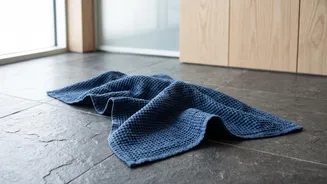
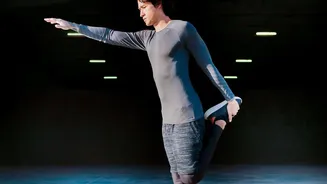
You don’t need a gym to strengthen your feet. These simple movements can be done at home, even while sitting in a chair. Always have a sturdy chair or wall nearby for support. 1. Ankle Circles: While seated, lift one foot off the floor. Slowly rotate your ankle in a clockwise circle 10 times, then counter-clockwise 10 times. This improves ankle flexibility and mobility. 2. Towel Curls: Sit in a chair with a small towel on the floor in front of you. Place your foot on the towel and use only your toes to scrunch and pull the towel toward you. This strengthens the small muscles on the bottom of your feet. 3. Heel and Toe Raises: Stand behind a chair, holding on for balance. Rise up onto your tiptoes, hold for a few seconds, and slowly lower your heels. Then, rock back onto your heels, lifting your toes off the floor. Repeat this sequence 10-15 times to strengthen your calves and shins, which are crucial for walking. 4. Single-Leg Stance: Holding onto a counter or chair, lift one foot off the ground and try to balance on the other for up to 30 seconds. As you get stronger, you can reduce your reliance on the support. This exercise directly trains your body for stability.
The Bigger Picture: Beyond the Feet
While foot exercises are beneficial, they are just one piece of the puzzle. True fall prevention is a holistic effort. According to experts, a comprehensive strategy should also include several other key factors. Firstly, core strength is essential; muscles in your abdomen and back help stabilize your entire body. Activities like walking, tai chi, or water workouts can improve overall strength, coordination, and flexibility, significantly reducing fall risk. Your environment also plays a huge role. Making simple home modifications like removing loose rugs, clearing walkways of clutter, and ensuring good lighting can prevent many accidents. Finally, regular check-ups are vital. Have your vision reviewed annually and discuss all your medications with your doctor, as some can cause side effects like dizziness that increase fall risk.
Creating a Sustainable Routine
The goal is consistency, not intensity. Incorporating these foot exercises into your daily routine—perhaps while watching television or brushing your teeth—is more effective than doing an intense workout once a week. Progress should be gradual. If you feel pain, stop. The aim is to build strength and confidence over time. Proper footwear is also part of this routine; shoes should be supportive, with low heels and non-slip soles. Avoid walking around in socks or loose slippers. By combining targeted foot exercises with a broader awareness of your health and surroundings, you create a robust strategy to stay active, secure, and independent for years to come.