





Skies Closed Over Western Indonesia
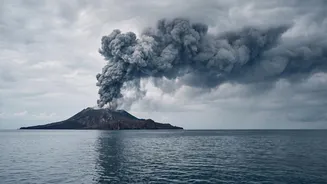
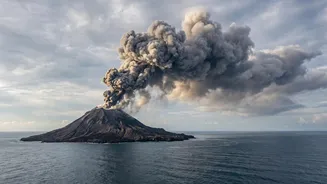
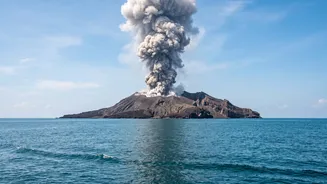
Travel plans for tens of thousands of people were abruptly halted after a major eruption at Mount Anak Krakatau, located in the Sunda Strait between Java and Sumatra, began late on September 4, 2026. The event prompted authorities to close at least eight
airports, including the capital's main hub, Soekarno-Hatta International Airport in Jakarta. Indonesian ministry officials reported that by Monday, September 7, the disruptions had affected more than 270,000 passengers, with over 1,500 flights cancelled or delayed. The primary eruption phase lasted for approximately 25 hours, ending early on September 6, but the volcano remains highly active. While the main eruptive burst has subsided, authorities warn that the potential for further eruptions remains high, and the volcano's alert level is being maintained at Level III, the second-highest tier.
The Science: Why Ash and Aviation Don't Mix
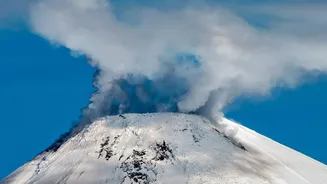
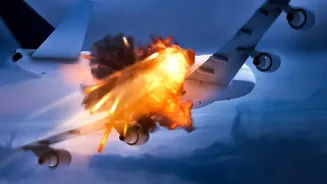
The reason for the widespread cancellations is volcanic ash, a severe and often invisible threat to modern aviation. Unlike the soft, fluffy ash from a fireplace, volcanic ash is composed of tiny, sharp particles of rock, minerals, and volcanic glass. These particles are incredibly abrasive, capable of sandblasting an aircraft's cockpit windows and damaging flight control systems. The most critical danger, however, is to jet engines. The operating temperature inside a modern jet engine is high enough to melt the silica in volcanic ash. This molten glass then resolidifies on cooler parts of the engine, such as the turbine blades, coating them in a ceramic-like layer that can disrupt airflow and lead to a complete engine flameout and failure. Because the ash clouds can drift for hundreds of kilometres and are hard to distinguish from regular weather clouds, aviation authorities enforce strict no-fly zones for safety.
Anak Krakatau: A Child of Fire
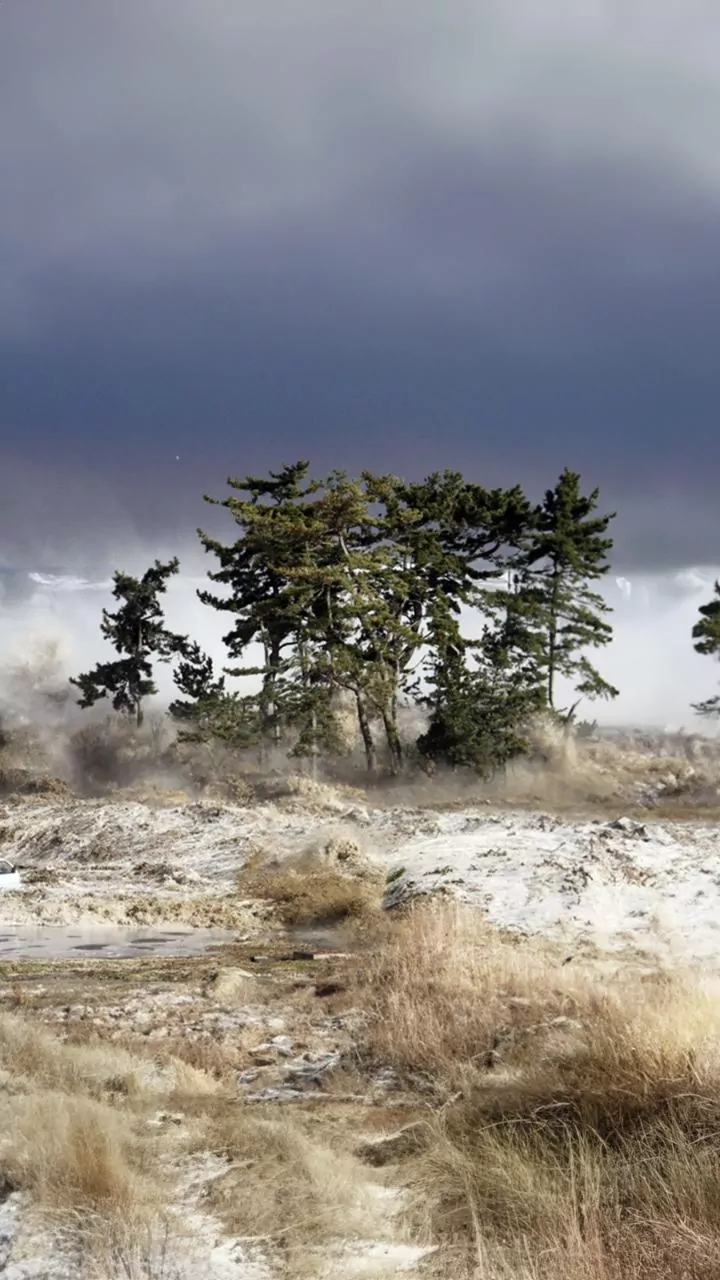
Anak Krakatau, which translates to "Child of Krakatoa," has a notoriously powerful parent. The volcano emerged from the sea in 1927 from the caldera left behind by the cataclysmic 1883 eruption of Krakatoa—one of the deadliest and most destructive volcanic events in recorded history. The 1883 eruption obliterated most of the original island and generated a tsunami that killed more than 36,000 people. Anak Krakatau has been growing and erupting periodically ever since. In December 2018, a major eruption caused a flank of the volcano to collapse into the sea, triggering another deadly tsunami that killed over 400 people along the coasts of Java and Sumatra. Indonesian authorities have confirmed that the current eruptive phase does not pose an imminent tsunami risk, as the volcano's current structure is not large enough to cause a collapse on the scale of the 2018 event.
What Happens Next For Travellers?
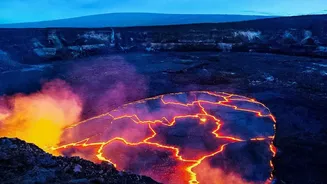
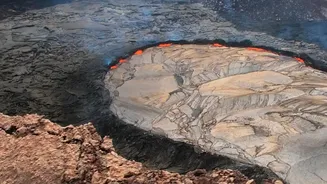
The situation remains fluid. While the most intense 25-hour eruption period has ended, smaller Strombolian eruptions—bursts of lava and rock—were recorded as recently as the morning of September 8. This indicates that the volcano remains in a highly active state. Indonesian officials have advised coastal residents to remain calm but vigilant and have urged people to wear masks to protect against ashfall. For travellers, the advice is clear: check directly with airlines for the latest flight status before heading to the airport. Airport closures and flight schedules are changing with little notice, based on the movement of the ash clouds. While some airports have begun to reopen as conditions permit, the backlog of cancelled flights and displaced passengers means that disruptions are likely to continue for several days.