





A Sweet Form of Soft Power
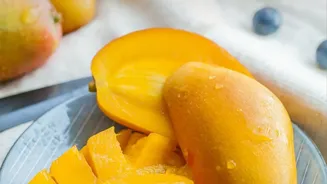
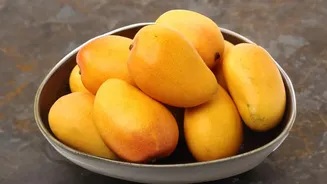
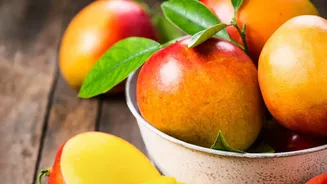
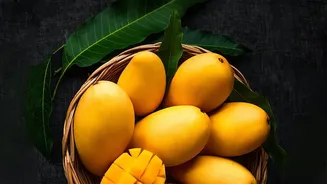
Mango diplomacy is the practice of using the seasonal fruit as a tool of 'soft power' to build goodwill, celebrate cultural ties, or even soothe strained relations between nations. For decades, India has gifted boxes of its finest varieties, like the Alphonso
and Kesar, to heads of state and foreign dignitaries. This tradition dates back to the era of Prime Minister Jawaharlal Nehru, who famously used mangoes to charm world leaders like Chinese Premier Chou En-Lai during the 1955 Bandung Conference. The perishable and seasonal nature of the fruit makes it a special, high-value gift, signifying a genuine effort to foster a positive relationship. These gestures are often the sweet prelude to tougher conversations about trade, security, and strategic partnerships.
The Challenge of Trade
While gifting mangoes builds goodwill, turning that warmth into market access is where diplomacy gets complicated. For years, many countries, including the United States and Japan, banned Indian mangoes due to biosecurity concerns, fearing the introduction of pests like fruit flies. Overcoming these barriers has been a long-standing diplomatic objective for India, which produces nearly 40% of the world's mangoes. The breakthrough with the US in 2007 was a landmark case. After then-President George W. Bush famously praised an Alphonso mango during a visit, the US lifted its long-standing ban. This was part of a larger negotiation that reportedly saw India ease restrictions on the import of Harley-Davidson motorcycles, showcasing how the fruit can become a bargaining chip in much larger trade deals.
The Science of Treatment
The key to unlocking these lucrative foreign markets lies in 'treatment'—a set of non-negotiable phytosanitary protocols to ensure the fruit is pest-free. This isn't just about washing the fruit; it's a highly technical process monitored by government agencies. For mangoes to enter the US, they must undergo irradiation, where they are exposed to a low dose of gamma rays to neutralize any pests without affecting the fruit's quality. This process is strictly overseen by the USDA's Animal and Plant Health Inspection Service (APHIS). Other markets have different rules. For exports to Europe or Japan, the required method is often Hot Water Treatment (HWT) or Vapour Heat Treatment (VHT). A major bottleneck for India's export ambitions is the lack of sufficient and strategically located treatment facilities, which limits the volume of mangoes that can be processed and shipped during the short harvest season.
The Art of Timing
Timing is everything in diplomacy, and the mango is no exception. The fruit's seasonality means gifts are an annual affair, helping to regularly reinforce diplomatic ties. However, the timing of these gestures is also highly strategic. Consignments of mangoes often arrive just before major state visits, during sensitive negotiations, or as a gesture to mend fences. For example, Bangladesh frequently sends prized Haribhanga mangoes to Indian leaders to maintain strong regional ties. The annual mango festivals hosted by Indian embassies in cities like Washington D.C. and Tokyo are timed to coincide with the peak season, creating a cultural buzz that promotes Indian heritage and, just as importantly, opens doors for Indian exporters to meet international buyers. This blend of cultural celebration and commercial promotion is the essence of mango diplomacy in action.