
What Makes Ragi a Superfood?
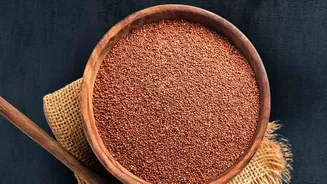
Ragi, also known as finger millet, is a gluten-free grain that has been a staple in parts of India for thousands of years. Its resurgence in popularity is well-deserved. It's a nutritional powerhouse, boasting higher levels of calcium than most other
cereals, making it excellent for bone health. Ragi is also rich in dietary fibre, which aids digestion, helps in weight management by keeping you fuller for longer, and can assist in regulating blood sugar levels. Furthermore, it is a good source of iron and protein, making it a fantastic addition to vegetarian and vegan diets. Its high antioxidant content also offers benefits for skin health.
The Savoury Classic: Ragi Dosa
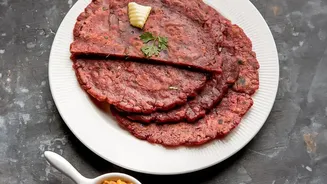
One of the most popular ways to enjoy ragi is in the form of a dosa. These thin, crispy crepes can be made in two ways: instantly or through fermentation. The instant version involves mixing ragi flour with rice flour, semolina, and water to create a thin batter, much like a rava dosa. For a more traditional approach, whole ragi or ragi flour can be soaked with urad dal, ground, and fermented overnight. Both methods yield a delicious, earthy-flavoured dosa that pairs perfectly with coconut chutney and sambar. It's a fantastic, healthy alternative to the usual rice-based dosa.
The Hearty Staple: Ragi Mudde
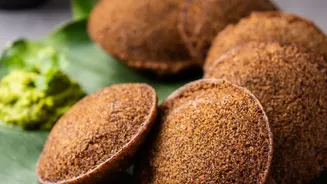
A traditional dish from Karnataka, ragi mudde consists of soft balls made from just two ingredients: ragi flour and water. These nutritious, dough-like balls are known for their simplicity and health benefits. To prepare, ragi flour is cooked in boiling water until it forms a thick, smooth consistency, which is then shaped into balls. Ragi mudde is typically served hot with a flavourful curry, lentil soup (sambar or saaru), or a dish made with greens called 'soppu saaru'. It’s a wholesome meal that provides sustained energy, making it a favourite in rural communities.
The Comforting Breakfast: Ragi Malt
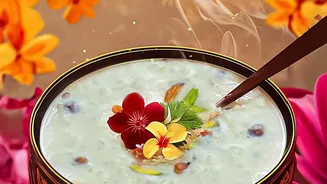
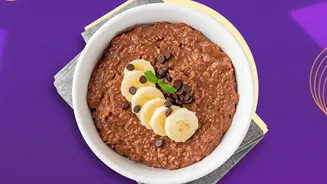
Ragi malt, or ragi porridge, is a warm and comforting dish perfect for breakfast. It can be prepared in both sweet and savoury versions. For a sweet malt, ragi flour is cooked with water or milk and sweetened with jaggery, then often flavoured with cardamom. The savoury version involves cooking the ragi flour in water with a pinch of salt, and then mixing in buttermilk or yogurt once it cools down. This versatile porridge is not only easy to make but also highly nutritious, providing a great start to the day for both adults and children.
The Everyday Essential: Ragi Roti
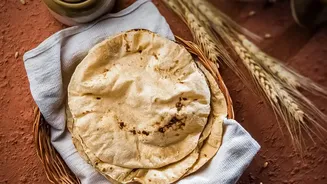
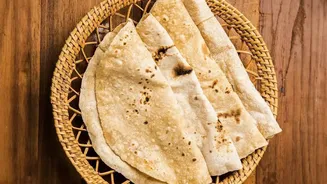
Swapping regular wheat rotis for ragi rotis is an easy way to incorporate this healthy millet into your daily meals. These flatbreads are made by kneading ragi flour with hot water, which makes the dough soft and easy to roll out. For added flavour and nutrition, you can mix in finely chopped onions, chillies, and fresh coriander leaves. Ragi rotis have an earthy taste and a soft texture, serving as a perfect accompaniment to dal, sabzi, or any curry.
The Guilt-Free Treat: Ragi Cookies and Halwa
Ragi's slightly malty flavour makes it an excellent ingredient for healthy desserts. Ragi cookies are a popular choice, often made by combining ragi flour with whole wheat flour, ghee, and a natural sweetener like jaggery. These cookies are delightfully crisp and make for a perfect guilt-free snack. Another sweet option is ragi halwa, a rich dessert made by roasting ragi flour in ghee and then cooking it with milk and sugar or jaggery until it thickens. Flavoured with cardamom, this halwa is both delicious and packed with the goodness of finger millet.