



The Perfect Antidote to the Heat
In the landscape of frozen desserts, ice cream often gets all the attention. But on a sweltering Indian summer day, its rich, creamy nature can sometimes feel a bit heavy. This is where sorbet truly shines. At its core, sorbet is a simple mixture of fruit
and sugar, churned and frozen to perfection. Because it contains no dairy, its flavour is cleaner and more intense. Lemon sorbet is the quintessential classic, celebrated for its ability to cut through richness and act as a palate cleanser or a wonderfully light dessert on its own. The vibrant, zesty punch of fresh lemons provides an instant cooling sensation that is both sophisticated and deeply satisfying.
Gathering Your Simple Ingredients
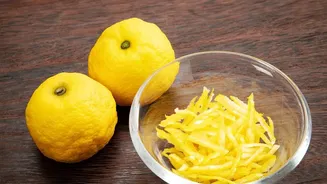
The beauty of this recipe lies in its simplicity. You don't need a long list of additives or special ingredients—just a few kitchen staples. The quality of your lemons will make all the difference, so choose ones that feel heavy for their size, which indicates they are full of juice. Here’s what you’ll need: 2 cups water 1.5 cups granulated sugar (you can adjust to taste) 1 cup freshly squeezed lemon juice (from about 4-6 large nimbu) 1 tablespoon fresh lemon zest
The Step-by-Step Method
Making sorbet is fundamentally about creating a stable sugar syrup and combining it with your fruit flavouring. This process ensures a smooth, scoopable texture rather than a block of hard ice. 1. Make the Simple Syrup: In a medium saucepan, combine the water and sugar. Heat over medium flame, stirring occasionally, until the sugar has completely dissolved. This should take about 5 minutes. You don't need to boil it for long; just ensure it's fully dissolved. 2. Infuse and Cool: Remove the saucepan from the heat. Stir in the lemon zest. This step infuses the syrup with the aromatic oils from the lemon peel, adding another layer of flavour. Let the syrup cool completely to room temperature. This is a crucial step; adding lemon juice to hot syrup can affect the final flavour. 3. Combine and Chill: Once the syrup has cooled, stir in the freshly squeezed lemon juice. For the best results, cover the mixture and chill it thoroughly in the refrigerator for at least an hour or two. A well-chilled base freezes more evenly.
Freezing: Two Paths to Perfection
The final step is freezing, and you can achieve a great result with or without a special machine. With an Ice Cream Maker: This is the easiest method. Simply pour your chilled lemon mixture into the bowl of your ice cream maker and churn according to the manufacturer's instructions, typically for 20-30 minutes. The machine churns air into the base while freezing it, breaking up ice crystals to create a smooth texture. Once it reaches a soft-serve consistency, transfer it to a freezer-safe container and freeze for another 2-4 hours until firm. Without an Ice Cream Maker (No-Churn Method): Pour the chilled mixture into a shallow, metal or glass container (a loaf pan works well). Place it in the freezer. Every 30-45 minutes for the next 3-4 hours, use a fork or a whisk to vigorously scrape and stir the mixture. This manual process breaks up the large ice crystals as they form, mimicking the action of an ice cream maker. The more frequently you stir, the smoother your sorbet will be. After the final stir, let it freeze until firm.
Tips for a Flawlessly Smooth Sorbet
Getting that perfect, non-icy texture is the ultimate goal. The sugar-to-water ratio is key; too little sugar results in an icy block, while too much can make it slushy. Don't be tempted to drastically reduce the sugar, as it's essential for the texture. Using fresh lemon juice is non-negotiable; bottled juice simply lacks the bright, zesty flavour that makes this dessert sing. Before you serve, let the container sit on the counter for 5-10 minutes. This will soften it just enough for easy scooping.
Creative Twists with an Indian Touch
Once you've mastered the basic lemon sorbet, feel free to experiment. For a uniquely Indian flavour profile, consider making a sorbet with sweet lime (mosambi) juice for a milder, sweeter taste. You could also infuse the simple syrup with a few sprigs of fresh mint (pudina) or a small slice of ginger for a spicy kick, creating a flavour reminiscent of a refreshing shikanji. Some recipes even call for a hint of black salt (kala namak) or roasted cumin powder to add a savoury, tangy dimension that works beautifully with the citrus.