




Understanding the Unwanted Guests
The first step in pest prevention is knowing your adversary. Common pantry invaders in India include the Indian meal moth, rice weevils, and various flour beetles. These creatures aren't a sign of a dirty home; they often hitch a ride from the grocery
store, hiding as tiny eggs or larvae inside paper, cardboard, or thin plastic packaging. The adult moths or beetles you see are often just the most visible sign of an infestation, while their larvae are the ones that cause damage by feeding on and contaminating your food with webbing and waste. They thrive on a wide array of dry goods, including grains, flour, cereals, spices, nuts, and even dried fruit.
The Allure of an Open Buffet
Pantry pests are driven by basic survival instincts: they need food and a suitable environment to breed. Forgotten packets of flour, half-eaten boxes of crackers, and small spills create a paradise for them. Crumbs that fall into crevices or collect on shelves are a feast. But it's not just about solid food. Moisture and humidity are powerful attractants, making your pantry feel like the warm, tropical climates many of these pests originate from. High humidity provides the water they need to survive and can even encourage the growth of mould, another food source for some insects. This combination of accessible food and moisture creates the perfect breeding ground, allowing populations to grow rapidly.
Your Best Defence: Airtight Containers
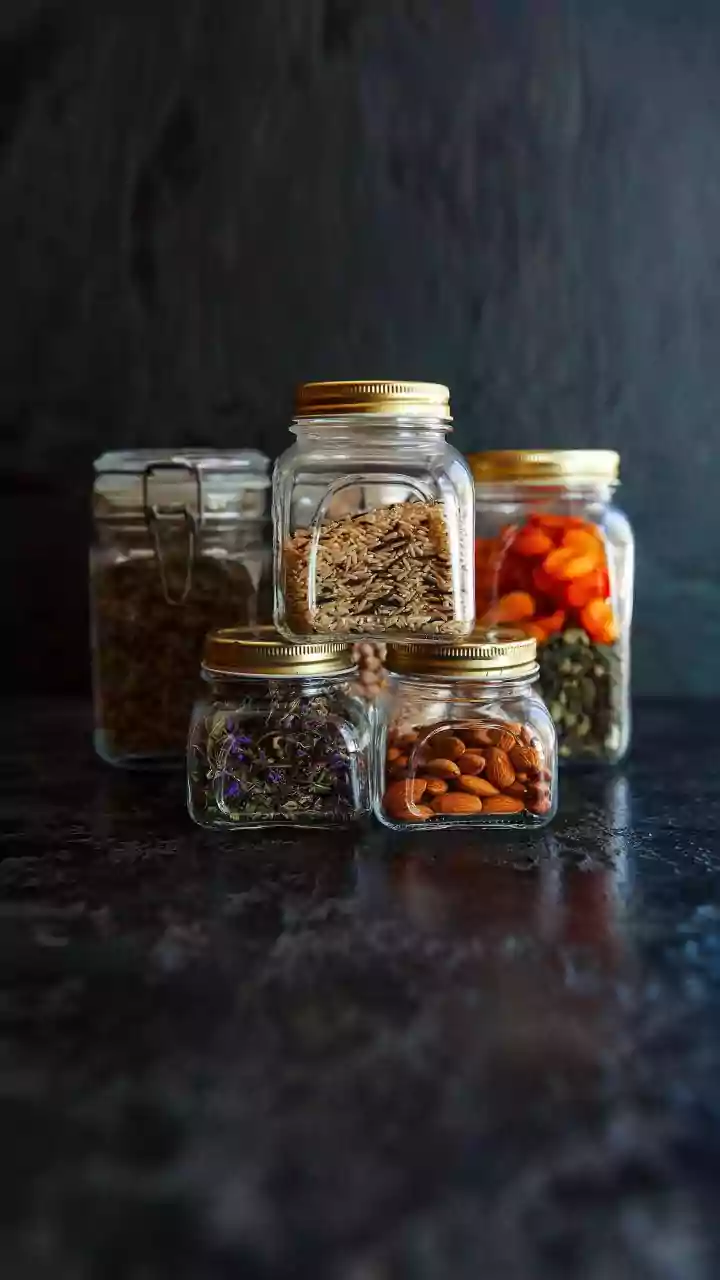
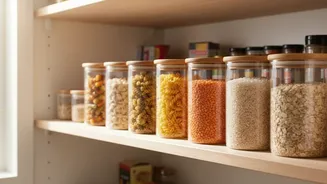
The single most effective way to stop pests is to cut off their food supply. This is where airtight containers become your pantry's greatest asset. Most pests can easily chew through paper, cardboard, and thin plastic bags. Transferring your dry goods into containers made of thick plastic, glass, or metal immediately creates a physical barrier they cannot penetrate. Look for containers with silicone gaskets or clamp-style lids to ensure a truly airtight seal, which not only blocks entry but also traps food odours that attract pests in the first place. Decanting items like flour, rice, pasta, and spices as soon as you bring them home is a crucial habit. It isolates any potential hitchhikers and prevents a small problem in one bag from spreading throughout your entire pantry.
The Power of a Clean Slate
A clean pantry is a pest-unfriendly pantry. Regular cleaning removes the stray crumbs and spills that serve as an open invitation. This goes beyond a quick wipe. At least a few times a year, empty the pantry completely. Take everything out and vacuum the shelves, paying close attention to corners, cracks, and crevices where food particles can hide. Wiping surfaces with a solution of vinegar and water can help remove lingering food odours. This is also the perfect opportunity to check expiration dates and get rid of old or forgotten food items that are more likely to harbor pests. Adopting a "first in, first out" system—placing newer items at the back and older ones at the front—ensures you use food before it has a chance to become a target.
Creating a Dry and Uninviting Environment
Since moisture is a key attractant, keeping your pantry dry is critical, especially in humid climates. Ensure the area has good ventilation and avoid storing any liquids that could spill. If you notice condensation or a damp feeling, it might be worth using a dehumidifier to maintain indoor humidity levels between 40% and 50%, which is less appealing to most insects. You can also employ natural deterrents. Bay leaves, for instance, have been used for generations to repel pests; simply place a few dried leaves in your containers of flour and grains or on the shelves. A clean, dry, and well-sealed pantry creates an environment where pests simply cannot thrive.