



The Purist’s Perspective: A Ritual of Taste
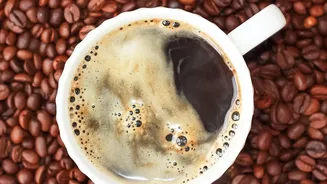
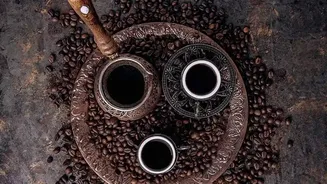
For purists, coffee is a beverage to be respected, not decorated. This viewpoint has deep historical roots, stretching back to coffee's origins in Ethiopia and its role in Middle Eastern social life, where it was a symbol of hospitality. The focus has always
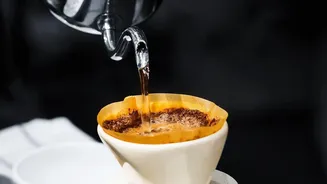
been on the inherent qualities of the bean. This philosophy was amplified by the “third wave” coffee movement, which began in the late 20th century. This movement treats coffee like fine wine, emphasizing single-origin beans, specific growing regions, and meticulous brewing methods. For its followers, adding excessive milk, sugar, or syrup is seen as masking the coffee's true character—the subtle notes of fruit, chocolate, or flowers that a high-quality bean and a skilled roast can produce. It's an experience centered on appreciating the craft and complexity of the coffee itself.
The Sweet Tooth’s Stand: Coffee as Comfort
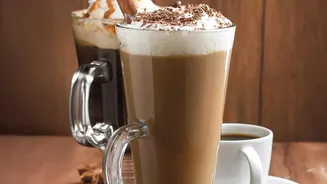
On the other side of the counter are those who see coffee not as a rigid craft but as a versatile canvas for flavour and comfort. This approach gained mainstream momentum with the rise of “second wave” coffee shops like Starbucks, which transformed coffee from a simple drink into a customizable experience. These establishments introduced a wide vocabulary of espresso-based drinks like lattes and cappuccinos, which were initially developed to make strong espresso more palatable to a wider audience. For many, coffee is as much about the comforting warmth of steamed milk or the joyful indulgence of a sweet syrup as it is about the caffeine. This perspective views coffee as a treat and a form of self-expression, where the perfect drink is the one that brings the most personal enjoyment, regardless of a bean’s origin story.
It’s Not Just Taste, It’s Biology
The divide isn't purely cultural; biology plays a significant role. Research has shown that genetics influence how we perceive bitterness. Some individuals have a heightened sensitivity to bitter compounds, making black coffee unpalatable without the softening effects of milk and sugar. Interestingly, other studies suggest that people who prefer black coffee may have a genetic variant that allows them to metabolize caffeine faster. These individuals learn to associate the bitter taste with the positive psychoactive effects of caffeine, reinforcing their preference. In this light, the choice is less about being a connoisseur and more about individual body chemistry and learned associations.
Two Worlds, One Shared Ritual
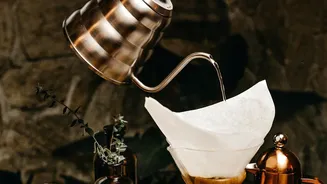
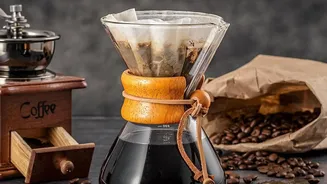
Ultimately, the tension between coffee purists and sweet-coffee fans is a clash of identities. One side champions the identity of the coffee itself—its origin, its roast, its unadulterated flavour profile. They find satisfaction in the ritual and precision of brewing. The other side champions the identity of the drinker—their personal taste, their mood, and their desire for comfort and creativity. One sees coffee as a product to be appreciated for what it is; the other sees it as an ingredient for what it can become. Both approaches are valid expressions of coffee culture, which has always been about fostering community and personal ritual.