

A Protective Shield Is Vanishing
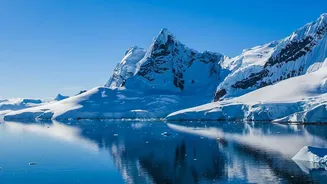
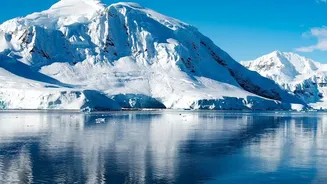
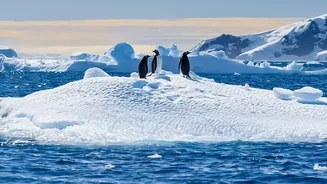
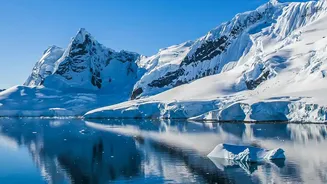
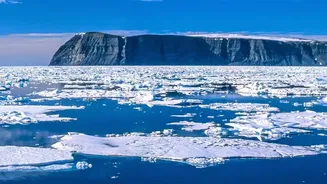
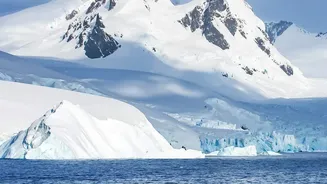
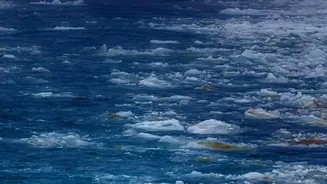
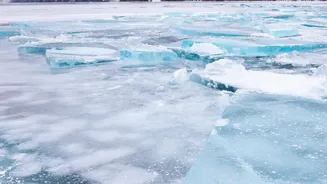
Think of Antarctic sea ice as a vast, floating shield. This layer of frozen ocean water forms each winter and partially melts in the summer. Crucially, it wraps around the continent, absorbing the energy of ocean waves and storms. But this shield is shrinking
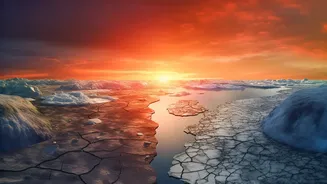
at an alarming rate. Recent years have seen repeated record lows for sea ice extent, both in summer and winter. According to the latest data from September 2026, the winter maximum sea ice extent was the third-lowest on record, continuing a trend of historically low coverage that scientists are calling a fundamental change in the system. Much of the Antarctic coast is now open water for longer periods, leaving the far more significant ice shelves defenceless against the power of the Southern Ocean.
Why Ice Shelves Are So Important
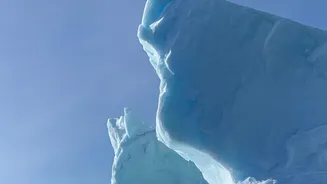
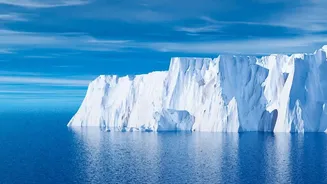
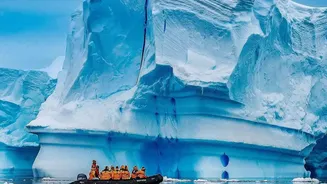
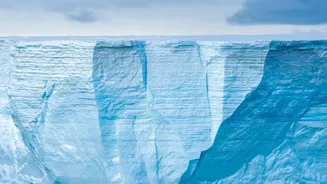
It’s vital to distinguish sea ice from ice shelves. While sea ice is frozen seawater that floats on the ocean, ice shelves are massive, thick plates of freshwater ice that flow from the land and float on the sea at the continent's edge. They act like giant plugs or brakes, buttressing the colossal glaciers and ice sheets on the land behind them. By slowing the flow of this land-based ice into the ocean, ice shelves play a critical role in regulating global sea levels. Their collapse doesn't directly raise sea levels much, as they are already floating. However, their disappearance is like opening a floodgate, allowing land-based glaciers to accelerate their slide into the ocean, which has catastrophic implications for sea level rise.
The New Threat: Waves Battering the Gates
Without the sea ice buffer, ocean waves, including powerful swells that travel thousands of kilometres, can now directly strike the edges of these vulnerable ice shelves. Scientists compare the sea ice to a car's bumper; without it, every impact causes damage. This constant flexing and bending from wave action can widen existing fractures and create new ones, weakening the shelf's structural integrity. Studies have documented how prolonged periods of low sea ice occurred before several major ice shelf collapses, such as the Larsen B disintegration in 2002. Researchers believe this wave-induced stress is a critical trigger that, when combined with warming from the atmosphere above and ocean below, can initiate a rapid, runaway collapse.
A Ripple Effect Across the Globe
What happens in the remote, icy expanse of Antarctica does not stay there. The stability of its ice shelves is directly linked to the fate of coastal communities around the world, including in India. The West Antarctic Ice Sheet, which is considered particularly unstable, contains enough ice to raise global sea levels by over 10 feet. The accelerated flow of glaciers from this region, should its protective ice shelves fail, would be a primary driver of future sea level rise. Scientists are racing to understand how sensitive the system is to this new wave-driven threat, with one expert noting that the system is changing faster than our understanding of it. The loss of reflective white ice also means the darker ocean absorbs more heat, creating a feedback loop that further warms the region and makes it harder for sea ice to recover.