





Involve Them in the Kitchen
One of the most effective ways to encourage children to try new foods is to let them help prepare them. This hands-on experience gives them a sense of ownership and pride. Let them wash the bhindi, shell peas, or arrange sliced tomatoes on a plate. Even
simple, age-appropriate tasks like stirring or filling a measuring cup can spark curiosity. When children are involved from the start—from picking vegetables at the market to the final preparation—they are often more willing to taste the results of their hard work. This approach helps them become familiar with different vegetables, reducing the intimidation factor of seeing something new on their plate.
Presentation is Everything
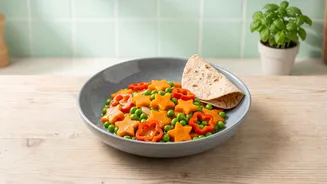
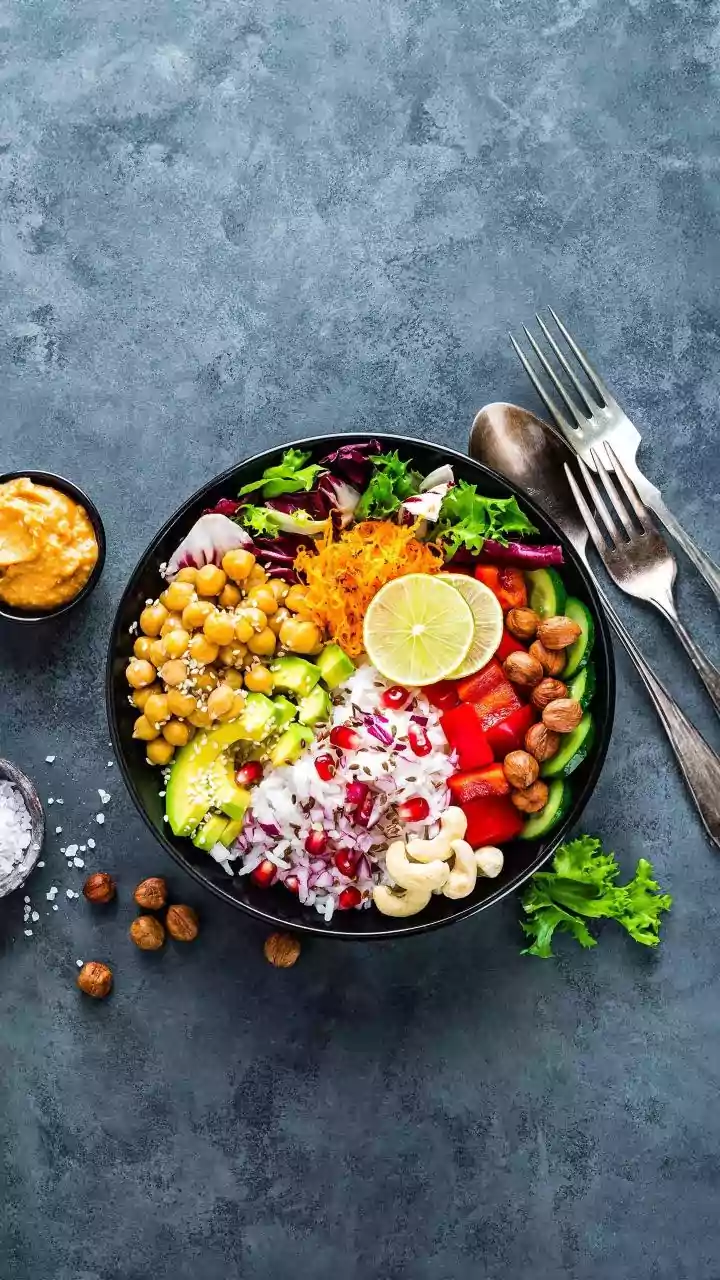
Children are highly visual, and how food looks can be just as important as how it tastes. Instead of a simple pile of greens, turn vegetables into an art project. Use cookie cutters to create fun shapes like stars or hearts from cucumbers and beetroots. Arrange different coloured vegetables into a rainbow on their plate or create a funny face using cherry tomatoes for eyes and a capsicum strip for a smile. This technique, sometimes called food art, makes mealtime interactive and can entice even reluctant eaters to take a bite.
The Power of Dips
Never underestimate the appeal of a good dip. Many children who turn their nose up at plain vegetable sticks will happily munch on them when paired with a tasty dip like hummus, yogurt-based raita, or a simple cheese sauce. Offering a variety of dips can make eating vegetables more interactive and enjoyable. The simple act of dipping can transform a mundane carrot or cucumber stick into a fun and flavourful treat, encouraging them to eat more than they otherwise would.
Give Vegetables Fun Names
A little imagination can go a long way. Turn broccoli florets into “little trees” or “superhero trees” that give them power. Carrot sticks can become “X-ray vision wands,” and a mix of colourful bell peppers can be “rainbow sticks.” Creating stories or themes around the food makes the experience more adventurous and less like a chore. This playful approach helps build positive associations with vegetables, making children more excited to see them on their plates.
Lead by Example
Children learn by observing the adults around them. If parents show enthusiasm for eating vegetables and incorporate them into their own meals regularly, children are more likely to follow suit. Make it a point to eat together as a family and talk positively about the food. Comment on the crunchiness of a carrot or the sweetness of roasted bell peppers. When vegetables are a normal and enjoyed part of the family’s diet, children are more likely to accept them without a fuss.
Pair New with Familiar
Introducing a completely new vegetable can sometimes be overwhelming for a child. A gentle way to broaden their palate is to serve a small portion of a new vegetable alongside a food they already know and love. For example, add a few pieces of roasted sweet potato next to their favourite chicken dish or mix finely chopped spinach into their regular dal. This strategy makes the new food seem less intimidating and increases the chances they’ll give it a try. The goal is repeated, positive exposure without pressure.