






Why Your First Meal Matters
After an overnight fast, your body's fuel tank is low. Breakfast is the meal that 'breaks the fast', replenishing your glucose levels and kick-starting your metabolism. Eating a balanced meal in the morning helps regulate your blood sugar and cortisol
(the stress hormone), which is naturally high when you wake up. This sets a stable metabolic rhythm for the entire day, preventing the sharp energy dips and cravings that often strike mid-morning. Think of it as providing essential fuel for both your brain and muscles to function optimally from the get-go.
The Power Trio: Protein, Carbs, and Fats
A truly 'balanced' breakfast isn't about one magic ingredient, but a combination of three key macronutrients. Protein is crucial for satiety; it digests slowly, helping you feel full and satisfied for hours. It also helps keep blood sugar stable, preventing the dreaded energy crash. Complex carbohydrates, found in whole grains like oats or whole-wheat bread, provide a steady, slow release of energy, unlike the quick spike and fall from sugary options. Lastly, healthy fats—from sources like avocado, nuts, and seeds—are vital for brain health, nutrient absorption, and add to that feeling of fullness. Together, this trio works to provide sustained energy, not a short-lived buzz.
Beyond Energy: Boosting Mood and Focus
The benefits of a good breakfast extend beyond physical energy. A balanced meal has a significant impact on cognitive function, including memory, concentration, and problem-solving skills. When your brain has a steady supply of fuel, you're better equipped to tackle tasks and remain productive. Skipping breakfast, or opting for a high-sugar meal, can lead to irritability, moodiness, and that shaky 'hangry' feeling as your blood sugar plummets. By stabilizing your blood sugar, a balanced breakfast helps maintain a more even-keeled mood, setting a positive tone for the hours ahead.
What a Balanced Breakfast Looks Like
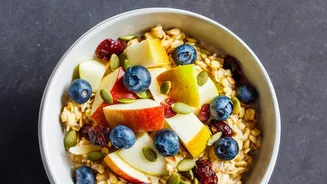
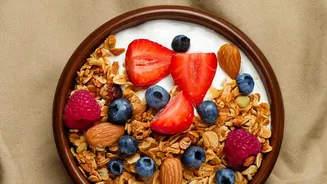
Building a better breakfast doesn't have to be complicated. The goal is to combine protein, fibre-rich carbs, and healthy fats. Some simple and effective combinations include: Greek yogurt with berries and a sprinkle of nuts or seeds; two eggs with whole-grain toast and a side of avocado; or oatmeal made with milk and topped with fruit and walnuts. For those who enjoy Indian breakfasts, options like poha cooked with vegetables and peanuts, or idli and sambar, which provides a good mix of carbohydrates and plant-based protein, can also be excellent choices.
Common Breakfast Mistakes to Avoid
Many common breakfast habits can sabotage your morning energy. One major mistake is relying on sugary, refined carbohydrates like pastries, sweetened cereals, or just plain toast. These cause a rapid blood sugar spike followed by a crash, leaving you tired and craving more sugar. Another common error is not eating enough protein. A breakfast of only fruit or coffee won't provide the staying power to keep you full and focused until lunch. And while skipping breakfast altogether might seem like a time-saver, it can lead to overeating later in the day and can negatively impact your metabolism and overall diet quality.