






A New Frontier for Indian Wildlife Tourism
Ladakh is launching a groundbreaking initiative: a guided wildlife safari through its stunning high-altitude landscapes. Approved by Lieutenant Governor Vinai Kumar Saxena, this will be the first of its kind in India, offering a regulated and immersive
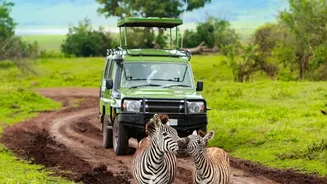
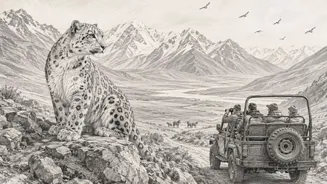
way to witness the region's rare fauna. The project will use specially designed, open-back safari vehicles, similar to those in famous national parks like Ranthambore and Kaziranga, operated by trained local guides and drivers. The primary goal is to promote responsible tourism, prevent illegal off-roading that disturbs wildlife, and create a safer, more informative experience for visitors drawn to this fragile ecosystem.
In the Realm of the 'Ghost of the Mountain'
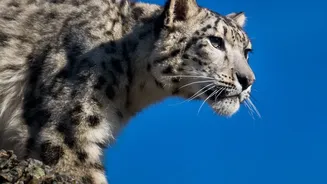
The star attraction of the new safari is undoubtedly the elusive snow leopard. Known as the 'ghost of the mountains' for its incredible camouflage and secretive nature, this magnificent cat is notoriously difficult to spot. Ladakh is a crucial global habitat for the species, boasting the country's largest population, with an estimated 477 of the 718 snow leopards in India residing here. The safari project, managed by the newly formed SHAN (Snow Leopard and High-Altitude Nature) Conservation Society, aims to streamline snow leopard tourism. By creating guided tours, authorities can manage access to sensitive habitats, protecting the animals while increasing the chances for tourists to have a responsible and successful sighting, especially during the peak winter season.
A Paradise for Birdwatchers
Beyond the snow leopard, the project places a strong emphasis on Ladakh's incredible avian diversity. The region is a haven for birdwatchers, with over 340 recorded species, including many rare and high-altitude specialists. Its unique landscape of wetlands, high-altitude lakes like Tso Moriri and Tsokar, and arid mountains attracts a mix of resident and migratory birds. Species like the Black-necked Crane, Bar-headed Goose, Lammergeier, and Himalayan Snowcock are major draws for enthusiasts. To support this, the administration plans to train 20 local youths in bird identification and spotting skills, providing them with equipment to work as professional guides. Additionally, ten dedicated bird-watching hides will be created in key hotspots to enhance the experience.
Community at the Core of Conservation
A defining feature of this project is its community-centric model. The administration has emphasised that local communities will be made equal partners in both protecting the region's wildlife and benefiting from the economic opportunities that arise from tourism. This approach builds on successful community-based conservation programmes already active in Ladakh, such as homestay initiatives that provide income to villagers and have helped change local perceptions of predators like the snow leopard from pests to valuable assets. By training and employing locals as guides and drivers, the safari project ensures that revenue from ecotourism directly supports the people who share their land with this incredible wildlife, creating a powerful incentive for long-term conservation.
Charting the Path Forward
The Forest Department is currently exploring and finalising the specific safari routes. Potential areas include wildlife-rich zones like Hemis National Park, Changthang and Karakoram Wildlife Sanctuaries, and other regions known for their biodiversity, such as Nubra, Zanskar, and Kargil. This initiative is not just about creating a new tourist attraction; it's a comprehensive plan for sustainable development. The SHAN Society, which is overseeing the project, has a broad mandate to develop a roadmap for community-led conservation, waste management, and promoting plastic-free, responsible tourism across Ladakh, setting a new benchmark for how to balance human activity and nature in one of the world's most breathtaking and delicate environments.