

Your Home, The Habitat
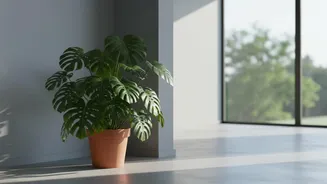
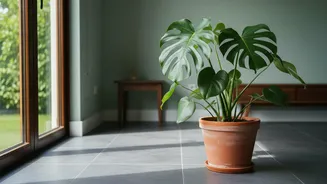
Before you even step into a nursery, the most crucial step is to assess your own space. Plants are not one-size-fits-all accessories. Their survival depends on receiving the right amount of light and moisture. The two most important factors you can control
are where you place the plant, which determines its light, and which room it lives in, which affects humidity. Thinking about your home from a plant's perspective—understanding its light exposure and ambient moisture—will transform your shopping trip from a game of chance into a strategic mission.
Decoding Your Light: The Window Compass
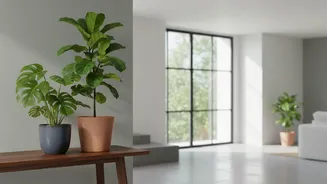
The direction your windows face is the single biggest factor in determining the type and intensity of light your plants will receive. A simple compass app on your phone can tell you everything you need to know. North-Facing Windows: These offer the least intense light, providing soft, indirect brightness throughout the day. They are perfect for plants that scorch easily and prefer low-light conditions. East-Facing Windows: These windows get gentle, direct morning sun that isn't too hot, followed by bright, indirect light for the rest of the day. This is a forgiving and ideal exposure for a wide variety of houseplants. South-Facing Windows: In the Northern Hemisphere, these are the sunniest and brightest spots, receiving direct sun for most of the day. They are perfect for sun-loving plants like succulents and cacti but can be too intense for many tropicals without a sheer curtain to diffuse the light. West-Facing Windows: These get hit with intense, hot afternoon sun. While great for sun-worshippers, the heat can be stressful for more delicate plants.
Plant Matches for Every Direction
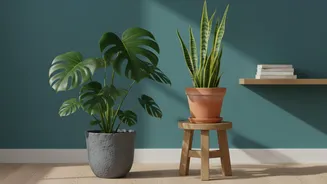
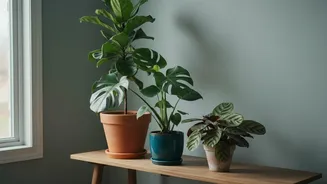
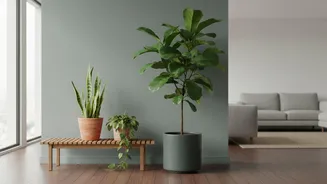
Once you know your light, you can pick your players. For low-light north-facing windows, consider the nearly indestructible Snake Plant (Sansevieria), the elegant ZZ Plant (Zamioculcas zamiifolia), or a lush Chinese Evergreen (Aglaonema). For the gentle morning light of an east window, try a vibrant Prayer Plant (Maranta), a flowering African Violet, or the popular Fiddle Leaf Fig, which enjoys the bright but not scorching conditions. Sun-drenched south-facing windows are a paradise for heat-lovers. Jade plants (Crassula ovata), Aloe Vera, and most cacti will thrive here. For those hot west-facing windows, sun-tolerant plants like Crotons, which need bright light for their color, and many succulents are excellent choices.
The Deal with Humidity
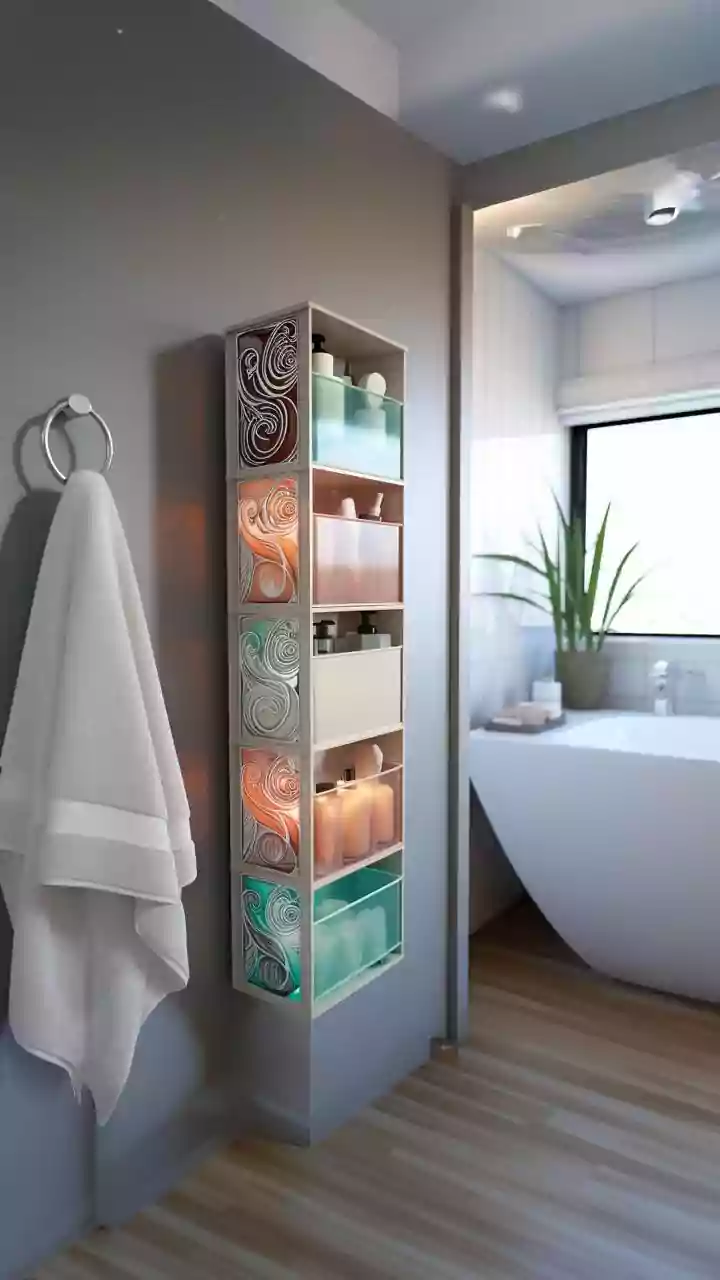
Humidity is simply the amount of water vapor in the air. Most homes have relatively dry air, especially in the winter when heating systems are running. However, some rooms are naturally more humid than others. Bathrooms, with steam from showers, and kitchens, with steam from cooking, are often humid microclimates within your home. Laundry rooms can also have higher humidity. Plants with lush, thin leaves often come from tropical rainforests and crave this moisture. Signs that a plant needs more humidity include brown, crispy leaf tips and edges. Conversely, plants adapted to arid conditions, like succulents, prefer drier air and can be prone to rot in overly damp environments.
Plants That Crave a Little Steam
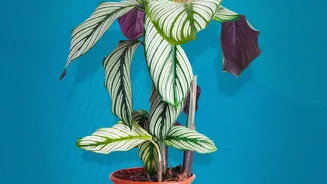
If you're looking to green up a bathroom or kitchen, lean into plants that love high humidity. Ferns, such as the Boston Fern or Maidenhair Fern, are classic choices for humid spaces. Calatheas and Marantas (Prayer Plants), known for their stunning and often colorful foliage, also thrive in moist air and will reward you with vibrant, healthy leaves. Air Plants (Tillandsia) absorb moisture through their leaves and will love the ambient dampness of a bathroom. Many orchids, particularly the popular Moth Orchid (Phalaenopsis), also appreciate the higher humidity found in these rooms, as it mimics their native tropical habitats.
Putting It All Together Before You Shop
Now you’re ready to make a shopping list. Take a walk through your home and take notes. What direction does the living room window face? Is it obstructed by a tree? That bright south-facing window might actually provide medium, filtered light. How does the bathroom feel? Steamy and damp, or dry and well-ventilated? Decide on a few potential spots for a new plant. Know the light and the likely humidity of that exact spot. Write it down. When you go to the plant shop, you are no longer just browsing for what looks pretty; you are searching for a specific type of plant that fits the conditions you can offer. This targeted approach prevents impulse buys that are doomed from the start.