

The Song: A Hymn for a Nation
Vande Mataram, meaning "I bow to thee, Mother," was born not as a song, but as a poem in Bankim Chandra Chatterjee's 1882 novel, 'Anandamath'. Written in a blend of Bengali and Sanskrit, it was a lyrical ode to the motherland, personified as a divine
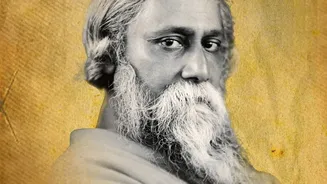
maternal figure. The poem quickly transcended its literary origins. First sung politically by Rabindranath Tagore at an Indian National Congress session in 1896, it transformed into the anthem of the independence movement. It became a powerful cry of defiance against British rule, chanted by freedom fighters in processions and prisons. Its power was such that it was eventually banned by the colonial authorities, which only cemented its status as a symbol of rebellion and national aspiration. Recognizing its indelible role in the freedom struggle, the Constituent Assembly of India adopted the first two verses as the National Song on January 24, 1950, giving it a status equal to the National Anthem, 'Jana Gana Mana'.
The Stage: A Fort of Sovereignty
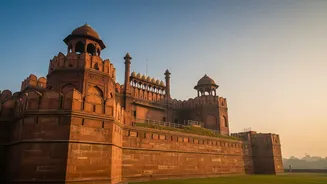
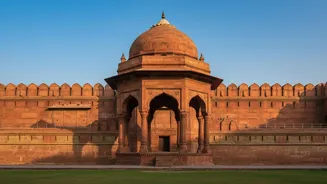
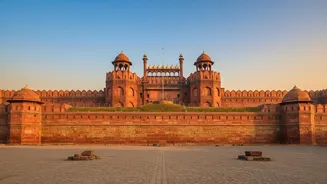
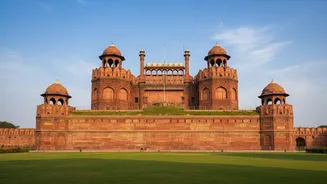
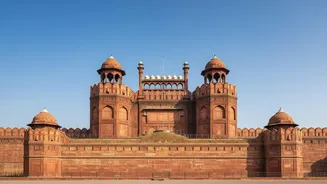
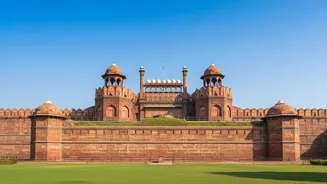
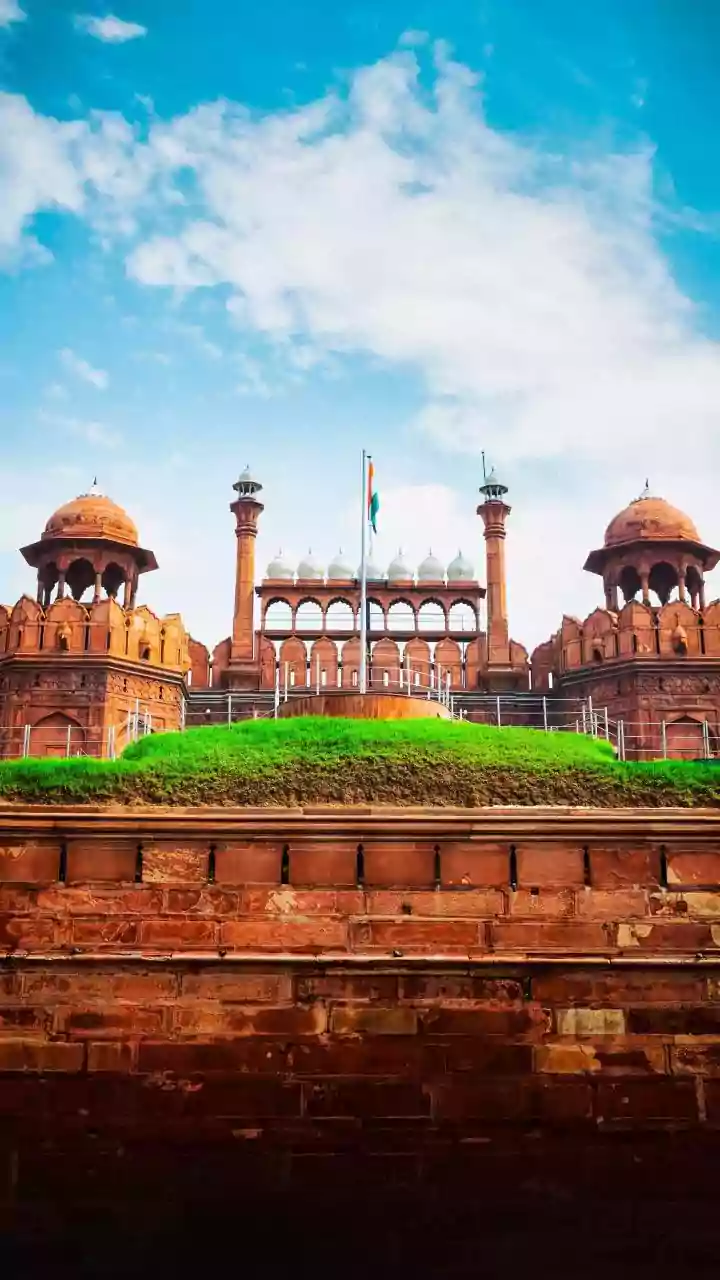
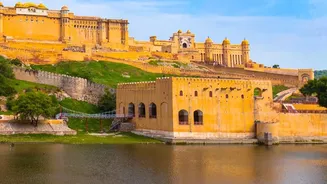
The Red Fort, or Lal Qila, is not just a backdrop; it is a character in India's story. Built by Mughal Emperor Shah Jahan in the 17th century, it was the seat of Mughal power for nearly 200 years. Its symbolic importance was dramatically reinforced during the 1857 uprising, when it became the centre of the rebellion against the British East India Company. After the British crushed the revolt, they occupied the fort, turning the symbol of Indian power into a garrison for the colonising army. The fort's role as a symbol of resistance was further cemented during the INA (Indian National Army) trials in the 1940s, which galvanized patriotic sentiment across the country. Therefore, when Prime Minister Jawaharlal Nehru hoisted the tricolour from its ramparts on August 15, 1947, it was a profound act of reclamation—a declaration that sovereignty had returned to the people of India. Ever since, it has been the traditional site for the Prime Minister's Independence Day address to the nation.
The Ceremony: A Historic First in 2026
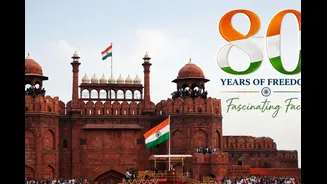
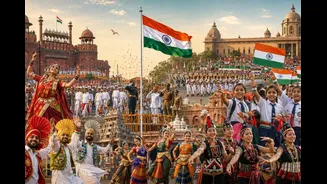
The "Timing" aspect of the headline is particularly relevant in 2026. For the first time in the nation's history, the Independence Day ceremony at the Red Fort on August 15, 2026, will feature a rendition of 'Vande Mataram' as a formal part of the proceedings. According to the Ministry of Defence, the National Song will be sung upon the Prime Minister's arrival at the ramparts, just before the unfurling of the National Flag and the playing of the National Anthem. This marks a significant change in the ceremonial sequence. The decision coincides with the 150th anniversary of the song's composition, making the event a tribute to its enduring legacy. Previously, patriotic songs might be performed by choirs before the main ceremony, but 'Vande Mataram' was not a scheduled item in the formal Guard of Honour and flag-hoisting protocol. This new inclusion elevates the song's ceremonial importance at the nation's most prominent national celebration.
A Legacy of Unity and Debate
While a powerful unifying force, the history of 'Vande Mataram' also includes moments of complex debate. In the 1930s, objections were raised by some leaders within the Muslim League regarding the song's later verses, which contain references to Hindu deities like Durga, arguing they conflicted with monotheistic beliefs. After deliberation, the Indian National Congress in 1937 decided to adopt only the first two stanzas as the version for public and national veneration. These verses are an abstract praise of the motherland, rich with descriptions of its natural beauty, and do not contain the specific religious imagery of the later stanzas. This decision was a compromise aimed at preserving the song's role as a unifying symbol while respecting the diverse communities of the nascent nation. It is these first two verses that were ultimately declared the National Song. The song recently received further legal standing through a 2026 amendment to the Prevention of Insults to National Honour Act, giving it protection on par with the National Anthem.