



A New Global Crossroads
South Korea's Incheon International Airport has officially become the world's busiest hub for international passengers, handling 38.39 million travelers in the first half of 2026. This marks the first time Incheon has claimed the top spot since its opening
in 2001, pushing London Heathrow into second place with 37.79 million passengers. The shift is the result of several factors, including a major expansion completed in 2024 that boosted Incheon's capacity to 106 million passengers annually. Geopolitical shifts have also played a crucial role. With recent conflicts impacting routes through the Middle East, traffic has been diverted, with Incheon seeing a significant surge in transfer passengers, particularly from European routes which soared by over 63%. This, combined with a boom in tourism from China and Japan, has cemented Incheon's new status.
The Incheon Experience
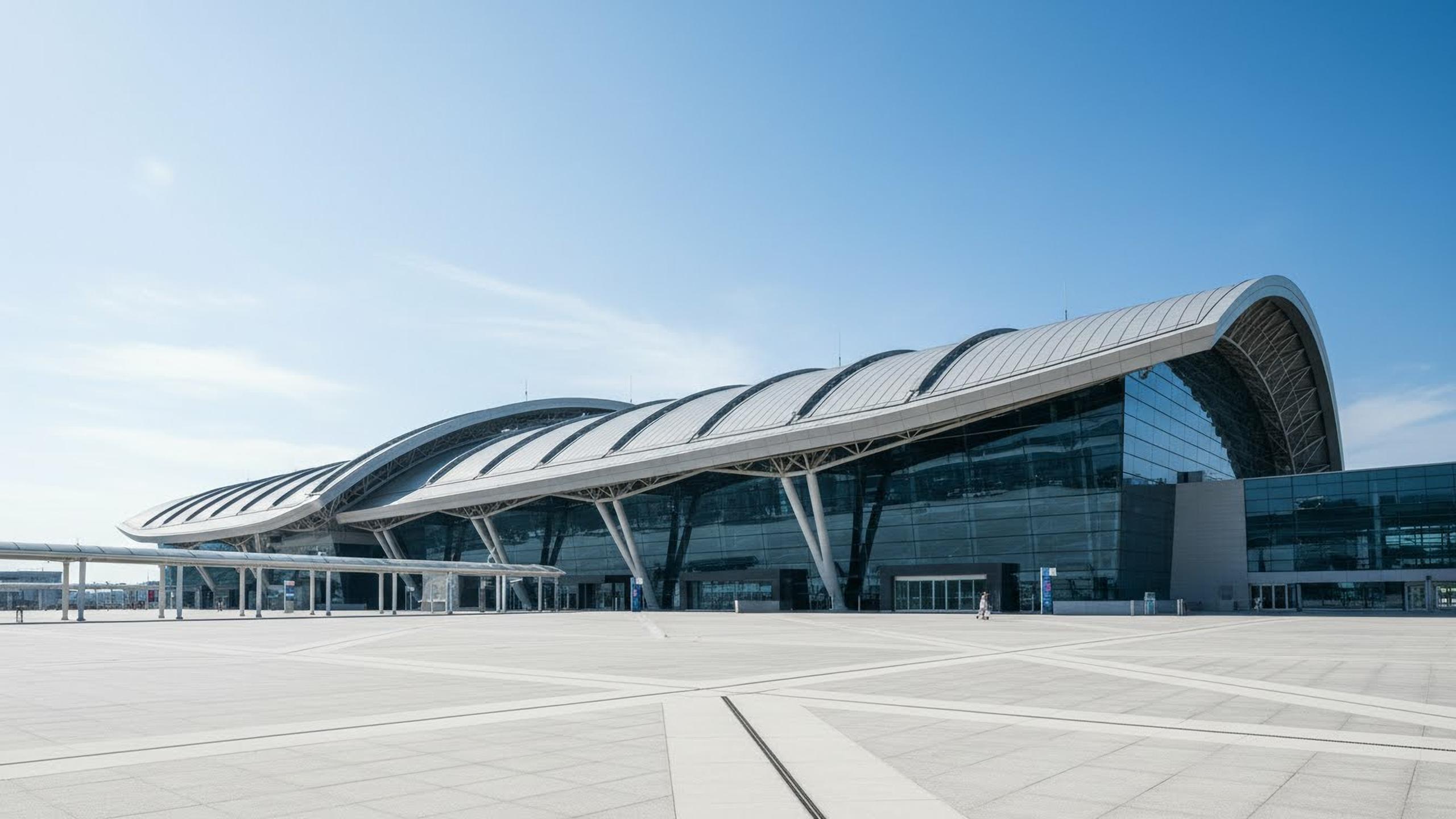
Incheon's rise isn't just about numbers; it's about a relentless focus on the passenger. For years, it has been lauded for its exceptional service and amenities. The airport is certified as a 5-Star Airport by Skytrax, recognized for everything from cleanliness to staff service. Beyond efficiency, Incheon transforms the travel experience into a cultural and recreational one. It features amenities that are destinations in themselves: a golf course, spa, private sleeping rooms, an ice-skating rink, and even a Museum of Korean Culture. Traditional gardens and natural landscaping are integrated into the terminal design, creating a calming atmosphere. This long-standing commitment to service, comfort, and culture has made it a passenger favorite and consistently placed it near the top of quality rankings, even before it became the busiest.
What Happened to Heathrow?
While Incheon surged, Heathrow has been facing significant headwinds. The London hub has long operated at or near maximum capacity with its two runways, a constraint that limits growth. Plans for a controversial third runway have been debated for years, with no immediate construction in sight. This physical limitation is compounded by growing criticism over the passenger experience. In recent surveys, airlines and travelers have cited issues like long security queues, baggage system failures, and dated facilities in older terminals. In a 2025 survey, 90% of airlines using the airport believed the way it is run hampers its effectiveness as a hub. While Terminal 5 remains world-class, inconsistencies across the airport have tarnished its reputation for service, making it vulnerable to competitors who have invested heavily in modernization.
A Tale of Two Strategies
The diverging paths of Incheon and Heathrow highlight a fundamental split in airport strategy. Incheon, built on a man-made island in 2001, was designed for the future, with phased expansions built into its DNA. Its management has aggressively pursued a model where the airport itself is part of the travel experience, not just a utility to be endured. This includes investing in everything from high-tech robots that assist passengers to free city tours for those on layovers. Conversely, Heathrow is a legacy airport, struggling with infrastructure that wasn't designed for today's passenger volumes. While it remains a vital economic engine for the UK, its growth is stifled by physical and political constraints. The airport itself has acknowledged that the case for expansion has "never been clearer" as it loses its top spot not just globally to Incheon, but also within Europe to Istanbul on a monthly basis.