




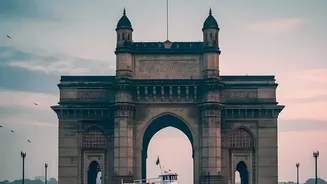

The Challenge of Tourist Clusters
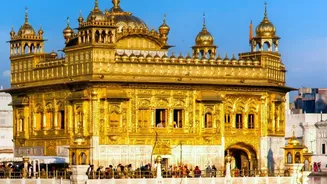
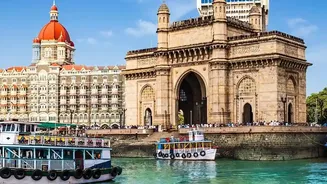
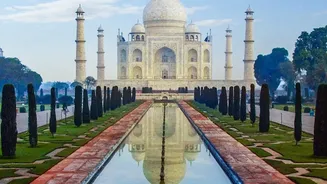
Popular tourist circuits in India often lead to the same celebrated destinations. While iconic, this concentration places immense strain on the resources of cities like Jaipur, Goa, and Shimla. It can lead to overcrowded attractions, environmental stress,
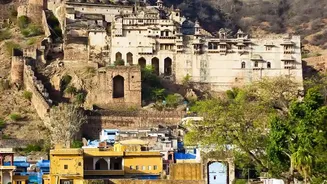
and a diluted visitor experience. Meanwhile, vast regions of the country with rich cultural heritage and natural beauty remain largely unexplored by the average traveller, simply due to a lack of easy access. This imbalance not only limits choices for tourists but also prevents the economic benefits of tourism from reaching smaller towns and rural communities that could greatly benefit from them.
The Connectivity Game-Changer
The key to unlocking India's tourism potential lies in connectivity. Government initiatives are spearheading this change by dramatically improving transport infrastructure. The most notable of these is the UDAN (Ude Desh ka Aam Nagrik) scheme, a regional airport development and connectivity program launched to make air travel more affordable and accessible. By reviving unserved and underserved airports in Tier-2 and Tier-3 cities, UDAN has put dozens of new destinations on the national travel map. This air network expansion, combined with the rapid development of national highways and modern Vande Bharat trains, is collectively reducing travel time and turning once-distant locations into viable weekend getaways.
From Policy to Practice
The impact of this infrastructure push is already becoming visible. Destinations in the North East, Himalayan states, and coastal regions are witnessing a significant increase in tourist footfall. For example, improved air connectivity has made it easier for travellers to explore the unique cultures of states like Arunachal Pradesh and the serene landscapes of Pithoragarh in Uttarakhand. Schemes like Swadesh Darshan and PRASHAD complement this by focusing on developing thematic tourist circuits and improving facilities at pilgrimage sites, ensuring that destinations are not just accessible but also ready to welcome visitors. This integrated approach helps create complete travel ecosystems that include transport, hospitality, and local experiences.
Economic and Cultural Ripple Effects
Spreading tourism is not just about de-congesting popular spots; it is a powerful tool for equitable economic development. When a new flight path opens up to a smaller town, it triggers a chain reaction. It creates direct jobs in aviation and hospitality, and indirect opportunities for local artisans, food vendors, and transport providers. This economic boost provides a sustainable livelihood for communities, reducing migration to urban centres. Furthermore, tourism can incentivise the preservation of local culture and heritage. When communities see a direct economic benefit from their unique traditions and historical sites, they are more likely to invest in protecting them for future generations.
The Road Ahead
While connectivity is the crucial first step, it is not a silver bullet. As new destinations gain popularity, they face the risk of repeating the mistakes of their more famous counterparts. The challenge is to manage this growth sustainably. This means developing adequate infrastructure, such as quality accommodation and sanitation, without harming the local environment. It also requires a focus on responsible tourism practices, training a skilled local workforce, and ensuring that the economic benefits are distributed fairly within the community. For India's tourism story to have a truly happy ending, growth and sustainability must go hand in hand.