






More Than Just a Meal
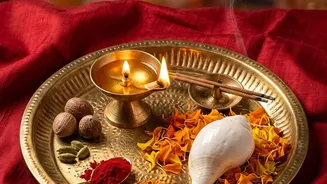
At the heart of any Puja celebration is the 'bhog'—a food offering made to the deity. This consecrated food is then distributed as 'prasad' to devotees, a practice that fosters a sense of community and shared blessing. During Durga Puja, especially on the significant
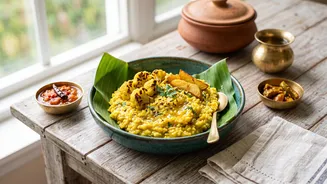
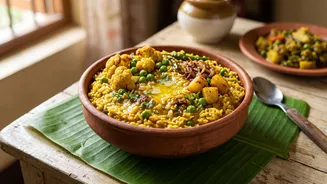
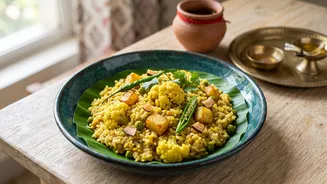
day of Ashtami, Bhoger Khichuri is the star of this offering. It is a 'niramish' or sattvik preparation, meaning it is strictly vegetarian and cooked without onions or garlic, which are considered non-vegetarian in some orthodox Hindu traditions. This purity makes it a fitting offering for the goddess, transforming a humble dish of rice and lentils into something profoundly spiritual.
The Soul of the Dish: Key Ingredients
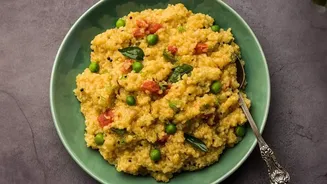
What sets Bhoger Khichuri apart is its unique combination of ingredients. The foundation is two-fold: Gobindobhog rice and Sona Moong Dal. Gobindobhog is a short-grained, aromatic rice native to West Bengal, prized for its sweet, buttery flavour and distinct fragrance. Its name even translates to 'an offering to Lord Gobindo'. Unlike long-grained Basmati, Gobindobhog is slightly sticky, which lends the khichuri its signature creamy, comforting texture. The second key is 'bhaja' moong dal, or yellow lentils that are dry-roasted until they release a nutty, golden aroma before being cooked. This simple step is crucial, imparting a deep, soulful flavour that defines the dish. The khichuri is then gently spiced with ginger, bay leaves, cinnamon, cardamom, and cloves, and often includes seasonal vegetables like cauliflower, potatoes, and green peas.
The Art of Preparation: A Step-by-Step Guide
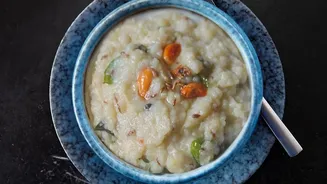
Making this dish is an exercise in patient devotion. Begin by dry-roasting the moong dal in a heavy-bottomed pan over low heat until fragrant. Set it aside. Wash the Gobindobhog rice and the roasted dal together. In a large pot or handi, heat mustard oil or ghee and temper it with whole spices like bay leaves, dried red chillies, cumin seeds, cinnamon, cloves, and cardamom. Add cubed potatoes and cauliflower florets, frying them lightly until they turn golden. Next, add a paste of ginger and basic powdered spices like turmeric and cumin. To this fragrant base, add the washed rice and dal mixture, stirring gently to coat everything. Pour in hot water, salt, and a touch of sugar to balance the flavours. Allow it to cook on low to medium heat, adding other vegetables like green peas midway through. The goal is a soft, porridge-like consistency where the grains are mushy but still visible. A final, generous spoonful of ghee stirred in at the end adds a crowning touch of richness.
Serving the Divine Offering
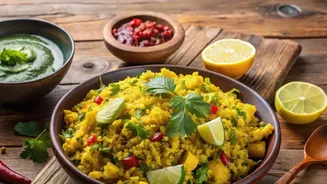
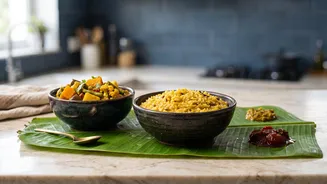
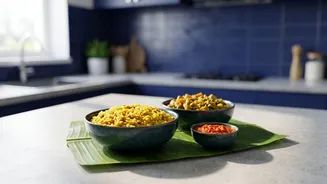
Bhoger Khichuri is rarely served alone. It is the centrepiece of a larger platter that represents a complete, festive meal. Traditional accompaniments create a beautiful harmony of tastes and textures. Common side dishes include 'labra', a mixed vegetable curry often seasoned with the Bengali five-spice mix known as panch phoron. You will also almost always find some 'bhaja' or fried items, such as Begun Bhaja (pan-fried eggplant slices) or Jhuri Aloo Bhaja (crispy fried potato straws). A sweet and tangy tomato and date 'chatni' (chutney) provides a perfect contrast, cleansing the palate before the final sweet course, which might be a 'payesh' (rice pudding) or Mishti Doi (sweet yogurt).