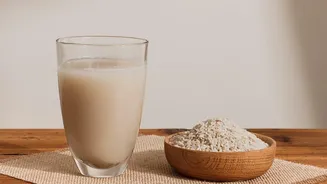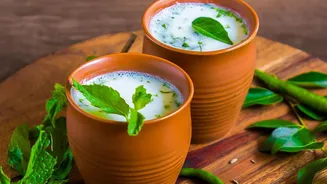







The Hydration Heavyweights
Both drinks have deep cultural roots in India, from a refreshing glass of chaas after a meal to sipping nariyal pani on a hot day. Their primary shared benefit is hydration. Coconut water, which is about 95% water, is often called 'nature's sports drink'
for its ability to replenish fluids. Buttermilk also has a high water content and is renowned for its cooling effect on the body, making it a summer staple. Both provide electrolytes like potassium, which are crucial for maintaining fluid balance, especially after sweating.
Round 1: The Electrolyte Showdown
When it comes to electrolytes, coconut water is the undisputed king of potassium, containing significantly more than even a banana. This makes it excellent for preventing muscle cramps and rehydrating after a light workout. However, it's relatively low in sodium, the main electrolyte lost through sweat. Buttermilk, especially the salted masala chaas variety, offers a more balanced profile of both sodium and potassium, which can be more effective for overall electrolyte balance during extreme heat. For intense exercise, however, neither may be sufficient on its own to replace significant sodium loss.
Round 2: Calories and Sugar
For those watching their calorie intake, unsweetened coconut water is a clear winner. A 240ml cup contains around 45-60 calories and about 6-9 grams of naturally occurring sugar. Plain buttermilk is also low in calories, but often contains more than coconut water, with some estimates around 98 calories per cup. The key difference lies in what's added. Packaged versions of both can contain added sugars, which can quickly turn a healthy drink into a high-calorie one. Always check the label on packaged varieties.
Round 3: The Gut Health Question
Here, buttermilk has a distinct advantage. As a fermented drink, it is a natural source of probiotics, the beneficial bacteria that support a healthy digestive system. Regular consumption of chaas can aid digestion, reduce bloating, and even help manage acidity. Coconut water is gentle on the stomach and can promote digestive health by providing hydration, but it does not contain the same probiotic benefits as buttermilk.
Round 4: The Nutrient and Protein Punch
Beyond hydration, buttermilk offers a broader nutritional profile. It is a good source of calcium, essential for bone health, and contains protein, which contributes to feeling full and satisfied. A single glass of buttermilk can contain around 3 grams of protein, making it a more filling beverage. Coconut water, by contrast, contains negligible amounts of protein and fat, and while it provides some calcium, it is not as significant a source as buttermilk.
Fresh vs. Packaged: Does It Matter?
Yes, it matters a lot. Fresh coconut water, straight from the nut, is sterile and at its nutritional peak. Packaged versions undergo processing like pasteurization to extend shelf life, which can alter the taste and reduce some delicate nutrients. Similarly, homemade buttermilk or chaas from fresh curd is often considered superior to commercial versions, which may contain preservatives and high levels of sodium. When possible, fresh is best, but if you opt for packaged, choose brands with minimal ingredients and no added sugar.