







Food as Devotion
In Bengali culture, food during Durga Puja is more than just sustenance; it’s an act of love and worship. The most significant meals are prepared as 'bhog' – a sacred offering for the Goddess Durga before being distributed among devotees. This food is typically
'niramish', or vegetarian, prepared without onion or garlic, reflecting a sense of purity and simplicity fit for a divine offering. The kitchen transforms into a temple, and recipes passed down through generations become rituals of connection. This trio of Khichuri, Luchi, and Payesh forms the holy trinity of Puja feasting, embodying comfort, celebration, and auspiciousness.
Khichuri: The Soulful Centrepiece
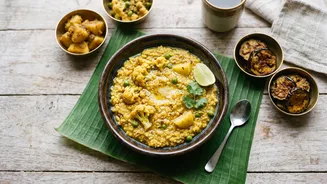
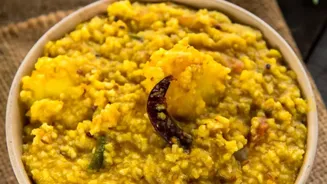
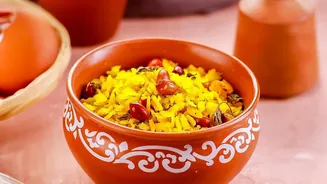
At the core of the bhog is the Bhoger Khichuri, a dish that is the ultimate symbol of sacred comfort food. This is not the everyday khichdi; it is a fragrant, one-pot meal made with aromatic Gobindobhog rice and roasted moong dal, which gives it a unique nutty aroma. Cooked with seasonal vegetables like cauliflower and peas, and tempered with ghee and a blend of spices, this khichuri has a distinctively rich yet simple flavour. Served piping hot in community pandals, it represents unity and the purest form of love, bringing warmth and comfort in every spoonful. For many, the taste of Bhoger Khichuri is the very essence of Durga Puja.
Luchi: Puffs of Golden Joy
If Khichuri is the soul, Luchi is the joy of the Durga Puja feast. These small, fluffy, deep-fried breads are a symbol of celebration and indulgence. Made from maida (all-purpose flour), they puff up into delicate, white, airy discs when fried, setting them apart from the whole-wheat puri. Luchis are the perfect vessel for scooping up savoury curries like Alur Dom (spicy potato curry) or Cholar Dal (a sweet and savoury lentil dish with coconut). Their delightful texture and versatility make them a festive favourite, appearing on the menu from breakfast to dinner. No Bengali celebration feels truly complete without a plate of hot, freshly fried luchis.
Payesh: The Auspicious Finale
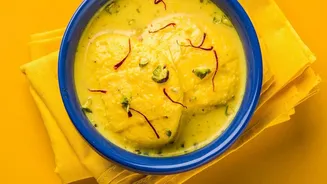
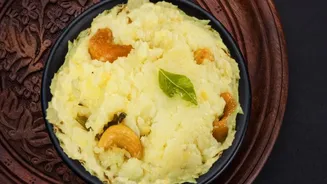
Every divine meal needs a sweet conclusion, and in Bengali tradition, that role is beautifully fulfilled by Payesh. More than just a dessert, this creamy rice pudding is an emotion, an offering that signifies prosperity and purity. Derived from the Sanskrit word for milk, Payesh is slow-cooked with milk, rice (often Gobindobhog for its fragrance), and sweetened with sugar or, in winter, the prized date palm jaggery (Nolen Gur). Flavoured with cardamom and bay leaf, and garnished with nuts and raisins, each spoonful is a taste of heritage. Serving Payesh marks the auspicious end to a celebratory meal, leaving a lingering sweetness that echoes the spirit of the festival.