




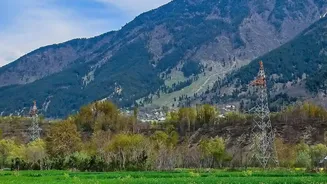
A Riot of Colour in the Cold Desert
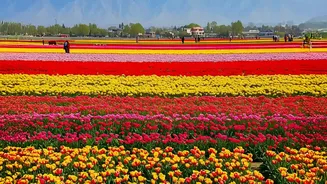
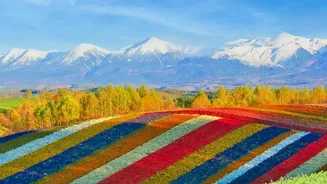
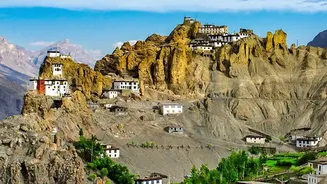
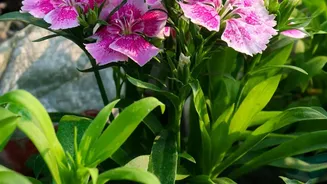
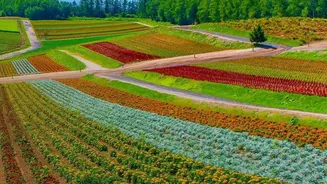
Imagine fields of red, pink, white, and yellow lilies set against the dramatic, barren mountains of Ladakh. This is the new reality at Choglamsar, near Leh, where a groundbreaking floriculture project has transformed a stretch of land into a breathtaking
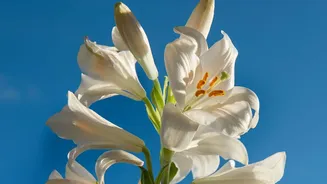
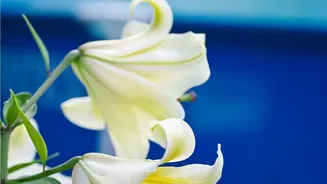
floral park. Located at an altitude of over 10,600 feet, the site is now one of the world's highest flower fields. The project, which also includes a twin field at Stakna, features over 2.5 million flowering plants, primarily Lilium and Gladiolus varieties, creating a stunning contrast with the region's rugged terrain. Inaugurated in September 2026, the fields have quickly become a major attraction for locals and tourists alike.
The Seeds of a Grand Vision
The initiative is more than just a beautification project; it is a strategic move to establish commercial floriculture as a new, sustainable source of income for Ladakh's farmers. Conceived by the UT administration and led by Lieutenant Governor Vinai Kumar Saxena, the project aims to leverage Ladakh's unique climate, which, though challenging, can be ideal for certain high-value crops. The foundation stone was laid in June 2026 with a clear goal: to position Ladakh as an emerging hub for premium floriculture, with flowers that can command high prices in national and international markets. The project is being implemented with scientific and technical support from the CSIR-Institute of Himalayan Bioresource Technology (CSIR-IHBT), Palampur.
An Ambitious Two-Month Timeline
The speed of the project's execution is one of its most impressive aspects. Planting of Lilium bulbs at Choglamsar began on July 16, 2026. By the first week of September, the first blooms began to appear, meeting the ambitious two-month target. This rapid turnaround demonstrated the viability of large-scale ornamental flower cultivation under Ladakh's challenging conditions. The success is a testament to the meticulous planning, scientific input, and dedicated effort that went into preparing the site and selecting the right flower varieties for the short growing season.
More Than Just Pretty Flowers
Beyond its visual appeal, the Choglamsar flower field represents a significant economic opportunity. The administration has structured the project to directly benefit local communities. In its initial phase, the Agriculture Department managed the cultivation, but the plan is to hand over the fields to local Self-Help Groups (SHGs) and cooperatives. These groups will receive training in scientific cultivation, post-harvest management, and marketing to sell the high-value 'A-grade' stems to markets in Delhi, Mumbai, and Chandigarh. Already, the first air consignment of 15,000 Lilium stems was flagged off from Leh airport, marking Ladakh's entry into the national floriculture market. The project also provides direct employment, with local women engaged in cutting, sorting, and packaging.
A Blueprint for the Future
The success at Choglamsar and Stakna is being viewed as a model for agricultural diversification across Ladakh. The administration has already directed officials in other districts like Kargil, Drass, and Zanskar to identify land for similar projects, with an aim to bring 200 acres under high-value floriculture by the next year. The Choglamsar site will serve as a permanent demonstration and model centre to train farmers and youth. By turning a perceived climatic disadvantage into an agricultural strength, Ladakh is not only changing its landscape but also cultivating a new, resilient economy rooted in its unique environment. The blooming fields are a powerful symbol of growth, opportunity, and a vibrant future.