






The Humble Power of Beans
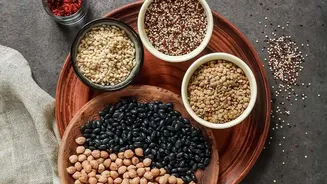
Often overlooked, beans and legumes are nutritional powerhouses packed into a tiny, affordable package. They are an excellent source of plant-based protein, making them a satisfying alternative to meat. Rich in both soluble and insoluble fibre, beans aid
digestion, help prevent constipation, and can contribute to a feeling of fullness, which may assist with weight management. The fibre in beans also plays a role in stabilising blood sugar levels and can help lower 'bad' cholesterol. Incorporating them into your diet doesn't have to be complicated. Think beyond just dal; try adding chickpeas to salads, mixing kidney beans into vegetable curries, or even blending them into thick, creamy soups. Starting by mixing them into familiar dishes like rice or pasta is an easy way to boost your intake without a drastic change.
Yoghurt: A Gut-Friendly Staple
Yoghurt, or dahi, is a fixture in Indian households for good reason. It's an incredible source of high-quality protein, calcium for bone health, and essential nutrients like B vitamins, potassium, and magnesium. Many yoghurts contain live and active cultures, also known as probiotics, which are beneficial bacteria that support a healthy digestive system and can enhance your immune response. To get the most benefit, opt for plain, unsweetened yoghurt, which you can then customise at home. Beyond a simple side dish, yoghurt is incredibly versatile. Use it as a base for marinades to tenderise chicken or paneer, blend it into smoothies, whip it into dips like raita, or use it to create creamy, cooling curries like kadhi. Its tangy flavour and creamy texture can balance spicy dishes and add richness without heavy cream.
The Colourful World of Vegetables
The advice to eat more vegetables is timeless for a reason. Vegetables are nutrient-dense, meaning they are packed with vitamins, minerals, and fibre while being low in calories. A diet rich in a variety of vegetables can help lower blood pressure, reduce the risk of heart disease, and support a healthy gut microbiome. Different colours signify different nutrients, so aiming for a variety on your plate—from leafy greens like spinach and kale to bright red tomatoes and orange carrots—ensures you get a wide spectrum of health benefits. For practical meals, the key is to make vegetables easy to eat. Keep chopped vegetables on hand for quick stir-fries or to add to omelettes. Roasting a big batch of seasonal vegetables like cauliflower, broccoli, and sweet potatoes at the start of the week provides a ready-to-use side for any meal. Don't be afraid to add them liberally to soups, pastas, and sandwiches to effortlessly increase your daily intake.
Choosing Whole Grains for Lasting Energy
Making the switch from refined grains to whole grains is one of the most impactful changes you can make for your long-term health. Whole grains include all three parts of the grain kernel—the bran, germ, and endosperm—providing more fibre, vitamins, and minerals than their refined counterparts like white rice and maida. This high fibre content aids in digestion, helps control cholesterol levels, and provides a steadier release of energy, preventing the blood sugar spikes associated with refined carbs. The Dietary Guidelines for Americans recommend making at least half of your grains whole grains. Start small by swapping white rice for brown rice or quinoa in one meal a day. Use whole-wheat flour (atta) for rotis, and experiment with other grains like barley in soups or millet as a rice substitute. When buying bread or pasta, check the label to ensure 'whole grain' is listed as the first ingredient.
Building a Practical, Balanced Plate
The beauty of these four food groups is that they work together to create balanced, satisfying meals without the need for strict rules or fad diets. A simple guideline for a balanced plate is to fill half with vegetables, a quarter with a lean protein source like beans, and a quarter with whole grains. A meal could be as simple as a bowl of dal (beans), a side of brown rice (whole grain), and a generous portion of sabzi (vegetables), with a spoonful of yoghurt on the side. This approach moves the focus away from restrictive eating and towards a positive pattern of adding more nutritious foods to your plate. It’s about building a foundation of practical, everyday meals that nourish your body from the inside out, proving that healthy eating can be both simple and delicious.