


The King of Fruits as a Diplomat
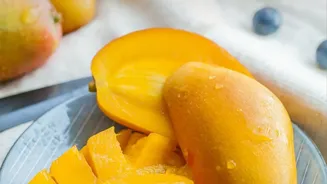
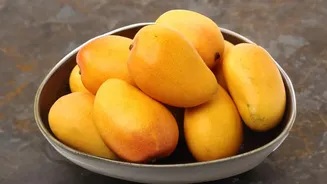
Long before it became a trade commodity, the mango was a tool of Indian soft power. The practice, often called "mango diplomacy," dates back to the 1950s when Prime Minister Jawaharlal Nehru would gift the prized fruit to visiting dignitaries to sweeten
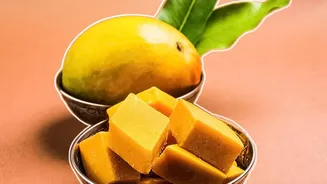
relationships. One famous account notes that Chinese Premier Zhou Enlai’s stern demeanour softened considerably after tasting a mango from Nehru in 1955. This tradition of using the seasonal, sought-after fruit as a gesture of goodwill continues to this day, with both India and Pakistan regularly sending consignments to world leaders to build bridges and express cultural pride.
Breaking a Decades-Long Barrier
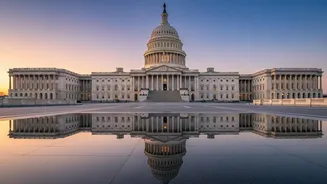
For nearly two decades, from 1989 to 2007, Indian mangoes were banned from the United States. The reason was not political but phytosanitary—a technical term for plant health. The U.S. Department of Agriculture (USDA) feared that pests unique to Indian mangoes, like the fruit fly and seed weevil, could pose a threat to American agriculture. The impasse reflected a common friction in global trade, where developing nations see strict safety regulations as a form of protectionism. The breakthrough came after years of negotiations, culminating in a landmark agreement in 2006. India agreed to a process called irradiation, where the fruit is exposed to a low dose of gamma rays to neutralise any pests without affecting its taste or quality. This scientific solution paved the way for the first shipment in 2007, an event celebrated as a major diplomatic victory.
A Sweetener for Bigger Deals
The 2007 agreement was famously dubbed the “nuclear mango deal.” It occurred while India and the U.S., under Prime Minister Manmohan Singh and President George W. Bush, were finalising a landmark civil nuclear pact. During a visit, President Bush tasted an Alphonso and reportedly called it a “hell of a fruit,” a remark that became symbolic of the warming ties. In exchange for allowing mango imports, India made concessions for American products, including Harley-Davidson motorcycles. This principle of reciprocity is central to trade negotiations. By resolving the long-standing mango issue, both countries demonstrated they could work through complex technical barriers, building trust for more significant strategic and economic partnerships.
Small Numbers, Mighty Symbolism
The headline's claim that mango access is "small in value" is accurate in the grand scheme of global trade. While exports to the U.S. have surged, crossing $10 million in FY2023-24, this figure is a tiny fraction of the over $1 billion American mango import market, which is dominated by Mexico and Peru. India's share by value is only around 1-2%. However, the diplomatic meaning is immense. Each time a trade issue like this is resolved, it strengthens the bilateral relationship. When exports were briefly halted due to pandemic travel restrictions preventing U.S. inspectors from visiting Indian irradiation facilities, its resumption became a priority. The return of Indian mangoes to American shelves, often paired with access for U.S. products like cherries and pork in India, becomes a tangible sign of cooperation. It proves that the two democracies can navigate complex regulations and find mutual benefits, one mango at a time.