





The Car With a Split Personality
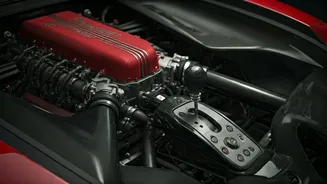
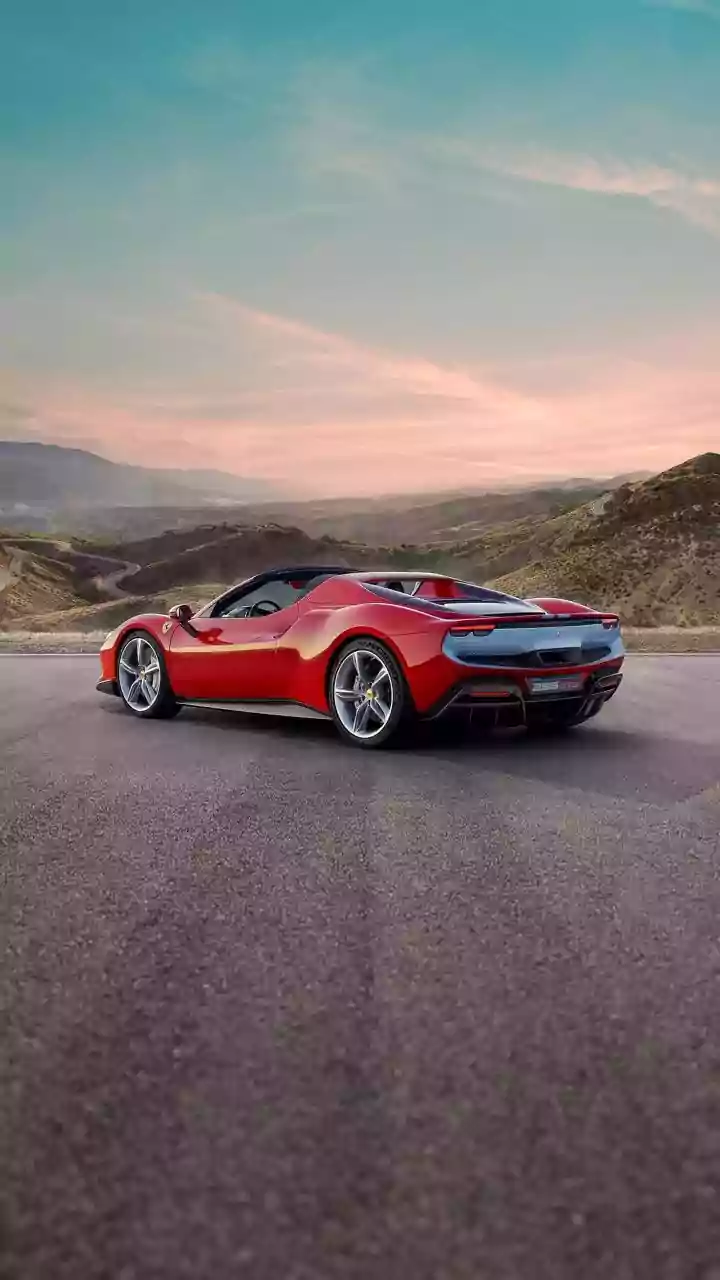
The car at the center of this technological debate is the Ferrari 12Cilindri, the successor to the brand's lauded 812 Superfast. On paper, it's a monument to classic supercar engineering. It boasts a 6.5-litre naturally aspirated V12 engine that produces
a staggering 819 horsepower and revs to an ear-splitting 9,500 rpm. In an age of turbochargers and hybrid systems, a purely atmospheric V12 is a rarity, a deliberate nod to the brand's heritage. Yet, beneath this traditional exterior lies a complex digital brain tasked with an unusual job: making this modern marvel feel less perfect and more like its more temperamental ancestors.
Perfecting Imperfection
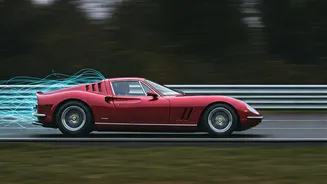
Modern high-performance engines, for all their power, are often described by purists as too good. Their power delivery can be incredibly smooth and linear, a flat line of relentless acceleration. While efficient and fast, this can lack the drama and character of older engines, which had distinct surges of power and torque that drivers had to learn and master. Ferrari identified this sensory gap and decided to engineer a solution. The goal wasn't just to build a fast car, but to create a specific feeling—a crescendo of power that builds in a progressive, exciting way that has been a signature of Ferrari's V12 engines.
The 'Aspirated Torque Shaping' Trick
Ferrari’s main tool for this electronic nostalgia is a system called Aspirated Torque Shaping (ATS). For the first time on one of its naturally-aspirated engines, engineers have used software to actively sculpt the torque curve in third and fourth gears. The system subtly limits and modifies the amount of available torque to create the feeling of a more progressive, building rush of power as the revs climb. In essence, the computer is artificially recreating the less-than-perfect torque delivery of older engines, giving the driver the perception of a dramatic surge without actually hindering the car's formidable acceleration. It’s a clever piece of software engineering designed purely for the benefit of driving pleasure.
A Glimpse of the 'Manual' Future
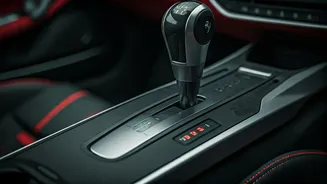
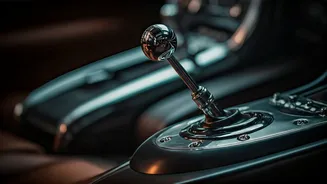
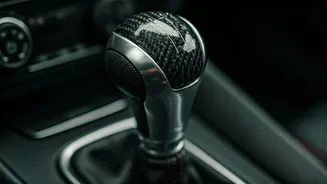
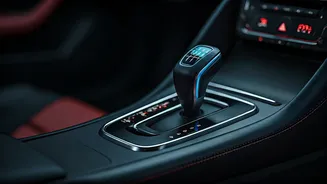
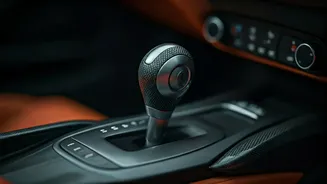
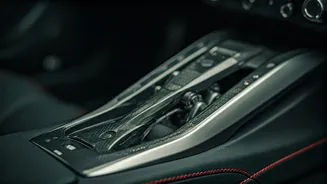
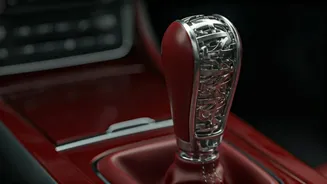
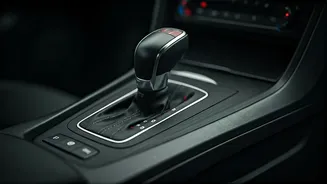
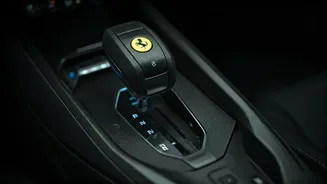
Ferrari is taking this concept of simulated joy even further. In a limited-edition version called the 12Cilindri Manuale, the company has reintroduced a classic gated manual shifter and a third pedal. However, there is no mechanical link between the shifter or clutch and the transmission. The entire system is 'by-wire'. Advanced sensors and actuators read the driver's inputs and command the car's eight-speed dual-clutch gearbox to behave like an old six-speed manual. The system is so dedicated to authenticity that it even simulates the flaws of old manuals; if you time your clutch release poorly, you can stall the engine. It's an elaborate simulation designed to bring back the physical involvement that many enthusiasts miss, using technology to make the experience feel less digital.
Authenticity or a Clever Fake?
This embrace of electronic simulation raises a philosophical question for car lovers: Does it matter if the feeling is manufactured? For decades, the appeal of a classic sports car was its raw, mechanical nature. Every vibration, sound, and response was the direct result of physical components working together. Now, Ferrari is arguing that the experience itself is what matters, even if it’s curated by lines of code. The company is using software to preserve the imperfections and sensations that modern engineering has otherwise eliminated. Some will see this as a brilliant solution, a way to keep the spirit of analog driving alive in a digital world. Others may view it as an inauthentic replica, a high-tech ghost of a feeling that has been lost. The debate itself signals a major shift in what we value in performance cars, moving from pure mechanics to the art of the simulated experience.