






The Anatomy of a $60 Loaf
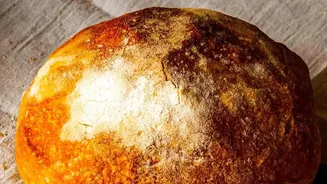
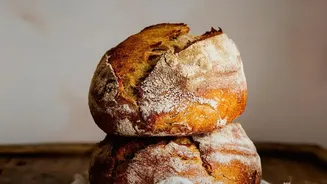
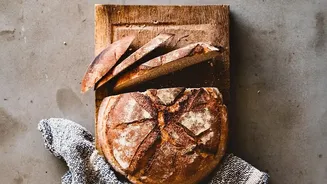
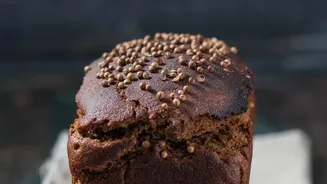
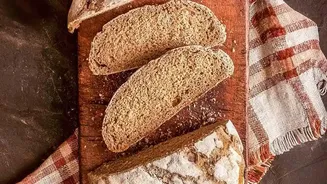
So, what exactly goes into a loaf of bread that costs more than a steak dinner? At Rye, a SoHo bakery from Austrian import Martin Auer, the viral $60 loaf is a 3.3-pound behemoth of 100% rye sourdough. The bakery says the price reflects a time-intensive
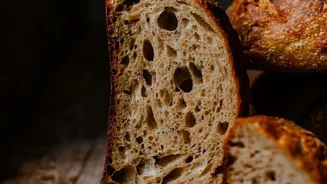
process that can’t be rushed. The sourdough starter is fed daily in a process that takes 24 hours before it's even ready to be used. After that, the dough is made, fermented, shaped, fermented again, baked, and then rested. The ingredient list is deceptively simple: flour, water, salt, and time. But the flour isn't your average supermarket variety; it's organic rye imported from Austria. This speaks to a broader trend in high-end baking. Artisanal bakers prioritize premium, often heritage, grains like Spelt, Einkorn, or Red Fife, which cost significantly more than commodity wheat. These grains are chosen for their unique, robust flavors—nutty, grassy, or even reminiscent of coffee—that were bred out of modern wheat in favor of high yields. Add in the skilled labor of bakers who have trained for years and the economics of small-batch production, and the cost quickly escalates.
From Fuel to Fetish
Bread has been a staple of the human diet for millennia, often called the “staff of life” for its affordability and accessibility. But the $60 loaf is not that. It's part of a larger cultural shift where everyday foods are being elevated to the level of luxury goods. Think of what happened to coffee, beer, and chocolate. The simple cup of joe became a single-origin pour-over. The six-pack of lager became a hazy IPA from a microbrewery. Food has increasingly become a form of cultural capital. A recent report noted that for a growing number of influential consumers, groceries are a key way to showcase identity, giving rise to the idea of 'Pantry Prestige'. The organic chili crisp in your fridge and the small-batch olive oil on your counter are no longer just ingredients; they are signals of taste and cultural fluency. This phenomenon isn't new—in centuries past, pineapples and even white bread were symbols of immense wealth. Today, in an era of social media aesthetics, a rustic, crusty loaf of bread performs the same function, signaling a commitment to quality, wellness, and a rejection of mass-produced homogeneity.
Buying a Story, Not Just a Sandwich
When someone buys a $60 loaf, they're purchasing more than just bread; they're buying a narrative. It’s a story of tradition, craftsmanship, and authenticity. The Martin Auer bakery, for instance, highlights a family sourdough starter that is decades old. This taps into a deep-seated desire for connection in a world of industrial food production. Artisan bread, with its simple ingredients—flour, water, salt, time—feels like a wholesome antidote to the long, unpronounceable ingredient lists on supermarket loaves. Long fermentation processes, a hallmark of sourdough and other artisanal breads, are also promoted as being easier to digest, adding a wellness angle to the luxury. This trend is amplified by what some call the "little treat economy," particularly among younger generations. With major financial goals like homeownership feeling out of reach for many, smaller, justifiable luxuries—like a $15 quarter-loaf of a famous bread—become an accessible way to participate in a high-status cultural moment.
The New Vocabulary of Status
Ultimately, the rise of ultra-expensive pantry staples redefines how status is communicated. It’s no longer just about owning a designer handbag; it's about having the right brand of olive oil. Food has become a powerful, yet subtle, signifier of class and knowledge. It’s not just about having the money to buy the $60 bread, but about being “in the know” enough to want it in the first place. Defending the price, bakers and supporters point out that the massive loaf can be portioned, with a quarter loaf costing a more palatable (though still pricey) $15. But the viral $60 figure is the real conversation piece. It acts as a marketing beacon, drawing attention and creating a mystique that a $15 loaf never could. It transforms a bakery into a destination and a loaf of bread into a cultural artifact worth discussing. In a world saturated with fleeting digital content, this tangible, edible status symbol offers a different kind of currency.