




Understanding Scalp Acne
Those painful bumps on your scalp are often a condition called scalp folliculitis. It's not quite the same as the acne you might get on your face, but it looks and feels similar. Folliculitis is the inflammation or infection of hair follicles, the tiny
pockets from which each hair grows. This happens when follicles get clogged by a combination of things like excess oil (sebum), dead skin cells, sweat, and product buildup. This blockage creates a perfect environment for bacteria or fungi that naturally live on our skin to thrive, leading to inflammation that shows up as small, red, and often tender or itchy pimples.
The Oiling and Breakout Connection
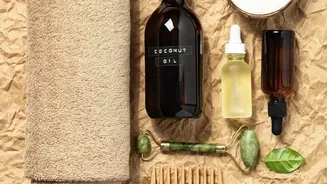
While hair oiling has many benefits, it can be a double-edged sword for those prone to scalp issues. Heavy oils, especially comedogenic ones like coconut oil, can form an occlusive layer on the scalp. This layer can trap sweat, dead skin, and bacteria, effectively plugging the hair follicles and triggering a folliculitis flare-up. The problem isn't necessarily the oil itself, but the 'heavy' application. Leaving a thick layer of oil on for extended periods, especially overnight, gives it more time to clog pores and for residue to transfer to your pillowcase, potentially worsening acne along the hairline and face as well.
Signs You Should Adjust Your Routine
How do you know if your oiling habit is the culprit? Pay attention to your scalp's reaction. If you notice an increase in small, itchy, or painful red bumps a day or two after oiling, it's a strong sign. Other red flags include a persistently greasy scalp even after washing, increased dandruff, or tenderness when you comb your hair. Some people may only experience this with certain types of oil or when they leave it on for too long. If you have an oily scalp to begin with, or existing acne on your forehead, you may be more susceptible to scalp breakouts from oiling.
How to Oil Safely with a Sensitive Scalp
You don't necessarily have to give up oiling completely. Instead, a few smart adjustments can make a world of difference. First, shorten the duration. Instead of an overnight treatment, apply oil for just an hour or two before you wash your hair. This gives your hair benefits without giving the oil time to clog follicles. Second, be mindful of the amount; a little goes a long way. Use just enough to lightly coat the scalp and hair, don't drench it. When you wash, be thorough. Use a gentle but effective shampoo to ensure no residue is left behind. Finally, focus the application on the lengths of your hair, avoiding the scalp if it's particularly inflamed or oily.
Choosing the Right Oil or Alternative
The type of oil you use matters. Thicker, highly comedogenic oils like coconut and mustard oil are more likely to cause issues for acne-prone skin. Consider switching to lighter, non-comedogenic oils like jojoba, argan, or grapeseed oil, which are less likely to block pores. Jojoba oil, in particular, closely mimics the skin's natural sebum and can help balance oil production. If any oil seems to cause irritation, you can explore oil-free alternatives for nourishment. Hair masks containing ingredients like aloe vera gel or milk can provide moisture and nutrients without the risk of clogging pores.