



An Introduction to a Hardy Survivor
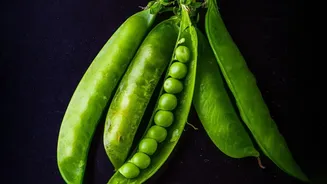
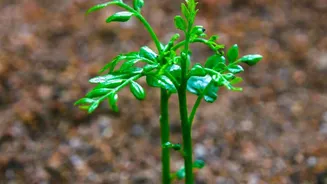
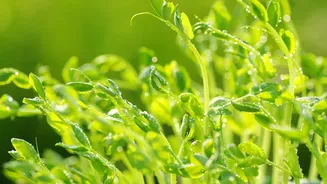
Known scientifically as Lathyrus sativus, and more commonly in India as khesari dal, the grass pea is a legume with an ancient history. For thousands of years, it has been a lifeline crop in arid and semi-arid regions of Asia and Africa. Its defining
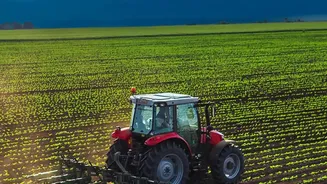
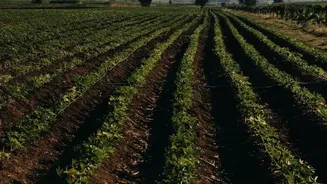
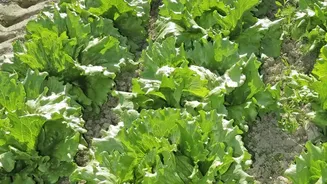
characteristic is its sheer toughness. The grass pea can thrive where other, more popular pulses like chickpeas or lentils fail. It tolerates drought, survives in waterlogged soils, and grows in poor, nutrient-deficient conditions, often without the need for synthetic fertilisers. This resilience is thanks to a deep root system and other clever adaptations that make it an invaluable asset for farmers facing unpredictable weather, which is why it is often called an 'insurance crop'.
A Powerhouse of Plant Protein
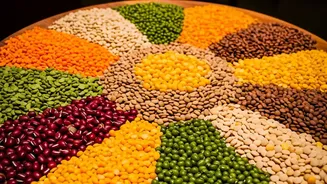
Beyond its agricultural resilience, the grass pea is a nutritional standout, particularly for its high protein content. Depending on the variety, its seeds can contain between 26% to 34% protein, significantly more than chickpeas, which average around 18-20%. This makes it a powerful tool against protein malnutrition. In addition to protein, it is a good source of carbohydrates, fibre, and a range of essential micronutrients and B-complex vitamins. Like many legumes, it is rich in the amino acid lysine but can be low in methionine. However, when included as part of a balanced diet, its nutritional profile makes it an attractive, low-cost option for boosting protein intake, earning it the nickname ‘poor man’s pulse’.
A Complicated and Controversial Past
Despite its benefits, the grass pea has a controversial history tied to a serious health issue. The seeds contain a neurotoxin known as ODAP (β-N-oxalyl-L-α,β-diaminopropionic acid). Excessive consumption of grass pea as a primary food source for extended periods—typically for several months during times of famine when no other food is available—can lead to a debilitating neurological disorder called neurolathyrism. This condition causes irreversible paralysis of the lower limbs. Because of this risk, India banned the sale and storage of khesari dal for human consumption in 1961, although cultivation for animal fodder remained legal. This stigma has long overshadowed the crop's potential.
The Path to Redemption and a Safer Future
The story of the grass pea is now one of scientific redemption. Researchers have long argued that the risk of neurolathyrism is only present under extreme circumstances of a monotonous diet and that, as part of a normal, varied diet, it is harmless. The focus has now shifted to making the crop unequivocally safe. Scientists in India and internationally have been working for years to develop new varieties with very low levels of the ODAP toxin. Through conventional breeding and modern genetic techniques, varieties like 'Ratan', 'Prateek', and 'Mahateora' have been developed, containing toxin levels below 0.1%. Additionally, traditional processing methods like soaking the seeds in water and discarding the water before cooking can significantly reduce toxin levels.
A Future Food for a Changing World
With its high protein content and remarkable ability to withstand climate shocks, the grass pea is poised for a comeback. The debate around its legal status in India is complex, with experts recommending lifting the ban in light of the new, safe varieties. While the outright sale of khesari dal remains prohibited, regulations have been amended to tolerate small amounts found as incidental admixtures in other pulses. As a climate-resilient legume that can improve soil health by fixing nitrogen, it represents a model for sustainable agriculture. Researchers see it not just as a crop for the present, but as a crucial food source for a future where agricultural resilience will be more important than ever.