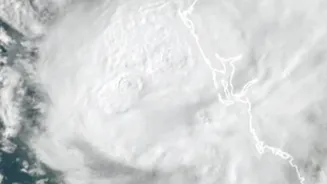







What is Cyclone Akvan?
Cyclone Akvan is a tropical storm that formed from a low-pressure area in the Bay of Bengal. According to the India Meteorological Department (IMD), the system consolidated from a depression on November 16 and has since intensified into a Severe Cyclonic
Storm. The name 'Akvan' was contributed by Iran as part of the regional naming convention for tropical cyclones. As of November 18, the storm was located over the west-central Bay of Bengal and moving slowly north-northwestwards. This slow movement is critical, as it allows the system to spend more time over warm sea waters, which provides the energy needed to gain strength and intensity before it approaches land.
Projected Path and Impact
The IMD is closely tracking Cyclone Akvan's path, with current forecasts indicating a potential landfall on November 20. The storm is expected to cross the coast between Narsapur in Andhra Pradesh and Puri in Odisha. While forecasts initially suggested it could become a 'Very Severe Cyclonic Storm', the latest updates project it will make landfall as a 'Severe Cyclonic Storm'. Expected maximum sustained wind speeds are between 90-100 kmph, with gusts reaching up to 110 kmph. Heavy to extremely heavy rainfall warnings have been issued for coastal districts in Andhra Pradesh and Odisha starting from November 19. States like West Bengal, Tamil Nadu, and Telangana may also experience increased rainfall as a result of the system.
The Post-Monsoon Cyclone Season
The period from October to December marks the second of India's two main cyclone seasons and is often the most active for the Bay of Bengal. After the southwest monsoon retreats, sea surface temperatures remain warm, providing fertile ground for the formation and intensification of cyclonic storms. Historically, this season has produced some of the most devastating cyclones to hit India's east coast. Andhra Pradesh, in particular, has seen the highest number of post-monsoon cyclone landfalls among all Indian coastal states between 1982 and 2022. These storms are a significant source of rainfall for the Coromandel Coast but also pose a severe threat to the densely populated delta regions.
Preparedness Measures in Place
In response to the threat from Cyclone Akvan, authorities in the coastal states have activated their disaster management protocols. The National Disaster Response Force (NDRF) and State Disaster Response Force (SDRF) teams have been put on standby for emergency relief and rescue operations. In Andhra Pradesh, 13 NDRF and 11 SDRF teams are ready for deployment. The Odisha government has also prepared rescue teams and has begun planning for the evacuation of people from vulnerable, low-lying areas. As a precautionary measure, schools in several districts of Odisha have been ordered closed from November 19 to 21. Fishermen have been repeatedly warned to return to the coast and not venture into the sea.
How to Stay Safe
For residents in the potentially affected coastal areas, staying informed and prepared is crucial. It is essential to monitor official updates and warnings from the IMD and local authorities, rather than relying on rumors. People in low-lying areas should be ready to move to designated cyclone shelters if instructed by officials. Preparing an emergency kit with essentials like non-perishable food, water, batteries, a first-aid kit, and important documents is highly recommended. Ahead of the storm's arrival, secure loose objects outside your home, such as furniture and signboards, that could become projectiles in high winds. During the storm, stay indoors and away from windows. Andhra Pradesh officials have activated emergency helpline numbers, including 112 and 1070, for public assistance.