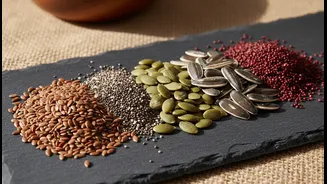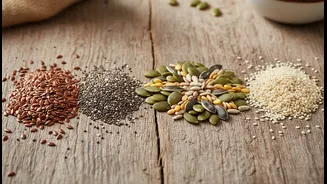






Flax Seeds: The Omega-3 Powerhouse
Flax seeds, or 'alsi', are a fantastic addition to your monsoon diet. They are one of the richest plant-based sources of alpha-linolenic acid (ALA), a vital omega-3 fatty acid. Omega-3s are known for their anti-inflammatory properties, which are crucial
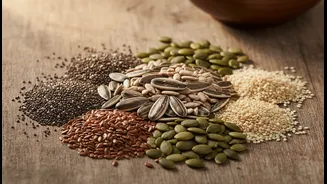
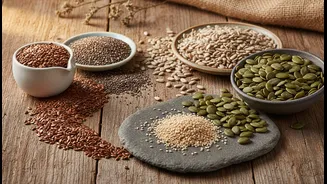
for supporting a strong immune response during a season known for coughs and colds. Furthermore, flax seeds are packed with both soluble and insoluble fibre. This helps promote good gut health, which is directly linked to a robust immune system. The fibre content also aids in maintaining regular digestion, which can sometimes become sluggish in humid weather. To incorporate them, simply roast and grind the seeds. Sprinkle a spoonful over your dal, yoghurt, or oatmeal. You can also mix the powder into the dough for rotis and parathas for a seamless nutritional upgrade.
Chia Seeds: For Hydration and Energy
Often hailed as a superfood, chia seeds are particularly useful during the monsoon. These tiny seeds can absorb up to 12 times their weight in water, which can help you stay hydrated. When soaked, they form a gel-like substance that is easy to digest. Starting your day with a glass of warm water infused with soaked chia seeds can help cleanse your digestive system and boost metabolism. They are also an excellent source of fibre, protein, and antioxidants. For a simple and filling monsoon breakfast, add soaked chia seeds to a bowl of oats with seasonal fruits. You can also blend them into smoothies or simply sprinkle them over salads for an added crunch and a dose of essential nutrients that keep your energy levels steady on gloomy, rainy days.
Pumpkin Seeds: Your Immunity Guardians
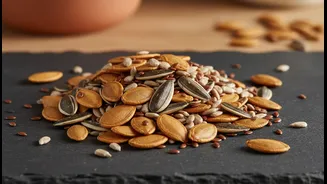
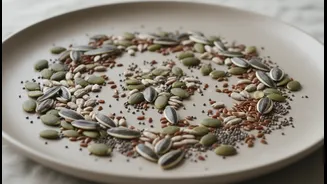
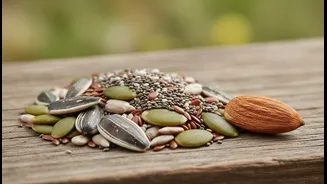
Don't discard the seeds from your pumpkin! Known as 'pepitas', these flat, green seeds are nutritional powerhouses perfect for the rainy season. They are an excellent source of zinc, a mineral that is vital for maintaining and developing immune cells to help your body fight off viruses. Along with zinc, they provide a good amount of magnesium, healthy fats, and antioxidants that protect your cells from damage and reduce inflammation. Their crunchy texture makes them a satisfying and healthy alternative to fried snacks on a rainy afternoon. Enjoy them roasted with a pinch of salt, add them to your trail mix, or sprinkle them over soups and salads for a delicious and immunity-boosting crunch.
Sunflower Seeds: The Vitamin E Boost
Bright and cheerful like the flower they come from, sunflower seeds are packed with nutrients that support your well-being during the monsoon. They are exceptionally rich in Vitamin E, a powerful antioxidant that helps reduce inflammation and supports heart health. These seeds are also a good source of selenium, another crucial mineral that enhances immune function and helps the body fight infections. The combination of protein, healthy fats, and B vitamins in sunflower seeds provides a sustained energy boost, helping to combat the fatigue that can accompany damp weather. Enjoy a handful as a snack, or add them to your granola, upma, or vegetable stir-fries for added texture and nutrition.
Sesame Seeds: The Warming Wonder
Sesame seeds, or 'til', have been a staple in Indian kitchens and Ayurvedic medicine for centuries. According to Ayurveda, they have a warming effect on the body, making them ideal for consumption during the cool, damp monsoon months. Black sesame seeds, in particular, are considered highly nutritive. They are an incredible source of calcium for bone health, as well as iron, magnesium, and healthy fats. Their rich nutrient profile helps build strength and stamina. You can easily add sesame seeds into your diet by making til ladoos, adding them to chutneys, or using them as a tempering (tadka) for dals and sabzis. Roasting them lightly enhances their nutty flavour and makes them a great topping for salads and snacks.