


Loktak Lake, Manipur: Gliding Through Floating Islands
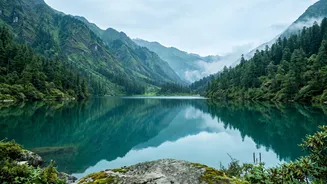
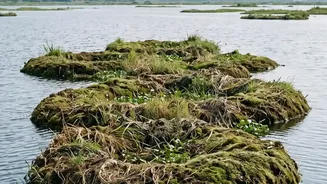
Loktak Lake, the largest freshwater lake in Northeast India, is famous for its 'phumdis'—heterogeneous masses of vegetation, soil, and organic matter at various stages of decomposition that float on its surface. Navigating this unique ecosystem is an experience
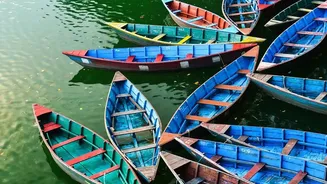
in itself. Boating here is primarily done on long, narrow motorised boats that ferry visitors through the labyrinthine channels separating these floating islands. Local fishermen also use traditional, single-paddle wooden boats for their daily catch, offering a glimpse into a life deeply intertwined with the lake. A boat ride allows you to visit the floating villages and the world’s only floating national park, Keibul Lamjao, home to the endangered Sangai deer. The Takmu Water Sports Complex organises boating activities, making it accessible for tourists seeking to explore this natural wonder. These boat trips offer a serene way to appreciate the vastness of the lake and its remarkable biodiversity.
Umiam Lake, Meghalaya: A Hub of Water Activities
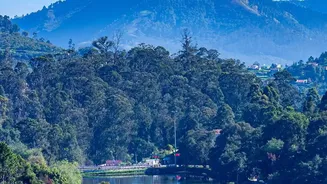
Often the first stunning vista that greets visitors entering Meghalaya from Assam, Umiam Lake (also known as Barapani) is a vast man-made reservoir cradled by the rolling Khasi Hills. Unlike the more rustic boating experiences elsewhere, Umiam is a well-developed hub for water sports. The state-run water sports complex offers a wide array of boating options, from leisurely paddle boats and rowboats to thrilling speed boats and water scooters. This makes it an ideal destination for families and adventure enthusiasts. While the boats themselves are modern rather than traditional, the experience of being out on the expansive blue waters, surrounded by verdant pine forests, is deeply refreshing. The lake was created in the early 1960s by damming the Umiam River for a hydroelectric project, and today it serves as one of Shillong’s most popular recreational spots. Boating is available throughout the day, providing a perfect way to relax and soak in the magnificent scenery.
Umngot River, Meghalaya: The Illusion of Floating on Air
While technically a river, the Umngot in Dawki is an unmissable part of any boating exploration in the Northeast. It is renowned for its crystal-clear, emerald waters, which are so transparent during the winter months that boats appear to be floating in mid-air. This surreal optical illusion has made Dawki a world-famous destination. The boating experience here is intimate and traditional, conducted on long wooden canoes expertly paddled by local boatmen. As you glide silently over the riverbed, you can clearly see the colourful pebbles and fish below. The journey takes you along a stretch of the river that forms a natural border with Bangladesh, adding a unique geographical dimension to the trip. For the clearest water and the magical 'floating boat' effect, the best time to visit is from November to April, as monsoon rains can make the river muddy and unsafe for boating.
Tsomgo Lake, Sikkim: Boating in the High Himalayas
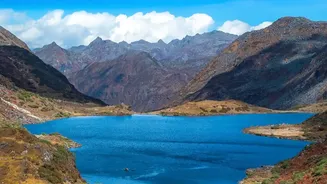
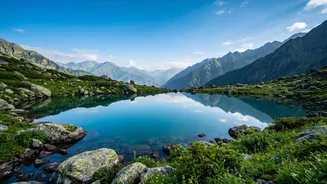
Situated at a breathtaking altitude of over 12,300 feet, Tsomgo Lake (or Changu Lake) is a glacial wonder surrounded by snow-capped peaks. The experience here is subject to permits and weather conditions. Because it is a protected area, all visitors—both Indian and foreign nationals—require a Protected Area Permit, which is typically arranged by registered tour operators. Foreign nationals must travel in a group of at least two. When conditions allow, you can enjoy a ride on colourfully decorated yaks along the banks or take a short trip on a paddle or row boat across the icy, serene waters. The boating here is less about the vessel and more about the awe-inspiring alpine environment. The lake remains frozen during the winter, but in the spring and autumn, its tranquil surface reflects the dramatic mountain scenery, creating a postcard-perfect setting.