

Why Paw Cleaning is a Health Essential
A quick wipe or rinse does more than just stop mud from being tracked across your floors. Your dog's paw pads come into contact with a cocktail of substances on every walk, including allergens, pesticides, road salts, bacteria, and other chemicals. When
dogs groom themselves by licking their paws, they ingest these potentially harmful substances, which can lead to skin infections, allergic reactions, or digestive issues. Regularly cleaning their paws after every walk minimizes these risks and prevents the spread of contaminants in your home. It's a simple habit that acts as a first line of defense for your pet's well-being and keeps your living space healthier for everyone.
The Basic Rinse: Your Go-To Method
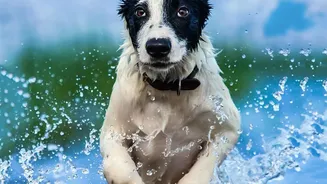
For daily clean-ups after a typical walk, a simple water rinse is often all you need. The key is to use lukewarm water. Water that is too hot can burn their sensitive paw pads, while water that is too cold can be uncomfortable and make your dog resistant to future cleanings. You can use a shallow basin, a portable paw plunger, or even a handheld sprayer in a tub or sink. Gently dip each paw, using your fingers to work away surface-level dirt from the pads and between the toes. This basic rinse is effective for removing light mud and common allergens picked up on the sidewalk or in the park.
When a Deeper Clean is Necessary
After a particularly muddy adventure or a walk through areas treated with salt or chemicals, a more thorough wash is required. For this, you'll want to use a small amount of mild, dog-specific shampoo. Human shampoos, dish soaps, and other cleaners can disrupt the natural pH of a dog's skin, leading to irritation or dryness. Lather a small amount of the dog shampoo on each paw, gently massaging it into the pads and deep between the toes where mud and debris love to hide. The most critical part of this step is to rinse thoroughly to ensure no soap residue is left behind, as this can cause discomfort.
The Critical Step: Always Dry Thoroughly
Whether you've done a quick rinse or a full wash, never skip drying. Moisture trapped between the paw pads creates a warm, dark environment that is a perfect breeding ground for yeast and bacteria. This can lead to fungal infections, which often present as redness, irritation, excessive licking, and sometimes a distinct "Frito" or corn chip smell. Use a clean, absorbent towel to pat each paw dry. Pay special attention to getting the towel in between each toe to wick away all lingering dampness. Making this part of your routine is essential for preventing painful skin issues.
Turn Cleaning into a Daily Health Check
Use your daily paw cleaning time as an opportunity to perform a quick inspection. Gently spread your dog's toes and look for any foreign objects like thorns, burrs, or small pieces of glass. Check the pads for cuts, cracks, blisters, or signs of excessive wear. Also, be on the lookout for redness, swelling, or any tenderness that causes your dog to pull away. Catching these small issues early can prevent them from developing into more serious problems like infections or painful injuries that might require a visit to the vet. If you notice persistent limping or a wound that seems deep or infected, it's always best to seek professional veterinary advice.
Making Paw Cleaning a Positive Routine
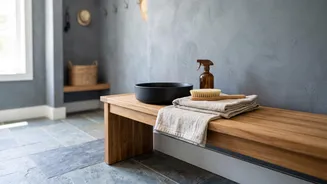
Some dogs are sensitive about having their paws handled. To make the process stress-free, it helps to build a positive association from the start. Set up a dedicated cleaning station by your entrance with a towel, your cleaning supplies, and some high-value treats. Keep the sessions short and positive, rewarding your dog with praise and a treat for their cooperation. If your dog is particularly resistant, start slowly by just touching their paw and rewarding them, gradually building up to a full wipe or rinse. Over time, they will learn to see paw cleaning not as a struggle, but as a calm, predictable part of their post-walk routine.