




The Nutritional Powerhouse on a Plate
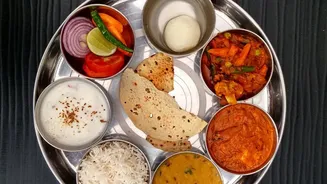
The combination of dal and rice is more than just comfort food; it's a lesson in nutritional synergy. Together, they form a complete protein, providing all the essential amino acids the body needs. Rice is often low in the amino acid lysine, which dal has
in abundance. Conversely, dal can be low in methionine and cysteine, which rice provides. This pairing is crucial in vegetarian diets, mimicking the protein quality of animal products. Add a side of seasonal vegetables, and you have a balanced meal brimming with vitamins, minerals, and fibre. This trio provides sustained energy, aids in muscle repair, and supports digestive health, making it a cornerstone of a healthy diet.
Making Smart Choices with Dal and Rice
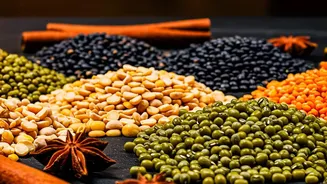
While dal and rice are inherently economical, a few smart strategies can stretch your budget even further. Consider buying these staples in bulk. Larger packets of rice and dal often have a lower per-kilogram cost than smaller, pre-packaged versions. Explore different varieties of dal; for instance, chana dal and masoor dal are often priced lower than toor or urad dal. Storing them in airtight containers in a cool, dark place ensures they last long, preventing waste. When it comes to rice, opting for local varieties over premium or specialty grains can also lead to significant savings. While prices for these staples have seen recent increases due to factors like festive demand and monsoon performance, they remain foundational to budget cooking.
The Secret Weapon: Seasonal Vegetables
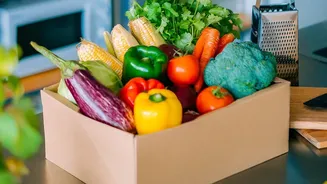
Embracing seasonal vegetables, or 'sabzi', is perhaps the most impactful way to control your grocery spending. When produce is in season, it is abundantly available, which naturally drives down its price. These vegetables are also at their peak in terms of flavour and nutritional value. For the autumn and early winter months around October, markets are typically filled with vegetables like cauliflower, carrots, spinach, radish, sweet potato, and pumpkin. Instead of reaching for expensive, out-of-season options, planning your meals around these seasonal picks can reduce your grocery bill substantially. A simple sabzi made with fresh, local produce is not only cheaper but also healthier.
Planning and Preparation Are Key
A little planning goes a long way in making your budget work. Before heading to the shop, plan your meals for the week. This helps create a precise shopping list, preventing impulse buys that inflate your bill. Designate a few days a week for dal-rice-sabzi meals. Cooking a larger batch of dal can serve you for two or three meals, saving both time and cooking fuel. Leftover sabzi can be repurposed into a filling for parathas or sandwiches the next day. This approach, known as meal prep, minimizes food waste and ensures you always have a healthy, home-cooked meal ready to go, reducing the temptation to order expensive takeout.
Flavour Without the Financial Strain
Budget-friendly eating does not have to be bland. The Indian kitchen is renowned for its ability to create incredible flavour from simple ingredients. A basic 'tadka' of cumin seeds, mustard seeds, turmeric, and asafoetida (hing) in a little oil can transform a simple dal. Freshly ground spices are often more potent and economical in the long run than pre-mixed masalas. Making your own accompaniments like a simple coriander chutney or a quick pickle can elevate the entire meal at a minimal cost. These small touches add immense flavour and variety, ensuring that your economical meals are also incredibly satisfying and delicious.